23,000 flee violence in northeast India, army says

Some 23,000 people have fled ethnic violence in northeast India that has reportedly killed at least 54 people, the army said on Sunday, although there was no new “major violence” overnight.
The unrest in Manipur state erupted after a protest march by a tribal group last week sparked clashes, with vehicles and houses set on fire and authorities firing tear gas.
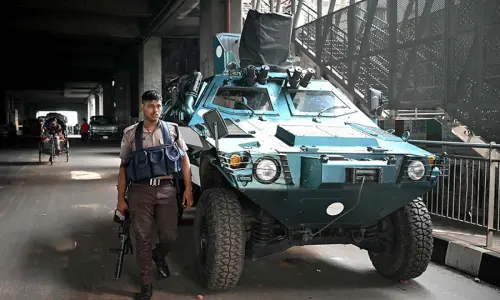
The military has deployed thousands of troops to the state bordering Myanmar, issued “shoot-at-sight” orders in “extreme cases”, imposed curfews and cut the internet.
The army said on Sunday no major flare-ups were reported overnight and that a curfew was lifted between 7-10 am in Churachandpur district, one of the main flashpoint areas.
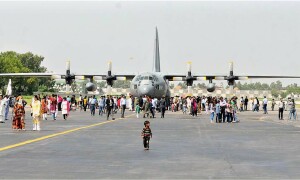
“Past 24 hours also witnessed army significantly enhancing surveillance efforts through aerial surveillance, movement of UAVs and redeployment of army helicopters within Imphal Valley,” it said, referring to unmanned aerial vehicles or drones.
“Total 23000 civilians have been rescued till now and were moved to own operating bases/military garrisons,” the statement said.
Authorities have not given an official death toll but hospital morgues in the state capital Imphal and Churachandpur had reported a combined total of 54 dead, according to local media.
Tribal groups are unhappy about the prospect of the state’s majority Meitei community being recognised under a “Scheduled Tribe” category.
This designation would give them a certain quota of government jobs and college admissions in a form of affirmative action aimed at addressing structural inequality and discrimination.
India’s northeast has seen decades of unrest among ethnic and separatist groups seeking more autonomy or even secession from India, with at least 50,000 people killed in Manipur since the 1950s.
These conflicts have waned over the years, with many groups striking deals with New Delhi for more powers.