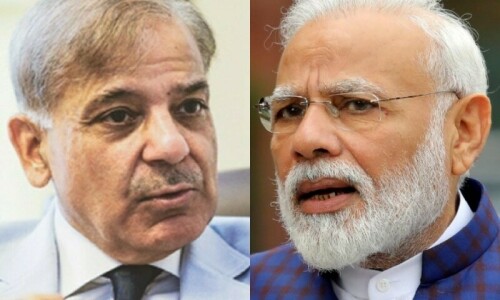
ONE key suggestion to resolve the bitter, decades-old Pakistan-India dispute is for both states to foster deep, enduring economic ties. While this might seem like an unlikely option at the moment, considering the currently frigid bilateral ties, there are signs that better relations can be achieved if trade ties, snapped after India did away with held Kashmir’s autonomous status in 2019, are restored.
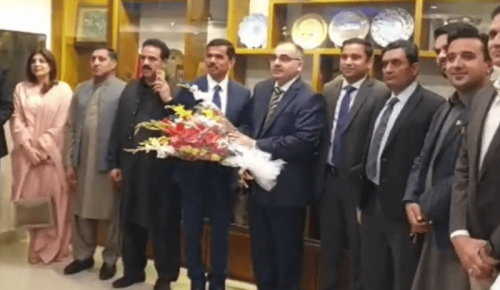
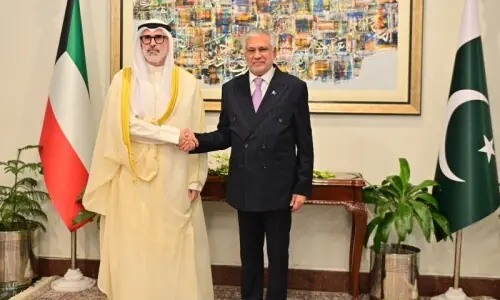
Indian Deputy High Commissioner Suresh Kumar discussed this possibility on Friday while speaking at an event at the Lahore Chamber of Commerce and Industry.
Mr Kumar said India wants “better relations with Pakistan because we cannot change our geography”, and called for normalising trade ties. He added that India was interested in tapping Central Asian markets, which Pakistan could facilitate through transit trade.
It is significant that the Lahore Chamber invited an Indian official to its function, and that New Delhi’s representative spoke of improving ties. This is a welcome departure from the toxic rhetoric that has been witnessed over the past few years, especially since the events of 2019 in occupied Kashmir.
This paper has frequently argued in these columns that better trade ties can lead to a more congenial atmosphere in the subcontinent. Trading with India and other states in our neighbourhood, indeed the wider Asian region, makes geo-economic sense, and is in Pakistan’s interest.
The economies of Pakistan’s principal Western trading partners — the US and EU — appear to be slowing; therefore, it is imperative that the currently lukewarm ties with regional trading partners be improved.
Several past attempts have been made to establish robust trade ties with India, but these have fallen victim to other factors, usually resulting in the military establishment nixing plans to improve trade relations with our eastern neighbour.
Yet even former army chief Gen Qamar Bajwa on numerous occasions talked of the need to improve ties with India. It remains to be seen whether the current army leadership agrees with this part of the Bajwa doctrine, or has other ideas where India is concerned.
Indeed, the BJP government’s anti-Pakistan outbursts have not helped matters. But better ties, helped by improved economic relations, can create a more conducive atmosphere to resolve the more complex bilateral disputes.
Pakistan needs to internally discuss all contours of its India policy thoroughly. These discussions should involve all stakeholders — the civilian leadership (including the opposition), the establishment, trade bodies — and a unified policy should be pursued, without resorting to embarrassing U-turns later in the day.
However, implementing a new trade policy will only be practical after a new government takes charge in Pakistan and next year’s elections in India bring a new administration to New Delhi. In the meantime, both states can start the spadework by restoring their respective diplomatic missions to full strength, and easing visa restrictions.
Published in Dawn, March 20th, 2023