11
11

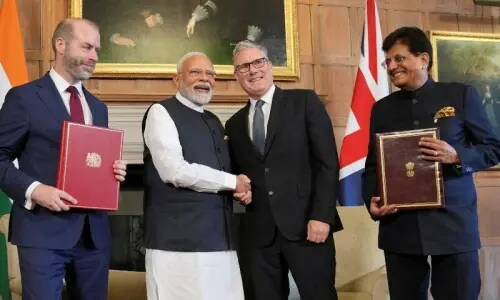
THE proposal that foreign intermediaries can help bridge the trust gap in South Asia is not new, and in the absence of any substantial bilateral contacts such intervention can indeed prove helpful — if both parties (Pakistan and India) are willing to accept it. In this context, Prime Minister Shehbaz Sharif made the suggestion that the UAE can use its good offices to help enable a Pakistan-India dialogue on Kashmir while talking to Saudi outlet Al Arabiya. However, on Tuesday, the PM appeared to take a U-turn when the PMO clarified that talks with India can only take place after New Delhi reverses its illegal action of August 2019 with reference to held Kashmir. Perhaps the clarification came after powerful quarters in Pakistan gave the premier their feedback on his suggestion. The U-turn notwithstanding, in his media interaction, Mr Sharif had made the offer to his Indian counterpart to “sit down at the table and have serious … talks to resolve … Kashmir”, observing that while abuses were taking place in the occupied territory, only engagement could help bring peace to the region.
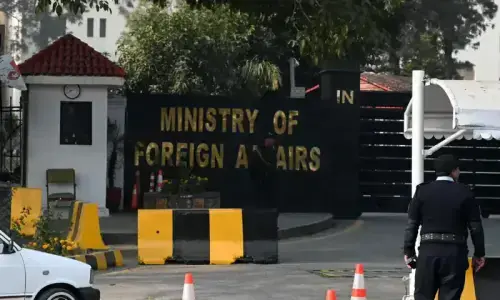
Where foreign facilitation in talks is concerned, while Pakistan has always been game, India has put up a rigid front, rejecting international involvement in its ‘internal’ matters, even though Kashmir remains a disputed territory. The reality is that despite this situation, both sides do listen to powerful common friends behind the scenes, and if these friends seriously offer their good offices, they should be taken up by both, even if it only leads to bilateral talks about talks. However, if efforts — bilateral or assisted by others — are to succeed, both capitals will need to show flexibility and be willing to ease their respective positions. Regarding Pakistan, there should be no confusion in the messaging, as there was with the PMO walking back on the PM’s comments. It is equally important for the effort to be led by the elected leadership, with the establishment endorsing the government’s decision. One immediate action that can be taken is the restoration of the high commissioners in both capitals. Since the August 2019 crisis, lower-level staff has been handling matters in the respective missions. Moreover, the resumption of confidence-building measures, such as easing visa restrictions, resuming cultural and sporting exchanges, etc, can hopefully lead to more substantive discussions and reduce the toxic narrative.
Published in Dawn, January 18th, 2023