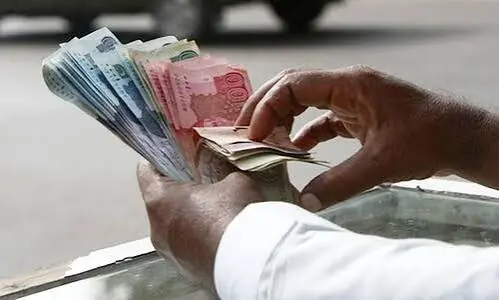
THE prices of goods and services we use daily have surged at breakneck speed since June. The CPI has cumulatively swelled by more than 13pc in the last three months as energy subsidies are revoked, and taxes and levies imposed on fuels.
Financial analysts argue that an increase of this scale in the inflation index is usually seen in a period spanning 12 to 18 months. No wonder inflation in August spiked to the almost 50-year high of 27.3pc, the third fastest increase in the prices of consumer goods and services since April 1975, and the fifth since October 1973.
The new prices don’t even capture fully the impact on food or non-food inflation resulting from the floods that have ravaged the country, damaged the communication infrastructure, and swept away ready food and crops.
The inflation numbers show that transport became pricier by 63pc, food by 31pc, housing and utilities by 27.6pc, clothing and footwear by 17.6pc, education by 10pc and health by 11.8pc last month amidst projections that, once slotted in, the impact of the deluge will drive up the cost of living even further over the next several months.
Editorial: Food inflation
The impact of this year’s catastrophic floods on the people and the economy will become clearer over the next few weeks. The IMF has projected the average inflation for the present fiscal at 19.9pc and the State Bank in the region of 18pc and 20pc, which they might have to revise upwards to 22pc to 24pc once the economic impact of the devastation is fully factored into their fresh assessments.
Thus, price inflation, especially food inflation, should be the key concern of the government, considering that no data — no matter how accurate it is — can truly capture the misery of the people.
In the last few years, the middle-class segment has seen runaway inflation wear down its already stretched savings, destabilise its household budgets, and hugely erode its purchasing power. The people deserve some relief and protection from the rapidly surging cost of living.
With the IMF programme back on track, it is time for Finance Minister Miftah Ismail to focus on reducing inflation in the country. No one is saying that it will be an easy job considering the damage done by the rains and floods, as well as the uncertain global economic environment. But in the long term, he will be remembered by the people for his performance on this front, and not for reviving the IMF deal.
Published in Dawn, September 3rd, 2022