China announces Afghan trade and investment plans after quake



China's ambassador announced trade and investment plans for Afghanistan on Tuesday, a public endorsement for doing business in the Taliban-controlled country after an earthquake drew attention to the humanitarian consequences of Western sanctions.
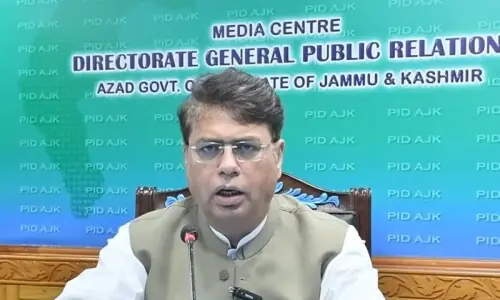
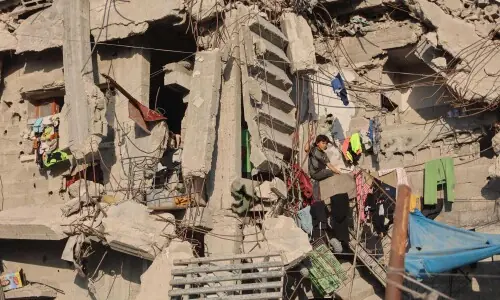
At a rare press conference alongside the Taliban administration's acting minister for disaster management, Ambassador Wang Yu announced $8 million in aid for relief from the June 22 earthquake that killed more than 1,000 people.
"Besides emergency humanitarian aid, after the political changes last year and after the earthquake, we also have long-term economic reconstruction plans," he said. "The priority would be trade, followed by investment, as well as agriculture."
No country has formally recognised the Taliban, who seized power last year after the United States and its allies abruptly withdrew troops following 20 years of war.
Western countries say the sanctions, which include freezing billions of dollars in Afghan reserves, can be lifted only if the group meets conditions such as lifting restrictions on participation in public life for women and girls. Some aid agencies complained that sanctions curtailed their ability to assist after last month's earthquake.
China, which shares a remote border with Afghanistan and derives influence among its neighbours from its huge "Belt and Road" investment initiative, has consistently called for sanctions to be lifted.
The ambassador said negotiations were going on for two major mining projects, including Mes Aynak, a copper mine in southern Afghanistan that a Chinese state-owned company has rights to under an arrangement brokered with the previous Afghan government. Afghanistan's largely untapped mineral reserves include large deposits of iron ore and copper.
Taliban administration officials, including the group's supreme leader in a speech at a gathering last week, have said the country needs to become less dependent on aid and encourage business.
Speaking of Afghan reserves frozen in Western banks, Wang said: "China always thinks that money belongs to the Afghan people ... China has always called on the international community... for the release of the funds."