0
0

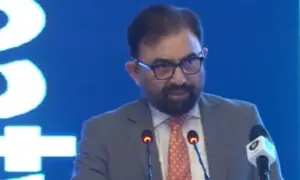
MQM-P CONVENER Khalid Maqbool Siddiqui’s mealy-mouthed ‘apology’ over the MQM’s role in precipitating the May 12, 2007, riots in Karachi is cold comfort for those whose lives were forever scarred by that terrible tragedy. As Mr Siddiqui referred to the horrors unleashed upon unsuspecting citizens that fateful day, he failed to show any real remorse. Instead, he attempted to whitewash the party’s actions as a ‘misjudgment’. Rather than accepting the MQM’s culpability, he shifted the blame on nameless individuals for having ‘used’ the party. This is hardly out of character. The MQM (and its later iterations) have been quite creative in dodging accountability for their misdeeds, often by painting themselves as victims. Incidentally, this is exactly what Mr Siddiqui proceeded to do at the same event, defending his party as “a product of marginalisation and violence”.
The fact of the matter is that the MQM has much more than just May 12, 2007, to apologise for. MQM leaders were once exemplary for their willingness to be ‘used’ by their leader for whatever ends he needed them. Hit squads and criminal enterprises operated by party members terrorised the city, often with the explicit blessings of party supremo Altaf Hussain. Thousands were killed, maimed or tortured, often for no conceivable reason, after the party put down roots in Karachi. The party quite consistently also seemed to find ways to be ‘used’ by successive regimes — military or otherwise. It almost never found itself too far from the perks, privileges and attendant luxuries of power. It wasn’t until 2016, when the state finally had enough, that the MQM’s local leadership was forced, against its will, to part ways from its London command. To say this is perhaps a little cynical, but moments of clarity such as the one the MQM-P convener seems to have had are usually just poorly disguised attempts at grabbing the spotlight because political expediency so demands. If the MQM-P is genuinely remorseful, it owes the people of Karachi a lot more than hollow words.
Published in Dawn, March 6th, 2022