LAHORE: Renewable energy experts and civil society activists have unanimously asked the International Monetary Fund (IMF) to play a responsible role in developing socially just and environmental friendly financing solutions in developing countries.
Speaking at a virtual seminar organised by the Alliance for Climate Justice and Clean Energy (ACJCE) on Tuesday, they also urged the government to revoke imposition of general sales and additional taxes on solar panels and electric vehicles in a bid to promote renewable energy.
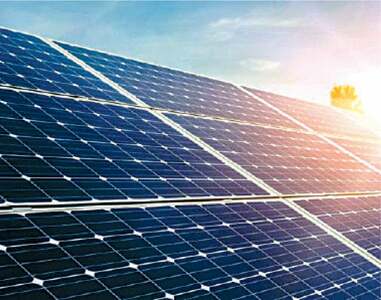
“The tax reforms introduced through the Finance (Supplementary) Bill 2021—the mini-budget by withdrawing Rs343bn tax exemptions as demanded by the IMF for resumption of $6bn loan programme—under which the government has now withdrawn exemptions on the renewable technologies, instituting a 20pc tax on the imports of solar panels (17pc GST and 3pc additional tax) and wind turbines as well as 12pc increase in sales tax for imported electric vehicles,” said Mr Zain Moulvi, Associate at Alternative Law Collective.
He said the government’s alternative and renewable energy policy prescribes a minimum of 30pc renewable based generation on-grid by 2030 and its goal is to reduce emissions and costs by displacing fuel sources, integrate cheap renewable into off-grid solutions private contracts and rural energy services. “But new tax regime has raised upfront capital costs, raising overall generation costs and as a result the users wouldn’t opt it out.
“The only way forward is that the IMF board must ensure that the taxes on solar, wind and electric vehicles are withdrawn with immediate effect since a huge number of poor population, especially in rural areas have switched to cheaper solar energy,” he demanded.
Speaking on the occasion, Pakistan Solar Association’s executive member Waqas Musa was of the view that the IMF programme amid taxation on the cheap energy solutions like solar, wind etc doesn’t make sense. “Everyone knows that a solar system efficiently works for almost 20 years. And if you make it out of the energy market by imposing taxes for earning just Rs20 billion or so, you will be increasing your oil import bill to hundreds of billions,” he argued.
Published in Dawn, February 2nd, 2022