Intra-Afghan peace talks set to begin in Doha



ISLAMABAD: Peace talks between warring Afghan factions are finally set to begin in Doha after protracted delays over prisoners’ exchange as a Taliban delegation has returned to the Qatari capital and Afghan government negotiators are scheduled to reach there on Sunday (today).
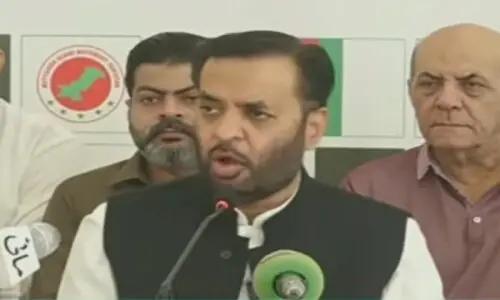
“The government negotiating team is fully ready to depart (for Doha) by tomorrow. They were waiting for the Taliban delegation to return,” Afghanistan Minister of Economy Dr Mustafa Mastoor said.
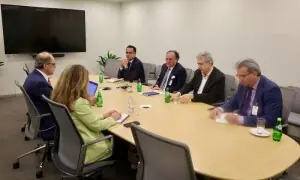
He was speaking at a webinar titled ‘Moving Past Quagmire: Power-Share and Governance Futures in Afghanistan’ hosted by the Jinnah Institute, an Islamabad-based think tank.
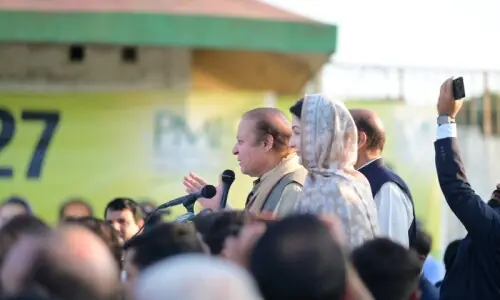
Earlier on Saturday, the members of Taliban delegation returned to Doha after a visit to Pakistan, spokesman for Taliban Political Office Suhail Shaheen confirmed to media.
Members of Taliban delegation return to Qatari capital after visit to Pakistan
The talks were originally scheduled to begin on March 10 as a sequel to the agreement signed between the United States and the Taliban in Doha in February. However, delays in the release of prisoners hindered the start of the talks. The release of last batch of nearly 400 Taliban prisoners in exchange for government commandoes earlier this week has paved the way for the talks to finally get under way.
There has been lot of speculation about what would be discussed at the inaugural session. There is reportedly no firm agenda for the meeting.
The Afghan minister said it would be a kind of “ice-breaking” session that might not have a long agenda. He said the government side would first like to take up the easier issues like the “framework for negotiations” and how the process would proceed.
The government team would not be taking up the “red line issues” first, he maintained.
Mr Mastoor said there was, however, an expectation about a “comprehensive ceasefire”. He reiterated Kabul’s reservations about the Taliban’s ability to ensure compliance by their local commanders with any agreement on a ceasefire.
Confidence building measures, Mr Mastoor said, were also expected to be discussed by both sides.
Omar Samad, a former Afghan diplomat and a fellow at the Atlantic Council, said it was the beginning of a new chapter in the Afghan conflict that had lot of unknowns. “We have reached the endgame, but it’s not known how difficult and how long will it be,” he maintained.
He believed that the inaugural session would have lot of “formalities and photo-ops”.
Mr Samad said US interest in the talks was to show that the process was moving forward, Kabul was eager to project itself as a protector of the progress made by the country, while Taliban would enter the process with an upper hand in terms of controlling the territory and an agreement with the US in hand.
Stefano Pontecorvo, Nato senior civilian representative to Afghanistan, urged both sides to make compromises for the process to succeed. He emphasised on reduction in violence for earning popular support for the process.
He also noted the progress made by Afghanistan on human and civil rights and called for respecting it. “No one wants it being reversed,” he said.
Afghan expert Rahimullah Yusufzai said he believed the Taliban might not immediately agree to a ceasefire. That, he said, might come at a later stage and in a phased manner.
Jinnah Institute president Senator Sherry Rehman underscored the need for Afghans agreeing on an inclusive and democratic peace.
Published in Dawn, September 6th, 2020