0
0

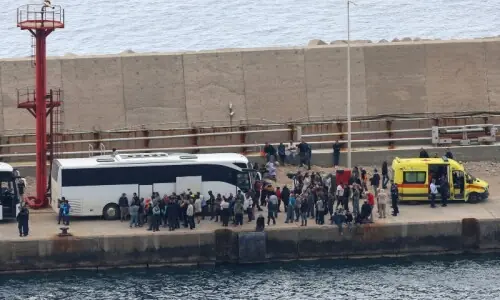
MIANWALI: The coronavirus pandemic and subsequent lockdown across the country have adversely affected daily wagers at the Afghan refugee camp in Kot Chandna.
The number of refugees at the camp was 180,000 in 1982-83 after which they started moving out to other parts of the district and the country to earn a livelihood.
As per the most recent National Database and Registration Authority records, the number of registered Afghan refugees in Mianwali district was approximately 28,000 and 12,984 at Kot Chandna.
The current generation of the refugees was even born at the camp during or after the Afghan war. These refugees were funded by the United Nations High Commissioner for Refugees (UNHCR) for food, health and education facilities besides free water and electricity supply.
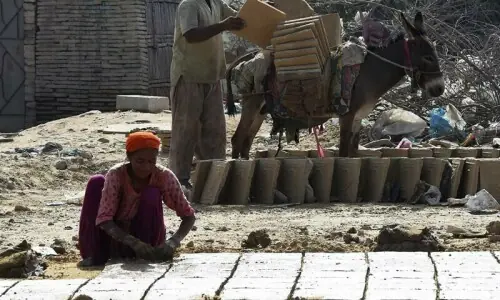
As soon as the repatriation process started, the number of these refugees decreased and UNHCR curtailed its support to only health and education. The refugees were left with no choice but to take up daily-wage or other petty jobs to make both ends meet.
With no income in lockdown, refugees want inclusion in Ehsaas programme
However, the current pandemic and the subsequent countrywide lockdown have left them with no sources of income. The refugees tried to seek help through the Ehsaas programme, but to no avail.
Bilal Sodai narrated his tale to Dawn and sought urgent help for over 50 physically challenged Afghans, including himself, and other helpless daily wagers at the camp. He said he had sought help from all the high-ups concerned, including UNHCR, but got nothing except lip service in return. He further said the camp fell within the prime minister’s constituency and they were waiting for some assistant from him.
Dr Rafaqat Khan, in charge of the medical facility at the camp for 33 years, told Dawn that he was conducting a survey to determine the number of physically challenged refugees here and send a report to the high-ups to seek financial assistance for them in the current situation.
Earlier, the UNHCR was providing various facilities to the refugees but as their number at the camp decreased, the organisation restricted the funding to only health and education, and the refugees had to pay for water and electricity.
Mushahida Gul, the focal person at UNHCR Islamabad, told Dawn that they were well aware of the situation and conducting a survey to help the physically challenged and other jobless refugees. She said the refugees requiring help from the UNHCR could contact her.
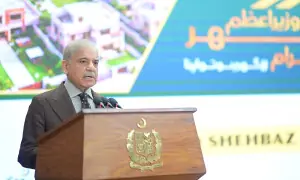
Locals have urged the PM to take notice of the alarming situation and include the refugees in the Ehsaas cash relief programme.
Published in Dawn, May 9th, 2020