Doctor arrested in occupied Kashmir for appealing to Indian govt to restore telephone, internet services
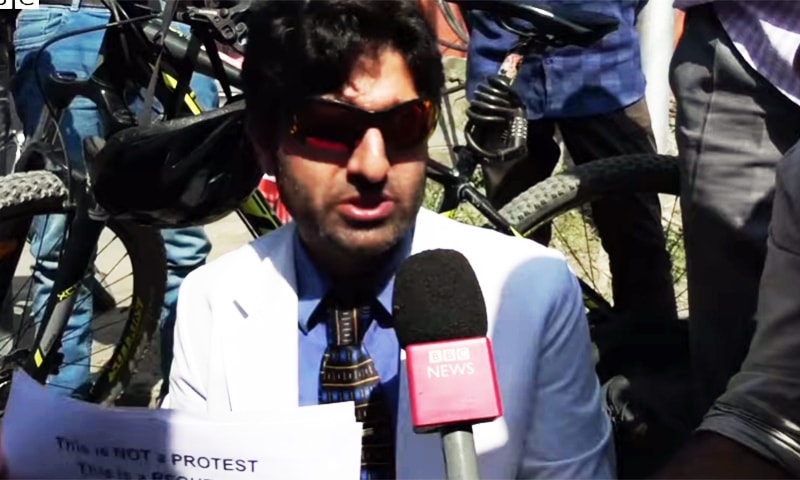


Indian authorities arrested a doctor in occupied Kashmir for appealing the Indian government to restore telephone and internet facilities for all hospitals and medical establishments in the region, BBC reported on Monday.
"This is not a protest, this is a request. Please restore landline and internet connectivity for all hospitals and medical establishments in [occupied] Jammu and Kashmir," read the placard being carried by Dr Umar.
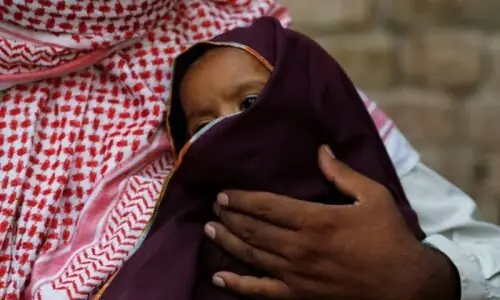
Before his arrest, the doctor talked to the BBC and warned that the prevailing situation in occupied Kashmir might cause a humanitarian crisis.
He said, "We are [otherwise] able to provide free-of-cost treatment to patients below the poverty line in government and private hospitals under the [Indian] National Health Protection Scheme. But due to lack of connectivity, we have not been able to provide medical treatment to [needy patients] for the last three weeks. Now we are observing that several patients have been arranging medicines for their dialysis and chemotherapy treatments on their own."
"The connection between the internet and healthcare system is that the healthcare scheme is entirely an internet-based scheme. [Under the scheme,] each and every patient is issued a card. The patient brings the card to hospital whenever he visits a doctor," he said, adding that the card is swiped and the concerned doctor with the help of the patient's data determines his treatment and provides him free medicines from the government's stores.
"But, without the landline and internet connectivity, we are unable to provide free medicines," he added.
On August 5, the government of Indian Prime Minister Narendra Modi stripped Kashmiris of the constitutional rights they had for seven decades through a rushed presidential order. An indefinite curfew was imposed in occupied Kashmir and elected leaders were put under house arrest.
By repealing Article 370 of the constitution, people from the rest of India will now have the right to acquire property in Kashmir and settle there permanently. Kashmiris as well as critics of India’s Hindu nationalist-led government see the move as an attempt to dilute the demographics of Muslim-majority Kashmir with Hindu settlers.
Furthermore, Indian Home Minister Amit Shah, who is also president of the BJP, moved a bill — passed by the Indian parliament — to bifurcate the state into two union territories to be directly ruled by New Delhi.