New round of US-Taliban talks to start in Doha: Taliban



A new round of peace talks between the Taliban and the United States (US) starts on Wednesday in Qatar, an official for the insurgents said, as the foes seek a way out of America's longest war.
The talks mark the sixth round of negotiations between the two sides in recent months, and come as pressure builds for some sort of breakthrough in Afghanistan's gruelling conflict, with Washington jostling for a resolution.
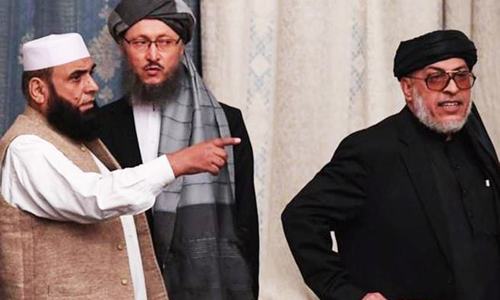
According to Taliban spokesman Zabiullah Mujahid, the talks "will start in Doha today".
The US embassy in Kabul did not immediately comment, but the US State Department has already said its peace envoy Zalmay Khalilzad will visit Doha, the Qatari capital, this month to meet the Taliban.
Khalilzad, who was born in Afghanistan and is a former US ambassador to the country, has spent several months shuttling between Asian capitals and Washington in a bid to build consensus for a deal.
Read: Khalilzad to visit Islamabad, Kabul again
On Sunday, he said Washington was "a bit impatient" to end the war, given its $45 billion annual cost to the US taxpayer and the continued toll on US forces, some 2,400 of whom have been killed since the US-led invasion in response to the September 11, 2001 attacks.
US President Donald Trump provided additional momentum when in December he told advisors he wanted to pull about half of America's 14,000 troops from Afghanistan.
Mega meeting in Kabul
Khalilzad has repeatedly stressed "there is no final agreement until everything is agreed" but the basic framework for a deal would see the US agree to pull its forces from Afghanistan in return for the Taliban vowing to stop terror groups ever again using the country as a safe haven.
But none of the talks thus far have included the Afghan government, which the Taliban views as a puppet regime.
That means that even if the US and the Taliban can agree upon a deal to end the war and a timetable for an eventual troop withdrawal, the insurgents must still forge some kind of an accord with Afghan politicians and tribal elders before an enduring ceasefire could kick in.
An initial attempt for an "intra-Afghan dialogue", due to take place last month in Doha, collapsed in disarray at the last minute amid bickering over the lengthy list of delegates Afghan President Ashraf Ghani wanted to send.
Separately, thousands of Afghan politicians and representatives from various groups are meeting in Kabul this week at a "loya jirga" peace summit to discuss conditions under which they might envision some sort of deal with the Taliban.
Read: Kabul on lockdown as assembly discusses peace with the Taliban
Among top concerns are that the Taliban will try to undo advances in women's rights, media freedoms and legal protections.
Khalilzad went to Moscow last week, where Russia and China voiced support for the US plan for a peace deal and stressed the need for intra-Afghan dialogue that would see all sides in Afghanistan at a negotiating table.
Violence across Afghanistan meanwhile continues apace, and the Taliban last month announced the start of their annual spring offensive.
Qureshi meets Afghan delegation
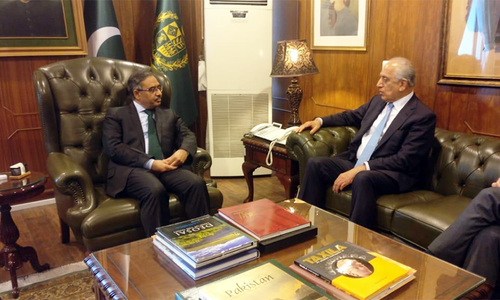
Meanwhile, on Wednesday, Foreign Minister Shah Mahmood Qureshi said Pakistan is hopeful that its "sincere efforts for establishment of peace in Afghanistan will prove to be a success," Radio Pakistan reported.
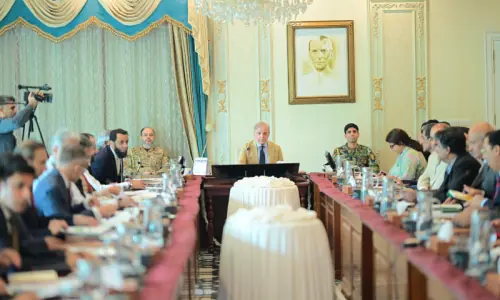
While speaking to an Afghan delegation including politicians, journalists, academics and businessmen in Islamabad, Foreign Minister Qureshi said that Pakistan would continue its efforts for regional peace, particularly in Afghanistan.
Read: US envoy Khalilzad 'greatly appreciates' PM Imran's statement on Afghan peace
Additionally, during the meeting relations between the neighbouring countries and matters of mutual interest, including the Afghan reconciliation process, were discussed, the state-run radion service reported.
The delegation, according to Radio Pakistan, appreciated the role Pakistan has played in bringing the two sides to the dialogue table in the peace process and presented proposals to Qureshi for building trust between Pakistan and Afghanistan as well as to increase bilateral political and economic cooperation.