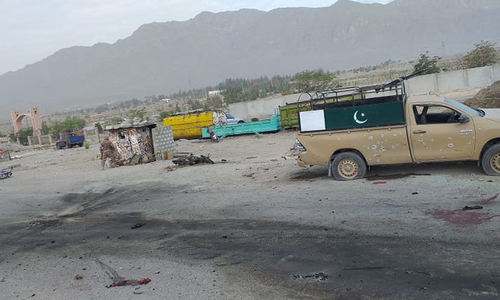
THE poisonous smog blanketing Punjab is an immediate threat to public health, but it also points to a larger environmental crisis that Pakistan can no longer address through piecemeal measures. Lahore’s air quality index stood at a hazardous 358 on Wednesday, while other cities struggled under the same toxic haze. Punjab’s government says better monitoring and enforcement have brought improvements over previous years. That is welcome, but the air remains dangerous. While pollution from India compounds the problem, Pakistan must also confront domestic emissions. Moreover, smog is not the country’s only warning. Our climate crises are deeply interconnected. Repeated floods, punishing heatwaves and mounting water stress show how exposed Pakistan is to climate shocks, and how urgently it needs lasting solutions.
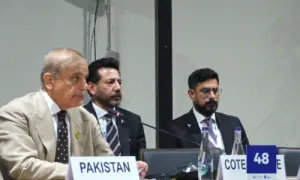
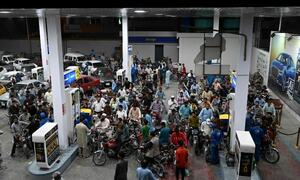
At COP31, PM Shehbaz Sharif outlined a cleaner energy future that deserves support. He pointed to nearly 22 gigawatts of rooftop solar capacity added in two years, much of it driven by households seeking relief from expensive electricity. Pakistan has backed a pledge to increase electricity’s share of energy use to 35pc by 2035 and aims for electric vehicles to account for 30pc of new vehicle sales by 2030. These shifts could help reduce fossil-fuel dependence and, especially through cleaner transport, cut harmful emissions. But an energy transition is not, by itself, a climate policy. Pakistan also needs to protect communities from floods and extreme heat, safeguard water supplies and adapt agriculture to changing conditions. The PM rightly called for concessional finance and affordable technology. Rich industrialised countries bear much of the responsibility for global warming and must help vulnerable nations cope. Yet appeals for international climate justice must run alongside serious action at home.
That action requires more than ambitious targets or seasonal restrictions. Authorities must enforce vehicle and industrial emission standards, expand public transport, support farmers in ending crop burning and make clean technology accessible beyond affluent households. Cities must be better prepared for floods and extreme weather, while rural communities need help coping with rising temperatures and water shortages. Federal and provincial governments must work together and ensure that environmental regulations are properly enforced. Businesses, too, must reduce their environmental impact, while citizens have a responsibility to conserve resources, avoid polluting their surroundings and demand action from the state. None of this will be easy in a country facing serious fiscal constraints. But the cost of delay is already being paid in illness, damaged livelihoods and repeated disruption. Pakistan cannot afford to confront its climate crises one disaster, one season and one international summit at a time.
Published in Dawn, November 13th, 2026