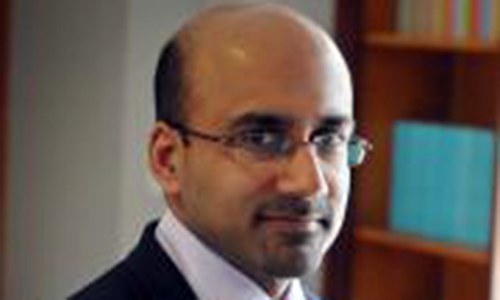
A meritorious appointment has been undone for reasons that have nothing to do with professional competence or qualification.
Princeton’s Prof Atif Mian has stepped down from the Economic Advisory Council after a campaign by far-right religious elements threatened to engulf the PTI government in a crisis that, sadly, could have quickly spiralled out of control.
On Aug 11, 1947, Mohammad Ali Jinnah famously declared: “You may belong to any religion or caste or creed that has nothing to do with the business of the state.” In 71 years, Pakistan has slipped far from Jinnah’s beautiful dream and it is not clear how and when the country can be returned to the inclusive and progressive path that the founding father envisaged.
The PTI has clearly erred in both strategy and political will, but none of the mainstream political parties in the country have emerged from the episode with any credit. The PPP did not join a Senate resolution calling for Prof Mian’s removal, but neither did the party publicly endorse his appointment. The political class will try and put the latest capitulation behind it quickly, but the effects will surely linger.
The historical record incontrovertibly demonstrates that concessions to religious zealots further erode the space for rational discourse and decision-making. With profound governance challenges, a divided polity and a political landscape that is plagued by anti-democratic interference and other problems, no one party can take up the challenge of confronting religious extremism. But as security policymakers debate the political mainstreaming of some extant militant networks, there has been a question whether it is, in fact, extremism that is being mainstreamed in Pakistan.
The religious far right in the country has been mobilised in a manner that ought to worry all right-thinking citizens: short-sighted concessions and manipulations by the state will have far-reaching consequences for society.
Pakistan was, is and will remain a diverse society. Efforts to erase cultural, social and religious differences will not succeed because the population is vast and the country large. But beginning at the margins, it is possible to make life intolerable for a growing number of people — if hate is not purposefully and determinedly countered.
A brilliant mind has been prevented from serving his country; what hope is there for the average citizen in the face of intolerance and organised hostility? Jinnah’s Pakistan is tolerant, progressive, inclusive and democratic. Will Pakistan’s leadership return to the vision of the founding father?
Published in Dawn, September 8th, 2018