More than 2 million Muslims begin Haj
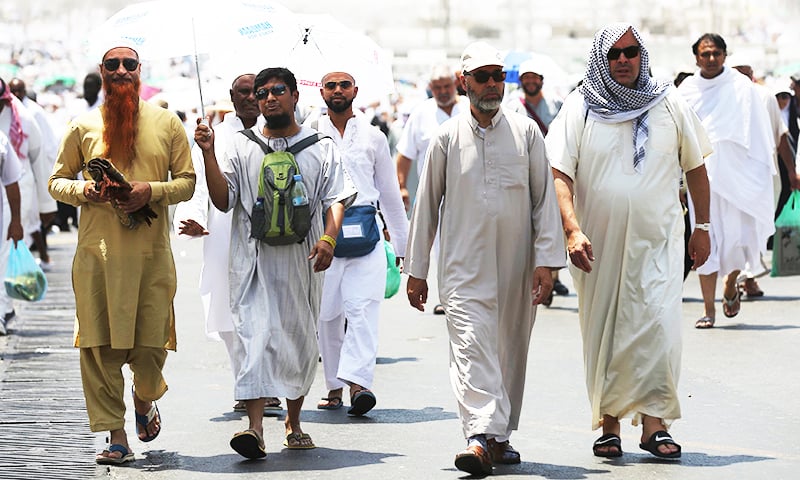
More than 2 million Muslims from around the globe on Sunday began Haj at Islam's holiest sites in Saudi Arabia.
The Saudi government, which is undergoing dramatic social and economic reforms, has mobilised vast resources for the six-day pilgrimage.
“It's the dream of every Muslim to come here to Makkah,” Frenchman Soliman Ben Mohri said.
“It's the ultimate journey. What worries me is the return to my normal life. For the moment, I am in a dream,” the 53-year old said.
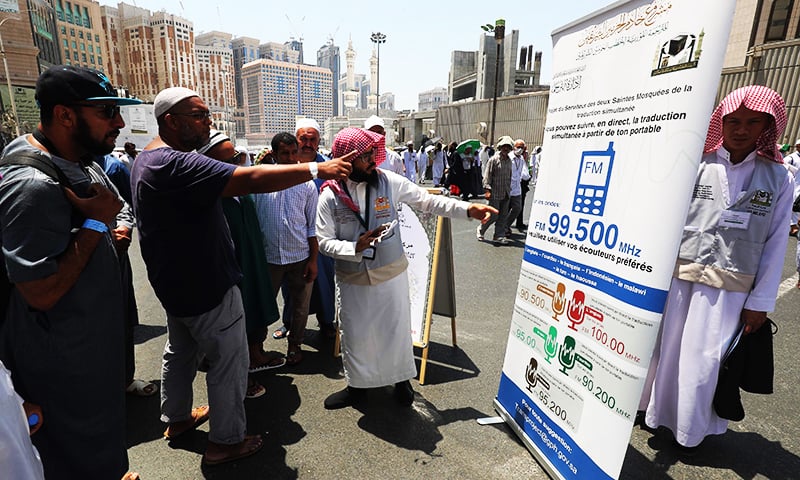
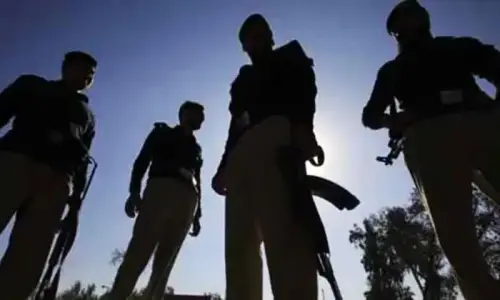
Tens of thousands of security personnel have been deployed for the pilgrimage, which was struck by its worst-ever disaster three years ago when hundreds of worshippers were crushed to death in a stampede.
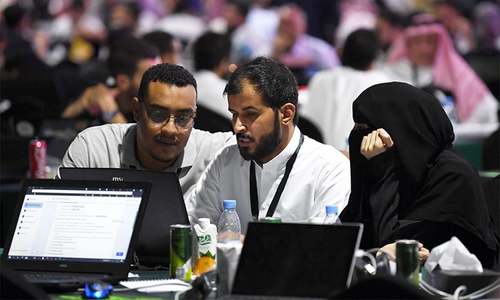
This year, the Saudis have launched a “smart Haj” initiative, with apps to help pilgrims with everything from travel plans to medical care.
The Saudi Interior Ministry said on Saturday that the number of pilgrims arriving in Makkah had already surpassed the 2m mark, mostly from abroad including large contingents from Egypt, India, Pakistan and Bangladesh.
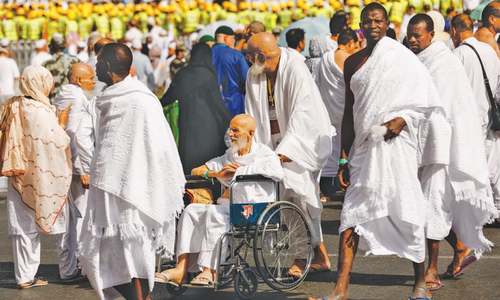
Most of the pilgrims began moving on Sunday from Makkah to the nearby Mina valley where they will spend the night in fire-resistant tents.
Thousands of buses and vehicles carrying the pilgrims lined the 8 kilometre road from Makkah to Mina. Many pilgrims made the journey walking under the scorching heat of the sun.
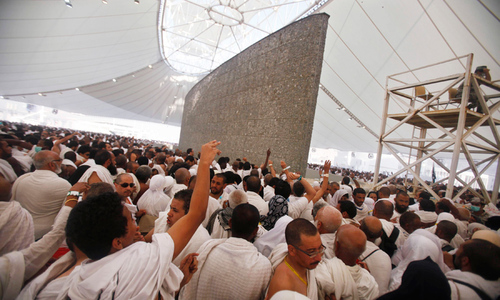
On Monday, pilgrims will climb nearby Mount Arafat for the climax of Haj, praying and reading the Holy Quran.
After sunset, pilgrims will head to Muzdalifah, half-way between Arafat and Mina, where they will stay at least until midnight. They will then gather pebbles to perform the symbolic stoning of the devil on the eve of the Eidul Azha, which marks the end of Haj.
This year's pilgrimage comes with the oil-flush kingdom witnessing unprecedented change, including an end to a ban on women driving. While rights campaigners have welcomed the reforms, they have also expressed alarm about a crackdown on dissent.
Although the kingdom's young de facto leader, Crown Prince Mohammed bin Salman, has spearheaded the changes, religion remains a key force in Saudi Arabia.