0
0
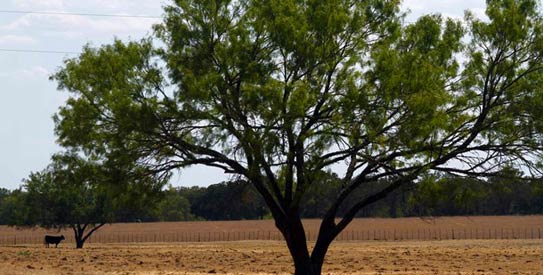
ISLAMABAD: Using a mix of trees and crop species can help rejuvenate Pakistan’s deteriorating forests, a study reported. It is based on physical and chemical analyses of 400 soil samples, collected during a survey of farms and plantations to compare four agro-ecological zones of Punjab province.
Results of findings published in African Science Journal of Environmental Sciences & Technology (November 2011) will aid farmers to select best possible trees and plants. As demand for food grains steadily increases, unused cultivable lands are being brought under crops in Pakistan and lands cannot be spared for planting trees.
Agro-forestry is a viable solution to this problem, where farms can grow trees alongside crops, Syed Muhammad Akmal Rahim, lead author of study and divisional forest officer at Punjab forest department in Lahore, told SciDev.Net.
Deputy Inspector General Forests in Environment wing of Planning Commission, Shahzad Jehangir, believes farmers will take interest in agro-forestry only if they are convinced of its economic benefits.
According to UN Food & Agriculture Organisation FAO’s State of World Forests 2011 report, Pakistan has only two per cent of its area under forest cover. But officials estimate current forest cover at around 5 per cent. Government has a target of increasing forest cover to 6% by 2015, according to World Wide Fund- Pakistan’s Conversion of Forests to Non-Forestry Uses in Pakistan 2010 study. But it is difficult to achieve that target given the countrys negative forest growth.
Jehangir said unchecked tree-felling, degradation and encroachment of natural forest lands and rangelands, conversion of forest lands to non-forestry uses, galloping population, inadequate alternative energy sources, urbanization, poverty are major problems. “However, countering these challenges is possible with sufficient financial resources allocation, latest research facilities, imparting forest officials adequate training, technical, scientific know-how, banning tree-cutting, forest land conversion,” he said.
Director General Pakistan Forest Institute, Razaul Haq says joint international and regional research and capacity-building programs launched in partnership with FAO, UN Environmental Program, International Union of Conservation for Nature & International Centre for Integrated Mountain Development. Funds from South Asian Association for Regional Cooperation are also being tapped to boost forest cover. He said Pakistan has actively engaged in United Nations Reducing Emissions from Deforestation & Forest Degradation, or REDD+, process and long-term viable projects have been implemented with financial and technical help from Global Environment Facility. -- scidev.net