0
0
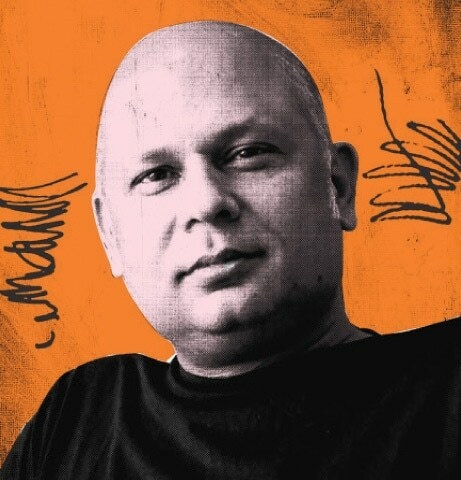
“Under the rubble of Gaza, the whole edifice of the United Nations’ human rights mechanisms and the international human rights movement, led by the West, lies buried. It is about time that the South Asian intellectuals and rights activists who represent a region that constitutes a quarter of the world population, take others from the global South along, and completely decolonise and reset the human rights movement.”
This was stated by Roshmi Goswami, the leading South Asian public intellectual, author, researcher and human rights campaigner.
Over the last weekend in Lahore, after a gap of many years, an intellectually strong and highly charged group of academics, lawyers, writers, artists, journalists and human rights defenders from seven countries — Afghanistan, Pakistan, India, Nepal, Bangladesh, Sri Lanka and Maldives — got together to deliberate on the current state of affairs and the way forward for the people in our region.
It was a hybrid conference titled ‘Bridges, Not Boundaries’, with representatives from four countries present in person. A significant number of speakers joined online due to their remote locations or their inability to travel, besides the current visa restrictions between India and Pakistan. Luckily, there were nominal technical glitches and those present in-person and online speakers and audiences stayed fully connected for two days. The conference was co-hosted by a regional alliance of organisations and individuals called South Asians for Human Rights (SAHR) and the Human Rights Commission of Pakistan (HRCP) at the Dorab Patel Auditorium in HRCP’s own secretariat.
The conference began with a riveting recitation of select stanzas from the epic Punjabi classic Heer Waris Shah by Taimur Afghani, with Ijaz Khan being an extraordinary flautist who played along. The keynote speeches by Syeda Saiyidain Hameed and Hina Jilani were both emotional and rational. This combination is rare to find. They traced history, took stock of successes and failures of the peace and solidarity movement and stressed the urgency of rejuvenating cross-border movements for peace and for the realisation of rights of the most vulnerable and excluded across the South Asian region — from Kashmiris to Rohingyas, as well as the victims of the gender apartheid in Afghanistan and the climate crisis we collectively face.
The first regular session at the conference looked at the current state of human rights and fundamental freedoms across the South Asian region. The overall picture that emerged confirmed democratic backsliding on the go and the curbs on freedoms of expression, association and assembly that are increasing day by day. The second session focused on pluralism and the impending erasure of ethnic and religious minorities.
The first session mostly included informed activists from the ground and the second was more theoretical in nature, which tried to investigate the reasons behind the increased pressures on minorities. Something interesting that was said was about the relationship between identity and power in terms of understanding the concepts of majority and minority. One may well be a minority numerically but it is one’s dominance in society, in the polity and economy that defines one’s status. One example is the Brahmins in India today and the other can be the West Pakistanis in 1971.
The third session of the conference was about climate justice and the possibility of effective climate diplomacy in the region. There was a consensus among the panellists and the audience that nothing impactful to arrest climate disaster, that we are already on the brink of, can be done by one single country alone. The whole ecosystem is intertwined and there has to be a joint planning that links a local community in the country to the region and the region to global action.
Deteriorating climate conditions need a local, national, regional and global response. Half of the displaced populations in the 21st century are displaced due to climate change. People are internally displaced or have massively migrated to other countries only because of conflicts in the previous century.
The final conference session debated the possibility of creating a regional action plan using both new technology and restoring the tried and tested methods of bringing people together for peace and prosperity in South Asia. All countries were represented and a broad but purposeful debate took place. There was a clear and unambiguous demand for reviving the South Asian Association for Regional Cooperation (Saarc). Speakers from Nepal and Sri Lanka emphasised that Indian hegemony in the region and the perpetual India-Pakistan conflict pull other countries behind as well.
Academics, artists and activists present in the audience also made some useful points about how the countries belonging to the region should fix their internal and regional issues as urgently as possible and then realise their global potential for a much bigger role in international decision-making. The conference ended with a performance by Mudassir Hussain from Parachinar who played the rubab with Muhammad Wasif from South Waziristan providing percussion.
The South Asian conference in Lahore reminded me of a few lines from Fariduddin Attar’s epic Persian poem ‘Mantiq-ut-Tair’ [Conference of the Birds]. “The Hoopoe excited and full of hope came forward and placed herself in the middle of the assembled birds. On her breast was the ornament which symbolised that she had entered the way of spiritual knowledge; the crest on her head was the crown of truth and she had knowledge of both good and evil.”
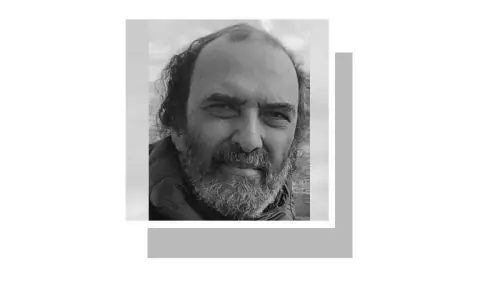
The writer is a poet and essayist.
His latest collections of verse are Hairaa’n Sar-i-Bazaar and No Fortunes to Tell
Published in Dawn, Books & Authors, August 3rd, 2025