7
7
ONE of the most dismal numbers to come out of Pakistan is the paltry allocation of budgetary resources to health.
The figure stands below 0.7pc of GDP, both provincial and federal combined, and is among the smallest expenditure heads in the budget.
Even for a country known for its misallocation of resources, the smallness of this number is staggering, especially when we consider the kind of health emergencies that plague the land.
From diseases such as polio, TB and hepatitis, to malnutrition among a large proportion of the population, to high infant and child mortality rates — among the highest in the region — Pakistan shoulders some of the world’s biggest health-related burdens. How then do we justify such meagre resource allocation to the health sector?
Economic surveys that are the government’s own telling of the health story show that the myriad programmes being run in the health sector are the authorities’ response to the challenge.
Data is presented on the availability of food, which, apparently, is sufficient to handle the nutritional needs of the entire country.
The availability of cereal, pulses and milk has only increased over the past five years. However, the data on calorie intake shows a deterioration, with 22pc of our population in the undernourishment category and in the same league as countries that are food deficient.
Lack of food then is not the issue; the problem is how the food that is available is allocated, whether through market mechanisms that are highly distorted by speculative interests or through an ineffective, corrupt government.
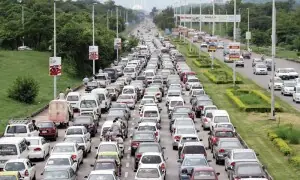
The story is the same whether one looks at hospitals and medicines, or access to doctors. In general terms as well, both the centre and the provinces are more geared towards serving the interests of the rich, through the construction of roads and bridges, than of the poor.
Public-sector spending on health, which is the mainstay for meeting the health requirements of the poor, is a dismal 0.7pc of GDP as mentioned above. But when one adds private-sector spending, the figure jumps to 2.8pc of GDP; this is four times what is spent on the poor.
This shows that whatever allocation of resources to the health sector there is in the country, most of it is through private healthcare providers that serve the interests of those with more money.
It is no exaggeration to say that the poor have been left to their own devices while the rich have built for themselves a comfortable world where all basic needs are amply catered for, and sealed away behind a wall of high prices.
The state of public health in the country paints a truly dismal picture, especially when it comes to the skewed manner of the allocation of available resources.
Published in Dawn, February 22nd, 2016