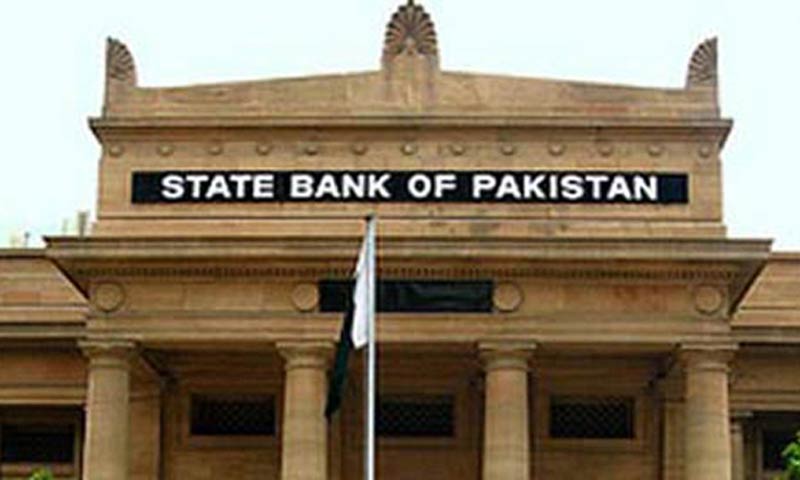
IN its annual report on the economy for the last fiscal, the State Bank of Pakistan has correctly pointed out that the country has lost much more than what it has gained from the ‘war on terror’ in the form of foreign assistance and coalition support funds. It notes: “…the actual economic cost of this war on Pakistan is significantly higher” and points out the conflict has caused law and order to worsen, “which in turn has adversely impacted the investment climate, caused production losses, diverted resources to enhancing security, encouraged manpower and some businesses to migrate out of the country, and adversely impacted revenue collection”. This analysis of the conflict’s economic impact is spot on, but blaming poor security conditions alone for all our financial woes as some of our politicians and policymakers are fond of doing will not get us anywhere. The report concedes this when it says, “growing security and persistent structural weaknesses continue to hamper economic growth”.
We may have the war to blame for the deteriorating security conditions. But who is to blame for the failure to correct the structural weaknesses and imbalances pointed out by the SBP? The responsibility for failing the people has to be shared by successive military and civilian rulers as well as the country’s elite. It is regrettable that every government, without exception, has contributed to the economic rot instead of reversing it. The difference lies only in the degree of the decay caused by one government and the next.
When Prime Minister Nawaz Sharif returned to power for a third term with a strong mandate in the 2013 May polls, most people expected him to take tough decisions to improve the economy. He didn’t. Take the collapsing energy sector that is pulling the economy apart. Apart from raising energy prices for the average Pakistani, his government has done little to improve governance of public power and gas companies or to recover unpaid bills from powerful defaulters. Similarly, its first budget took billions in taxes from the poor to middle-income households to give to wealthy businessmen. As if this were not enough, an attractive tax amnesty scheme has been designed to reward tax thieves working outside the documented economy. The list of incentives given to the rich in the name of the poor is long. So it shouldn’t surprise anyone if the government misses budget targets for growth, tax collection, inflation, fiscal deficit, current account, investment, etc as pointed out by the SBP. But all is not lost. Though the clock is ticking, the prime minister still has time to review his economic policies to address the structural imbalances and prove his critics wrong.