Air pollution
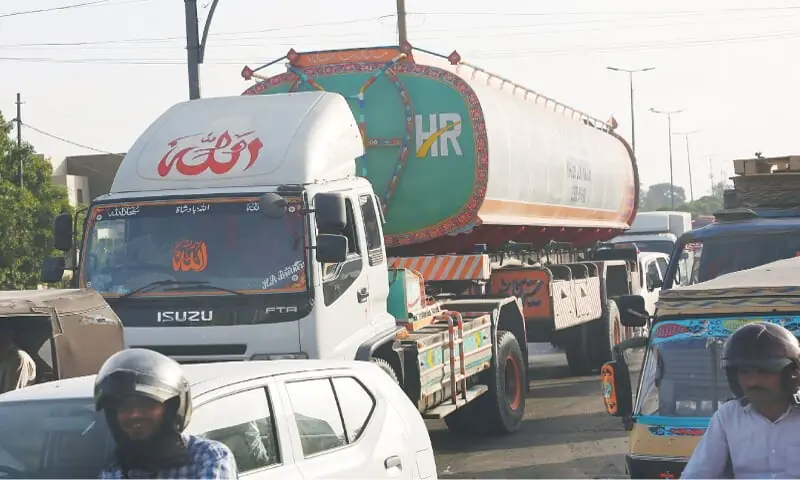
Aging diesel trucks, long-haul trailers, loaders and diesel-powered passenger buses found primary violators in capital.
Updated 03 Nov, 2025 10:33am
Air pollution in central Punjab to increase to dangerous levels due to polluted easterly winds coming from India.
Updated 02 Nov, 2025 11:08am
Punjab govt announces launch of a project envisaging 112km-long forest belt around the city.
Published 31 Oct, 2025 06:16am
Punjab senior minister praises efforts by CM Maryam Nawaz in leading anti-smog operations.
Updated 29 Oct, 2025 06:53pm
Police register 14 cases, fine 115 individuals for causing smog; civic agencies taking steps to mitigate pollution.
Updated 29 Oct, 2025 09:02am
Faisalabad, Multan, Gujranwala, Bahawalpur and Sialkot also feature prominently in national city ranking.
Updated 28 Oct, 2025 10:11am
Citizens urged to wear masks, avoid unnecessary outdoor activity; government imposes blanket ban on stubble, solid waste, plastic burning.
Updated 26 Oct, 2025 07:37am
Met Office says continental air was prevailing over most parts of country, bringing generally dry weather, while hilly areas are expected to remain cold during morning and night hours.
Updated 25 Oct, 2025 08:53pm
Met Office sees no immediate respite; Marriyum Aurangzeb warns smog could severely disrupt daily life and businesses.
Updated 25 Oct, 2025 10:30am
"If conditions remain favourable, Delhi will experience its first artificial rain on October 29," says Chief Minister Rekha Gupta.
Published 24 Oct, 2025 11:25am
Says prevailing stable and dry weather conditions conducive to increase in smog in coming days.
Updated 24 Oct, 2025 09:23am
Emission standards critically outdated, committee told; official says Pak-EPA lacks financial, technical resources to do its job.
Updated 23 Oct, 2025 07:17am
Senior traffic police officers have been directed to strictly enforce the directives among their subordinates.
Updated 22 Oct, 2025 09:48am
Along with precautionary steps, it is essential to reduce emissions and encourage a switch to EVs to combat smog.
Updated 22 Oct, 2025 04:50pm
20 million residents struggles with respiratory illnesses in India to a thick smog every winter as cold, heavy air traps construction dust, vehicle emissions, smoke from agricultural fires.
Updated 22 Oct, 2025 08:37am
As Lahore gears up for another smog season, an imposing new fleet of green trucks is making rounds across the city.
Published 21 Oct, 2025 04:19pm
New Delhi tops the list with "hazardous" air quality.
Updated 21 Oct, 2025 04:27pm
Authorities say low-speed winds carrying pollutants from the east, local factors will aggravate situation.
Updated 21 Oct, 2025 07:24am
Lahore is still among the most polluted cities of the world.
Updated 20 Oct, 2025 10:07am
Expert expects to have a more severe spell of smog this winter due to heavy floods across Punjab in both Pakistan and India.
Published 17 Oct, 2025 01:59pm
Stubble burning is deeply intertwined with the agrarian evolution of South Asia.
Updated 17 Oct, 2025 03:27pm
SC judge says environmental watchdog fully captured by govt; Justice Ayesha highlights gaps in law enforcement.
Updated 12 Oct, 2025 08:34am
Smog has become a symptom of deeper systemic issues: weak regulation, unchecked emissions, and short-term politics. Tackling it requires not another plan, but a functioning system that enforces the ones already written.
Published 11 Oct, 2025 12:31pm
Moot under DawnMedia’s ‘Breathe Pakistan’ initiative sheds light on actionable solutions and collective action for cleaner air in Pakistan.
Updated 11 Oct, 2025 10:44pm
DawnMedia hosts seminal conference on air pollution today.
Updated 11 Oct, 2025 08:02am
Experts say govt's efforts that tackle pollution’s effects, rather than its source, miss the point.
Published 09 Oct, 2025 01:52pm
The blueprint for clean air already exists — in London’s reforms and Beijing’s resolve. Pakistan, too, can reclaim its blue skies by modernising its industries, curbing transport emissions, and ending crop burning.
Updated 09 Oct, 2025 02:50pm
If we go on in the same manner, an apocalyptic future is not a dramatic hyperbole but a probable reality for the region.
Published 08 Oct, 2025 01:54pm
Joint operation with Islamabad police aims to curb smog and vehicular pollution in capital.
Updated 06 Oct, 2025 10:13am
In Punjab, the top reason for visiting the hospital OPD is acute upper respiratory infections.
Published 06 Oct, 2025 05:58am