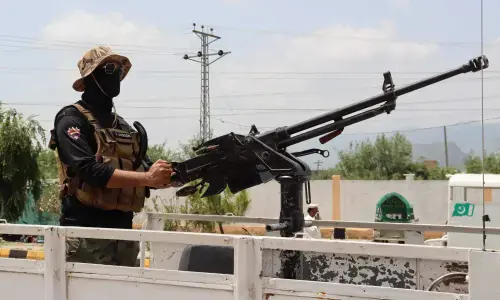
HUMAN rights activists have urged Pakistani security forces to take action against extremist sectarian outfits which have once again targeted Hazara-Shia Muslims killing 13 people.
According to media reports, the assassinated people were poor labourers headed for work at the local vegetable market in the morning of Oct 4, when targeted.
On Sept 19, some 29 Hazara-Shia people were killed in Quetta while travelling in a bus.
Using the same procedure as two weeks ago, the attackers forced the people off the bus, made them stand in a row and then opened fire killing 13 people on the spot.
Sectarian killings against the Hazara community have sharply increased after the release of Lashkar-i-Jhangvi chief Malik Ishaq from prison on bail. Ishaq has been reported to restart inflammatory speeches in Punjab soon after his release.
Amnesty International’s Asia-Pacific director Sam Zarifi said: “These are not random killings but demonstrate the deliberate targeting of the Shia by armed groups.”
He added that “recent attacks have predominantly targeted unarmed Shia Muslims in their homes, shops or while travelling, and even in their places of worship.”
Amnesty International has also reported that Lashkar-i-Jhangvi, a banned militant organisation, is operating openly in Punjab and Karachi and striking their victims at will in Balochistan and other parts of the country.
Brad Adams, Asia director at Human Rights Watch, said: “The government’s failure to break up the extremist groups that carry out these attacks calls into question its commitment to protect all of its citizens.”
Human Rights Watch has also mentioned that Laskar-i-Jhangvi operates with impunity even in areas where state authority is well-established, such as Punjab and Karachi. Human Rights Watch added that law-enforcement officials have been seen to look the other way during attacks on Shia and other vulnerable groups.
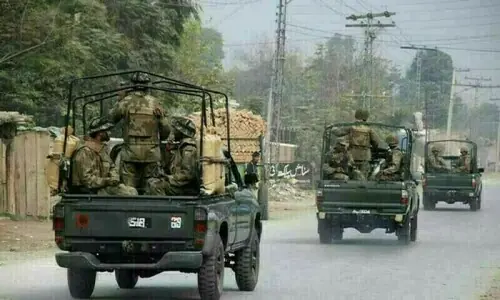
Human Rights Watch has urged the Pakistan government to direct the military and the Frontier Corps to protect those facing attack from extremist groups.
The holy month of Muharram will start towards the end of November and the potential for sectarian violence is very high, according to human rights groups. Continued failure to address the problem of sectarian violence will only exacerbate the general breakdown in law and order in Pakistan.
IRFAN HUSSAIN London