0
0

ISLAMABAD, April 27: The speakers at the launching ceremony of a journal on social sciences on Wednesday called upon the academics and researchers to write on social sciences.
They asked the policy makers to consider the research works while chalking out future planning.The economists and experts on social sciences said there was a wide gap between policy making and research works, which result in policy errors.
Speaking at the launch of 'Journal of Social and Policy Sciences,' (JSAPS) by the first journal of Institute of Social and Policy Sciences, and edited by Dr Safdar Sohail, said that the trend among the educated persons to study social sciences is increasing, but the country has to increase the research base.
“The participation of researchers in the journals during the course of their studies is essential for them too,” he said and added that the first edition of JSAPS has three critical based articles, including one on the poverty reduction strategy of the country.
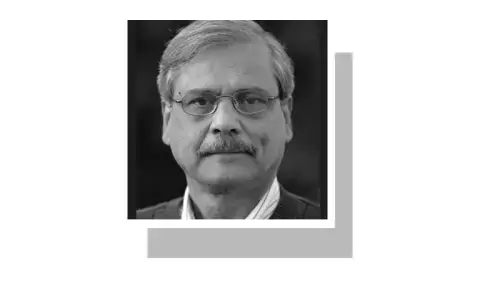
Former principal adviser to the finance ministry Saqib Sherani, presented the review of the first issue of the J-SAPS expressed concerns that the country lack demand and supply of policy research.
“We have funded research, which can be described as commercial research,” Mr Sherani said, adding “But we need policy based research from the ministries concerned for future planning.”
He said that the demand for the research-based policy has made it almost non-existent and the bureaucratic hurdles are too strong for inclusion of any new in the development or planning process.
“It is a serious challenge that the research based journals and the papers on social issues do not get the attention of the policy makers.” Mr Sherani said.
It was highlighted that the political parties should encourage their own think tanks who would conduct researches and these papers could be utilised for the social development of the concerned area sector.
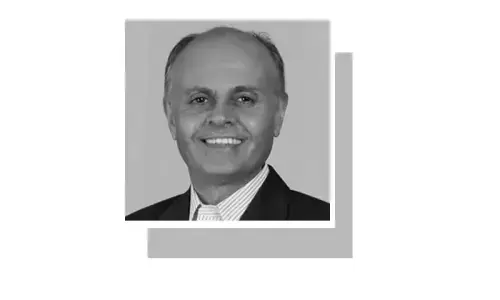
“The prime minister has said that the growth rate is between 2-3 percent and the economy has stabilised,” Mr Naqvi said adding, “What can be achieve with 2 percent growth rate.”
The DG Urdu University also said that the researchers should also focus on the current state of affairs in the economy and its impact on the marginalised class.
While, Dr Athar Maqsood, member editorial board J-SAPS said that it has been observed that the academicians are not aware of the procedures to get their work published.
He said that there is a dearth of social sciences journals even in the universities of the country, while the writings should not be limited to the local level and also focus on broader base.
The participants were informed that the social sciences subjects are gaining popularity among those attaining higher education in the country, as there are around 4,500 journals in Pakistan including 18 I social sciences, whereas out of 164 HEC recognised journals 96 are focused on social sciences.
The speakers said that the social scientists and the researchers needed to work with the communities and involve locals during the work at marginalised sections.