KATHMANDU: Many residents of Nepal’s capital spent their weekend holiday in their vehicles in hours-long queues for petrol, fearing a flare-up of a general strike that closed the main highway in this landlocked country earlier this month, leading to fuel rationing.
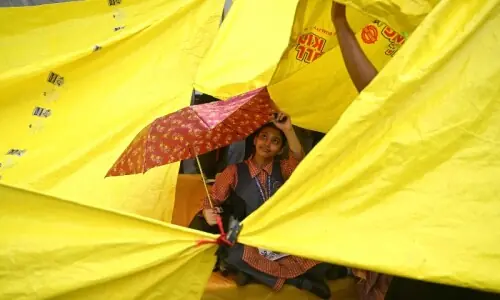
For nearly three weeks the shutdown blocked supplies of fuel, food and other essentials from reaching the Kathmandu Valley and other points north of ‘madhesh’, the plains region bordering India, stranding travellers and forcing businesses big and small to close. The strike was ignited by the shooting of a ‘madheshi’ protester demonstrating against the country’s interim constitution, which until then had been seen largely as another imperfect but needed step on this South Asian nation’s rocky path to permanent peace.
Until April 2006, Nepal’s Maoist rebels were fighting an increasingly violent uprising against the state. In ten years more than 13,000 people were killed, tens of thousands more were chased from their village homes, and words like “torture”, “disappearances” and “human rights” came into daily use.
But ten months ago, Maoist chiefs put their insurgency on hold and teamed up with political leaders to send gigantic protests into the streets of Kathmandu, after two weeks forcing King Gyanendra to end autocratic rule and recall parliament. In November, after months of talks, the Maoists and the new government signed a peace deal.
Yet despite promises to build a “new Nepal”, the government failed to restructure the state in the interim constitution, which was also approved by newly-minted Maoist members of parliament. That is why the shooting of a lone protester exploded into two weeks of spontaneous protests that rivalled April’s “people’s movement”, says civil society leader Shyam Shrestha.
The madheshi protests ebbed after Prime Minister Girija Koirala promised to amend the interim constitution to reshape Nepal into a federal state and to boost the number of seats filled by madheshi representatives in the legislature. But they will likely flame up unless the government announces that CA elections will be run solely on the basis of proportional representation and that madheshis and other excluded group will be represented according to their numbers in all state institutions, predicted Shrestha.
The ten-day ‘break’ in the general strike is set to end today.—Dawn/The IPS News Service