'We never gave up': Naqvi highlights Pakistan's peace efforts in US-Iran war at Qatar forum
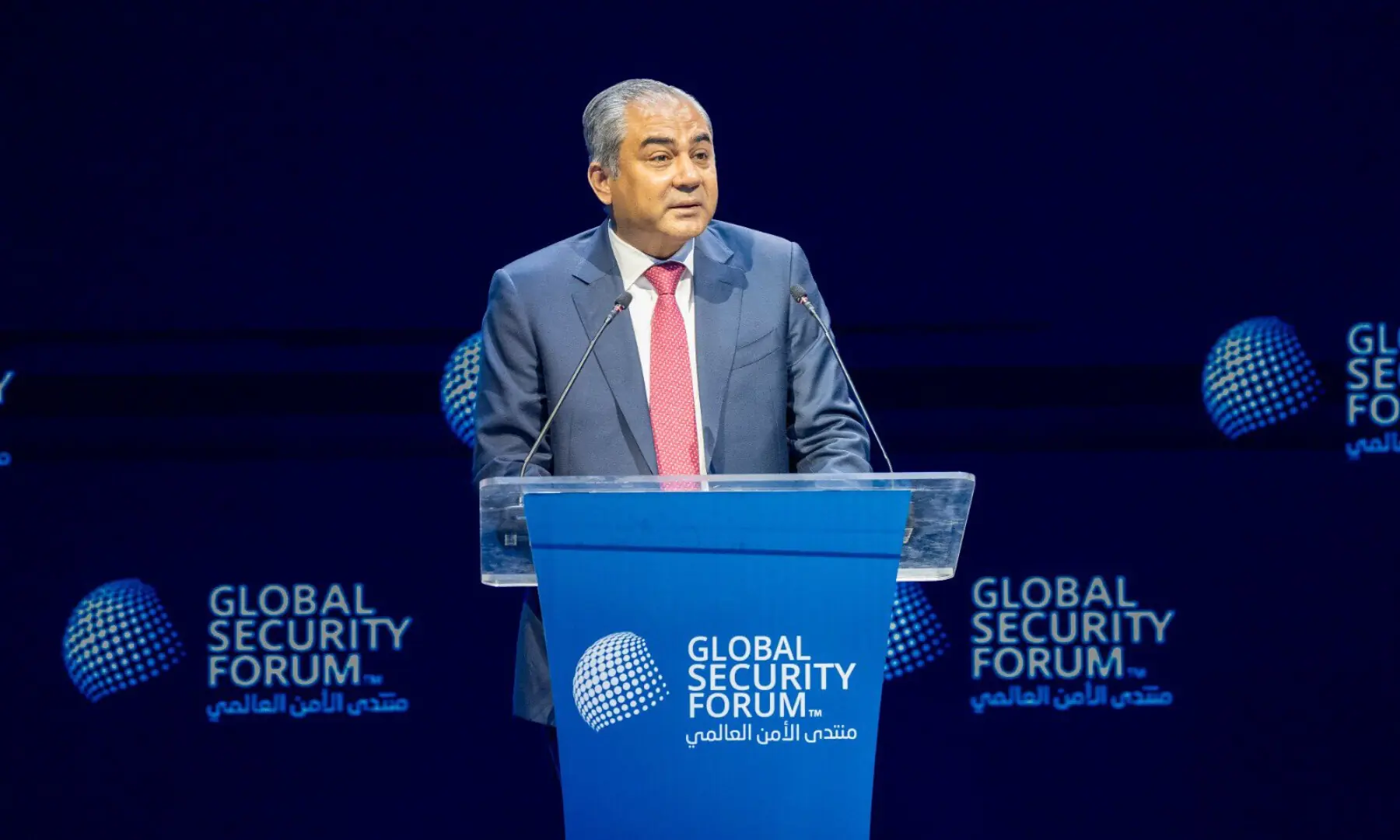
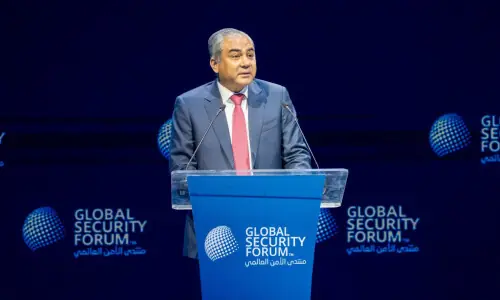
Interior Minister Mohsin Naqvi on Monday highlighted Pakistan’s mediation efforts between the United States and Iran, affirming that Islamabad “never gave up”.
He made the remarks while addressing the 8th Global Security Forum being held in Qatar’s capital, Doha. Convened under the title “The Future of Alliances“, the forum brings together high-ranking officials and dignitaries from over 100 nations, according to Qatar News Agency.
“The last few months have been very difficult for our region. The conflict involving Iran and the United States created serious risks not only for the Middle East, but for the entire world,” Naqvi noted.
He added that at such a critical time, Pakistan chose the path of peace and made “every possible effort to reduce tensions”.
Naqvi, who has been involved in Islamabad’s peace efforts and has made several trips to Iran since the war began, said: “There were moments when the situation was extremely tense, but we never gave up.
“We continued talking, listening and working to build trust. And I can tell you from my experience: peace is not achieved in one meeting; it requires patience, trust and continuous efforts.”
He particularly highlighted the “remarkable role” of Chief of Defence Forces and Chief of Army Staff Field Marshal Syed Asim Munir in Pakistan’s efforts to reduce tensions.
CDF Munir, accompanied by Naqvi, had visited Iran in August “as part of Pakistan’s efforts to promote regional peace and stability”. The interior minister last made a visit to Iran in September, with Tehran describing the trip as part of bilateral engagements.
Speaking at the Doha forum, Naqvi recalled the June 18 signing of the Islamabad Memorandum of Understanding (MoU) between Iran and the US. The 14-point MoU, which Pakistan signed as a mediator, provided a framework for ending the war that began with US-Israeli strikes on Iran on Feb 28.
The interior minister recalled that the MoU was followed by the Lake Lucerne Summit in Switzerland, organised by mediators Pakistan and Qatar.
“There, I saw something I will never forget,” he said, adding that Qatar’s Prime Minister Mohammed bin Abdulrahman Al Thani and CDF Munir worked for “more than 16 hours without a single break”.
“No cameras, no announcements; only two men who refused to let the talks fail,” Naqvi remarked, emphasising that the only aim of the two mediating countries was to “stop further conflict and to save innocent lives”.
The minister praised Qatar’s peace efforts, noting it had “done so much”. “In the diplomacy of our time, when others chose sides, Qatar chose to keep talking. Pakistan has seen this closely because we have worked beside you.”
He stressed that Pakistan has always believed that “dialogue is better than war”.
“Our recent experience has taught us three important lessons: never close the door to dialogue, trust is the most important key for any kind of talk, and thirdly, peace requires sincere efforts from everyone.”
The senator emphasised that no single country could achieve regional peace alone.
“Pakistan is proud of the role it has played in the regional peace efforts,” he said, reaffirming that Islamabad would continue to support dialogue, peace and cooperation.
“We believe that winning peace is far more important than winning a war,” the minister remarked.
Naqvi then cited the Makkah Joint Defence Alliance signed among Pakistan, Saudi Arabia and Turkiye as an example of Islamabad’s commitment to regional security.
“It is a pact for defence, not for war,” he declared, adding that no country could “enjoy lasting peace if its neighbours are facing conflicts”.
Naqvi also spoke about countering security challenges and called for stronger international cooperation on the matter.
“As Pakistan’s interior minister, I also understand the price of terrorism and insecurity. Pakistan has suffered greatly; thousands of our citizens, soldiers, and policemen have lost their lives. Even today, we continue to fight.”
Describing terrorism as a “common enemy”, he called for “stronger cooperation, better intelligence-sharing and joint efforts to defeat it”.
The senator noted that counterterrorism cooperation was not something Pakistan has only sought, but also provided. He then highlighted the country’s contributions to the United Nations’ peacekeeping missions.
“Our UN police peacekeepers have helped protect civilians, support local police and restore peace in countries affected by conflict. We are proud of their services and sacrifices,” he said.
More to follow