Peshawar villages continue to record sporadic dengue cases

PESHAWAR: Health department has been recording sporadic cases of dengue fever from villages in Peshawar amid continuous defiance by medical teaching institutions (MTIs) to share information regarding patients with it.
Dengue situation report released by Integrated Diseases Surveillance and Response System (IDS&RS) at Directorate General Health Services Khyber Pakhtunkhwa on weekly basis has been listing the only challenge it faces in connection with preventive activities regarding the vector-borne ailment that MTIs are not sharing line-lists with health department.
However, MTIs continue to ignore requests made by the department now and then to start sharing details of patients visiting OPDs with it. According to the latest report of IDS&RS, the provincial tally of dengue patients has reached 250 with Peshawar topping the list with 134 patients.
Health officials said that they were taking prompt action in the areas from where dengue cases were recorded due to which there was no cluster so far but only sporadic infections were recorded.
Health dept urges MTIs to share data of patients with it
“However, it can jeopardise the situation if MTIs continue its lacklustre response to requests about sharing patients’ information with the department,” they said. Health officials associated with anti-dengue efforts had held meetings with administration of MTIs but they did share the requested information with them.
So far, 1,354 suspected patients have been recorded and tested at Public Health Reference Lab (PHRL) of Khyber Medical University free of cost. The department has been providing free courier services in all districts for rapid transportation of suspected samples to PHRL to ensure that in case of infections, preventive measures are taken in a timely manner.
So far, 21 districts have reported infections including Peshawar having 134 dengue cases, Kohat 45, Bannu 14, Bajaur eight, Swabi and Mohmand six cases each, Karak five and Hangu, Dir Lower and Nowshera four cases each while the remaining districts had recorded one and two infections.
Officials said that sharing information by MTIs was desperately required to devise comprehensive strategy for elimination of virus. According to them, their workers have mechanically destroyed larvae found in 392 houses of the total 279,062 sites inspected by surveillance staff and 914 containers out of one million whereas 182 outdoor places laced with larvae have also been chemically sprayed.
Experts say that Peshawar has been the mainstay of dengue virus as it reports cases every year. Bulk of dengue cases in the past were reported at MTIs which used to share information with the department enabling the latter to take preventive measures, such as carrying out spray and testing the close contacts of infected people.
“MTIs have also been testing patients with dengue symptoms on payment and those tested positive are sent back to home where they can spread the disease,” they said.
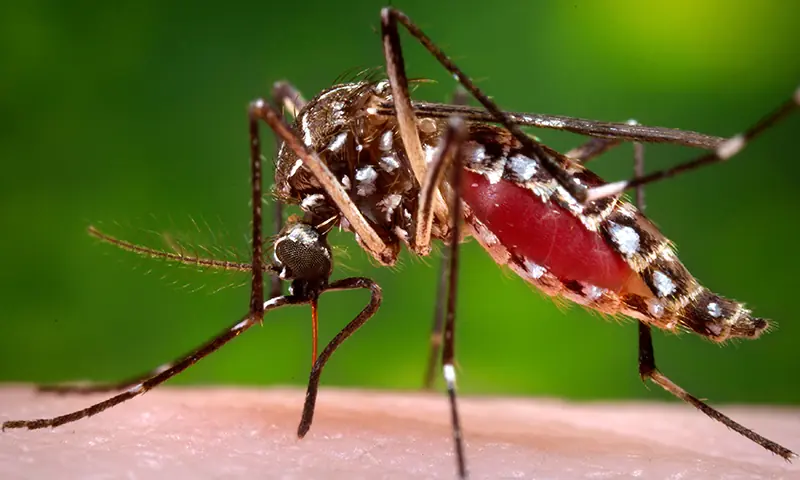
Experts said that Peshawar was home to mosquitoes, the carrier and transmitter of dengue, due to which the chances of spread of the ailment was higher. “When a mosquito bites an infected person then it becomes source of transmission to others, due to which the department requires all details about cases, their address etc so that preventive measures could be started,” they said.
As there is excessive power outages, so the chances of mosquito bites are more and people stay exposed to the virus.
Officials in health department say that they held 66,869 sessions where they educated people regarding the causes and prevention of dengue. They said that 287,418 women and 75,229 men attended the sessions. “However, we need information to start such sessions in the infected areas. We heavily bank on MTIs as far as Peshawar is concerned,” they added.
Otherwise, situation could go 2017’s way when Peshawar recorded 70 deaths and 60,000 dengue cases and hospitals were overcrowded with patients, most of them were treated in corridors for want of space, they said.
Published in Dawn, August 2nd, 2026