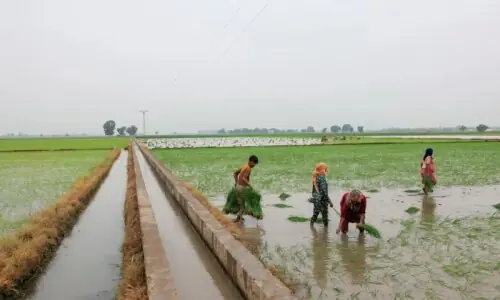
Pakistan needs water security policy to tackle flood risks, says report
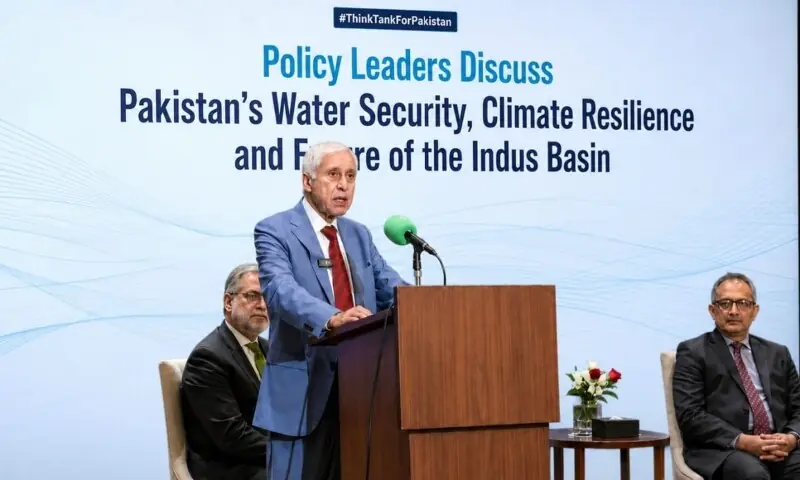


ISLAMABAD: Pakistan must move beyond short-term emergency responses and adopt a comprehensive national water security policy to address growing flood risks and worsening water crisis, according to a research report launched by EMPAK Strategies at a seminar in Islamabad.
The report, titled ‘Water, Climate and Diplomacy: Securing Pakistan’s Indus Basin Future’, said the recent surge in water flows in Chenab River during the monsoon season has once again exposed major weaknesses in Pakistan’s water management system.
It argued that extreme rainfall, upstream river flows, inadequate water storage capacity, ageing irrigation infrastructure, poor groundwater governance and limited flood preparedness have significantly increased the country’s vulnerability to climate-related disasters.
The report said climate change, rapid glacier melt, population growth, deteriorating irrigation networks, unchecked groundwater extraction and mounting pressure on Indus Basin had pushed Pakistan into a severe water security crisis.
The report proposed five key policy priorities, including effective implementation of the 1991 Water Apportionment Accord; expansion of strategic water storage and flood management infrastructure; enhanced hydrological cooperation with China and technical dialogue with Afghanistan; promotion of climate-smart agriculture, digital water accounting and groundwater regulation; and mobilisation of international climate finance by placing water security at the centre of Pakistan’s climate, economic and national security agenda.
Addressing the seminar, Minister for Investment Qaiser Sheikh said the Indus Waters Treaty could not be suspended or terminated unilaterally. He described any such move by India as illegal and in violation of international law, warning that continued tensions over water could have serious consequences not only for South Asia but also for global peace and economic stability.
Ahmad Younis, chief executive officer of EMPAK Strategies, said the recent rise in Chenab River flows demonstrated that water security should no longer be viewed solely as a seasonal flood management issue.
Published in Dawn, July 27th, 2026