Cuba suffers new nationwide blackout, third in six months
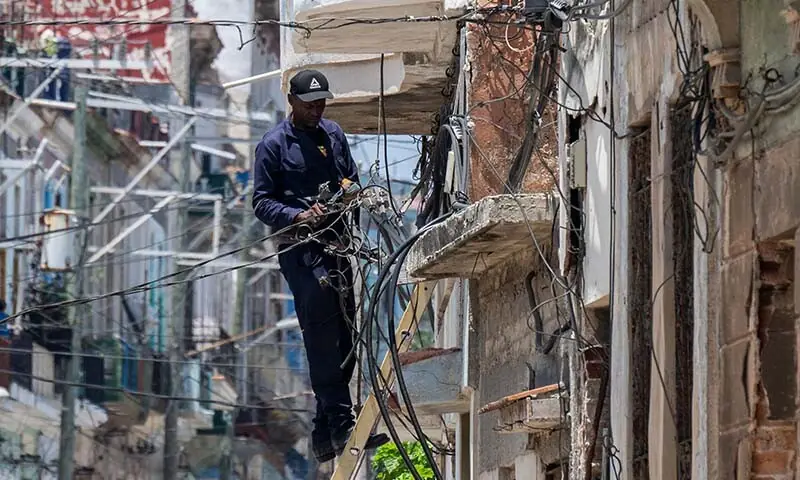
Cuba on Monday suffered its third nationwide power outage since the start of the year, the state electricity company said.
The impoverished island was already struggling to keep the lights on before US President Donald Trump imposed an oil blockade in January, which has depleted the already dwindling supply of fuel for Cuba’s power plants.
“There has been a total disconnection from the national electricity generation system,” the UNE power utility wrote on X, adding that it was “investigating the causes.”
The blackout is the eighth on the island of 9.6 million people since late 2024.
It comes as the state imposes increasingly draconian power cuts across the country — over 24 hours at a stretch in parts of Havana and over 70 hours in some rural areas – in an increasingly desperate attempt to conserve fuel.
Power outages have been a feature of life for years on the communist-run island, where the electricity generation system, composed mainly of ageing Soviet-era plants, is in shambles.
The pace of blackouts has accelerated since the fuel blockade began, however, with authorities citing a lack of fuel to run the generators that support the creaking national grid.
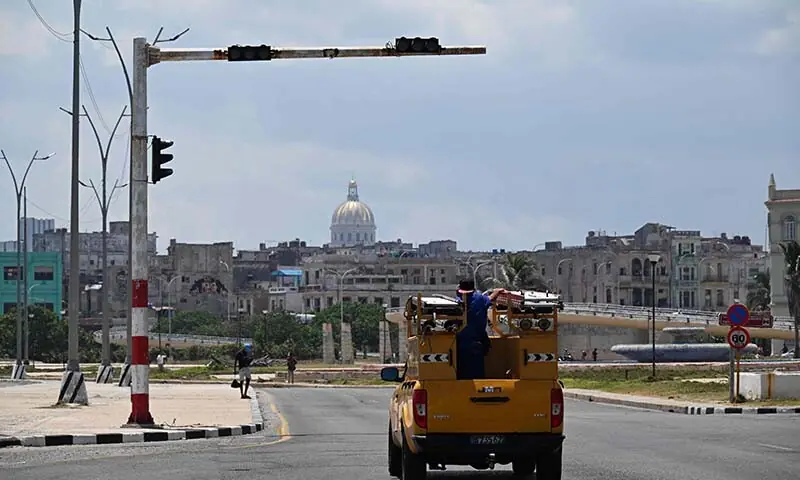
Since January, Washington has only allowed one oil tanker, from Russia, to dock in Cuba.
The blockade, coupled with a flurry of sanctions on the Cuban state and foreign companies that do business with it, has tipped the country closer to the brink of collapse.
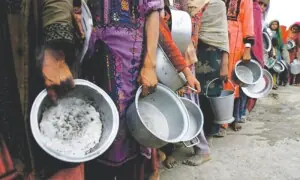
Food, drinking water and medicine are in increasingly short supply, prompting the United Nations to warn of a humanitarian emergency.
The government has invested heavily in solar energy to try and alleviate the electricity shortages, but solar power, while increasing, still represents just 10 per cent of the energy mix.
In March this year, a power outage struck most of Cuba, including the capital Havana. The country’s electricity union said it was working to restore services, and that the blackout affected the island from the central province of Camaguey to Pinar del Rio in the far west.
A thermoelectric power plant in eastern Cuba was online at the time and recovery protocols were activated.