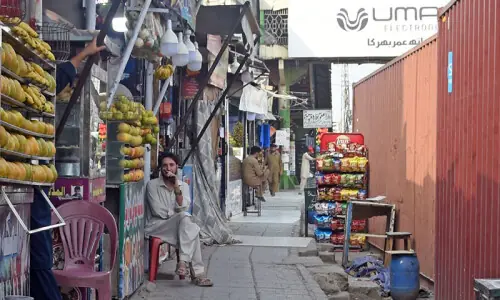
TAXILA: As the monsoon season gathers momentum, thousands of residents of Wah Model Town are once again preparing for flooded streets, overflowing drains and sewage-filled roads, exposing what they describe as years of official neglect and deteriorating civic infrastructure.
For residents of the densely populated private housing scheme, located within the jurisdiction of the Wah Cantonment Board along the historic Grand Trunk (N-5) Highway, the arrival of monsoon rains no longer offers relief from the summer heat.
Instead, they say, it marks the return of an annual crisis that disrupts daily life, threatens public health and leaves entire neighbourhoods vulnerable to urban flooding.
Despite its strategic location on one of the country’s busiest highways and its growth into a major residential and commercial centre, residents say Wah Model Town continues to suffer from inadequate drainage and sewerage infrastructure.
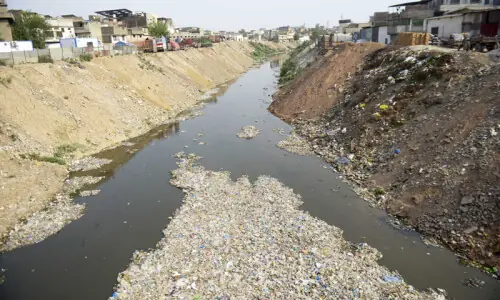
According to them, stormwater drains and sewerage lines in several parts of the locality have remained clogged, poorly maintained or blocked for years. Even moderate rainfall, they say, inundates roads and streets within minutes, hampering the movement of pedestrians, motorists, schoolchildren and emergency services.
The latest spell of rain again exposed the fragile state of civic infrastructure. Residents said roads disappeared beneath stagnant rainwater as blocked drainage channels failed to carry away runoff. They warned that continued inaction could result in property damage, electrical hazards, traffic disruption and outbreaks of water-borne diseases.
Local social worker Abdul Saboor said the situation is worsened by cattle farms in the adjoining Khanabad area. During rainfall, animal waste is washed onto nearby roads and streets, creating unhygienic conditions and posing environmental and public health risks for residents and visitors alike.
He said the problem affects a large population living in Phase-I, Phase-II and the Phase-I Extension of Wah Model Town, where hundreds of homes, markets and commercial plazas have been developed over the past three decades.
Another social worker, Ulfat Hussain, said the roots of the crisis go back to the early 1990s when the private housing scheme was established within the territorial limits of Wah Cantonment. While the developer sold residential and commercial plots and gradually withdrew from municipal responsibilities, residents continue to pay property taxes, transfer fees and other government levies without clarity over which institution is responsible for maintaining roads, drains and sewerage infrastructure.
Published in Dawn, July 6th, 2026