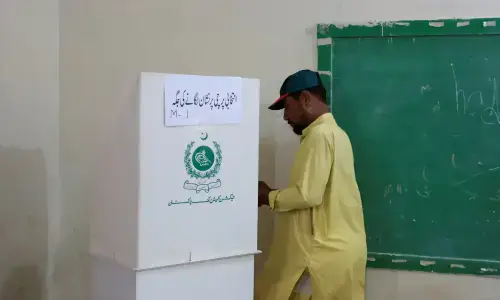
ACROSS the world, successful civic governance is made possible through effective, responsive local bodies, which are closest to the voter. However in Pakistan, the third tier is the most neglected within the structure of governance.
Interestingly, military strongmen have held regular LG polls under their watch, while supposedly democratic set-ups have dithered, creating various obstacles in the smooth functioning of local bodies. The third tier is again under the spotlight, with coalition partners PPP and PML-N taunting each other over the state of LGs in the provinces they rule.
PPP chief Bilawal Bhutto-Zardari had recently, in the National Assembly, dared the PML-N to hold LG polls in Punjab and Islamabad “within 90 days”. Punjab has been without an elected third tier since December 2021 due to frequent changes in the provincial LG law. In response, PML-N leader Saad Rafique said local polls should not be held in Punjab as per Sindh’s pattern. What has emerged from this verbal jousting is the promise from the Sindh government to hold local polls next year.
Beyond political bickering, the episode exposes the structural gaps that have prevented the holding of regular LG polls in Pakistan and, consequently, the establishment of effective local bodies running cities and towns smoothly.
Local elections cannot be held as per the whims of provincial ruling parties. There should be a clearly defined timeline for such polls, and well-defined criteria detailing the LGs’ powers. Though the Constitution’s Article 140-A does mention the LG system, experts are of the view that greater clarity is needed in the nation’s basic document to ensure that provincial governments cannot shirk their duty to hold regular polls. This can be achieved through a constitutional amendment.
Besides a firm election schedule, the powers of the LGs must also be defined. For example, while Sindh has held two local polls over the last decade, the provincial LG law leaves much to be desired. Key civic bodies — such as building control, solid waste management and water and sewerage — are managed by the provincial administration. Even the mayor of a megacity like Karachi is seen to be playing second fiddle to the provincial government and its bureaucracy.
For successful LGs in Pakistan, clear constitutional guidelines need to be complemented by progressive provincial LG laws that devolve power to the local level. Moreover, each jurisdiction requires tailored solutions — the civic problems of Turbat and Tando Allahyar are vastly different to what Lahore and Karachi experience. Additionally, each local administration must have the financial and administrative tools to resolve its own problems without having to plead its case before the bureaucracy.
All parties are guilty of blocking LG reform. They must set aside their narrow interests and work together to bring grassroots democracy to the tehsil and UC level.
Published in Dawn, June 29th, 2026