Lawmakers, experts urge Pakistan to prioritise human development, climate resilience
ISLAMABAD: Lawmakers and experts on Sunday urged Pakistan to prioritise human development, social protection and climate resilience to secure lasting economic stability and sustainable progress.
“While fiscal consolidation and macroeconomic stabilisation remain important policy objectives, sustainable economic progress cannot be achieved without adequate investment in education, healthcare and climate adaptation,” they said at a discussion on the federal budget 2026–27.
MNA Shaista Pervaiz had convened the consultation to give lawmakers and financial experts an opportunity to critically evaluate the budget through the lens of the Sustainable Development Goals (SDGs). The forum brought together members from across the political spectrum, including both treasury and opposition benches.
These sectors form the foundation of a productive workforce, resilient communities and inclusive economic growth.
Say country, currently the world’s fifth most populous country, is projected to reach a population of nearly 400 million by 2050
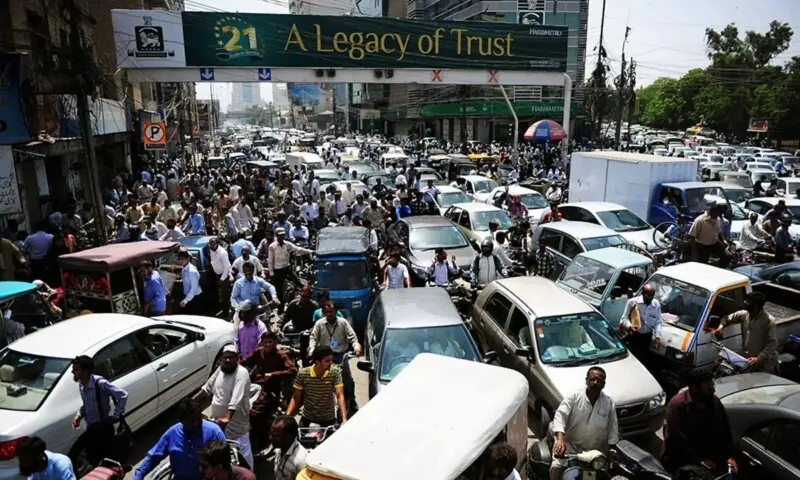
The speakers said Pakistan, currently the world’s fifth most populous country, is projected to reach a population of nearly 400 million by 2050. Without corresponding investments in human capital, public services and economic opportunities, this demographic trend risks placing unprecedented pressure on education systems, healthcare infrastructure, housing, employment markets and natural resources.
The lawmakers added that Pakistan’s commitments under the Sustainable Development Goals must be reflected in budgetary priorities and resource allocation decisions. Particular reference was made to SDG 3 (Good Health and Well-Being), SDG 4 (Quality Education), SDG 10 (Reduced Inequalities) and SDG 13 (Climate Action), which collectively require sustained public investment to achieve meaningful progress.
The participants observed that the relationship between population growth and public service delivery is well documented. Overcrowded classrooms, overstretched healthcare facilities, inadequate housing, water insecurity and limited employment opportunities continue to constrain development outcomes across the country.
Addressing these challenges requires strategic and targeted investment rather than short-term expenditure approaches.
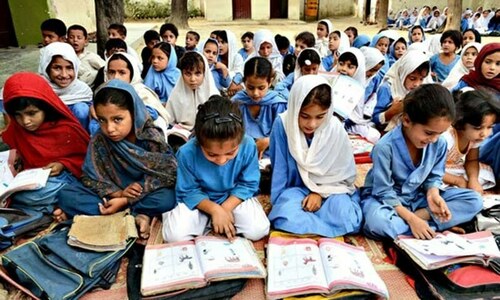
The discussion underscored the importance of investing in girls’ education, maternal and reproductive health and community-level service delivery mechanisms. These interventions were identified as among the most effective and internationally recognised tools for improving development outcomes, enhancing workforce participation, reducing poverty and supporting demographic stabilisation.
Climate resilience emerged as another critical area requiring greater policy attention.
The participants said Pakistan remains among the countries most vulnerable to climate-related shocks despite contributing minimally to global emissions. As climate-induced disasters increasingly affect livelihoods, agriculture, infrastructure and public health, investments in adaptation, disaster preparedness, water management and resilient infrastructure must become central components of development planning.
The speakers also highlighted the need to view expenditures on education, health and climate resilience not as competing with fiscal responsibility but as complementary to it. International experience demonstrates that countries investing consistently in human development achieve stronger economic performance, greater social stability and more sustainable fiscal outcomes over time.
The discussants showed a consensus that the federal budget should be regarded not merely as a financial statement but as a reflection of national priorities and future aspirations.
The participants said aligning budgetary decisions with Pakistan’s demographic realities, development needs and Sustainable Development Goal commitments was essential for ensuring inclusive growth, reducing inequalities and improving the quality of life of present and future generations.
Published in Dawn, June 22nd, 2026