'Most oppressed team’ Iran fight on at FIFA World Cup amid US restrictions
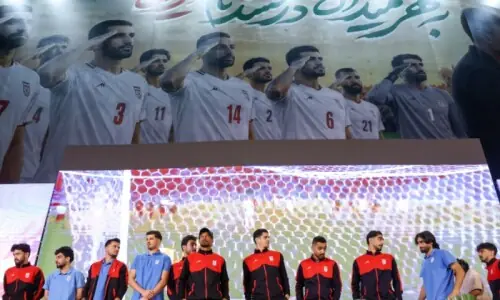
Iran’s remarkable 2026 FIFA World Cup campaign has become one of the tournament’s most compelling stories, with Team Melli keeping their knockout qualification hopes alive after holding Belgium to a scoreless draw on Sunday despite playing under extraordinary logistical constraints imposed by the United States.
The result left Iran unbeaten after two ‘Group G’ matches and firmly in contention for a place in the knockout stage, turning attention not only to their performances on the pitch but also to the challenges they have faced away from it.
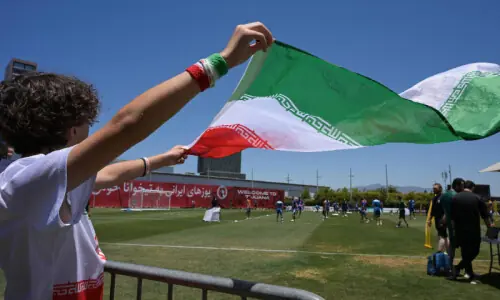
Based in Tijuana, Mexico, after being forced to relocate from Tucson, Arizona, because of US visa and security restrictions linked to the recent West Asia conflict, the Iranian squad has spent much of the tournament navigating obstacles that no other team has encountered.
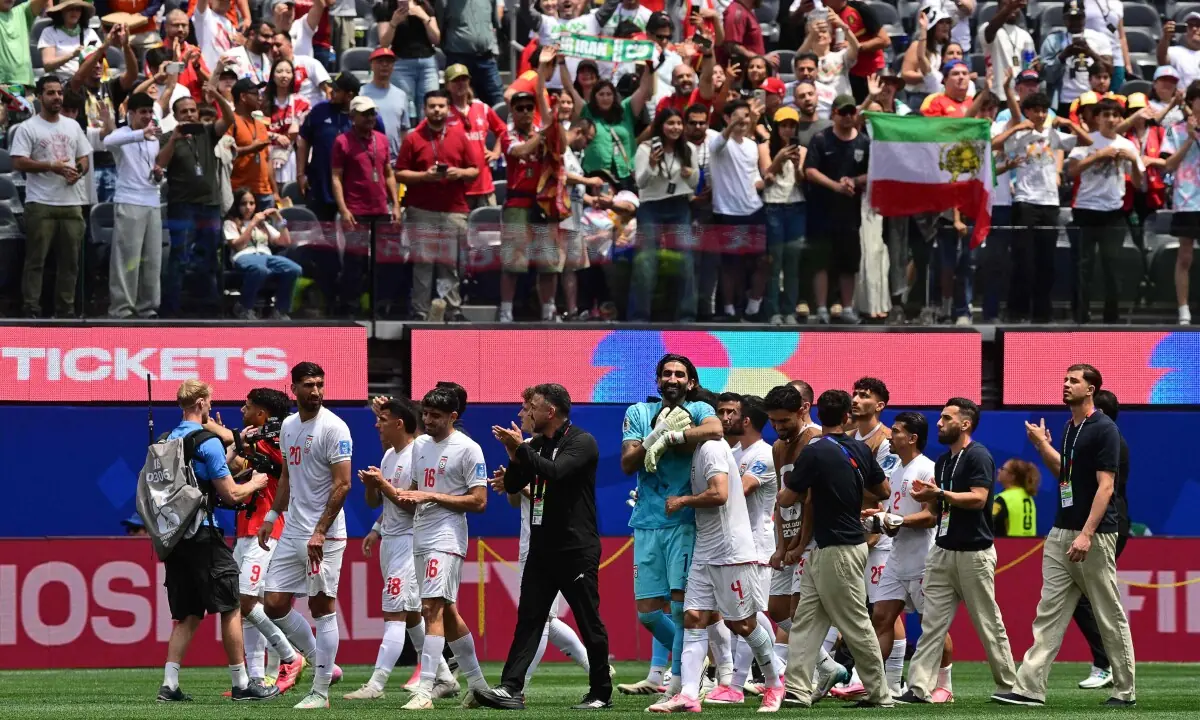
While Belgium arrived in Los Angeles with a star-studded squad featuring Kevin De Bruyne and Romelu Lukaku, Iran’s players entered the match after another round of cross-border travel and security procedures. Yet Team Melli emerged with a valuable point that reinforced their reputation as one of the tournament’s most resilient sides.
The challenges began well before kickoff.
Iran’s football federation moved the squad to Tijuana after US authorities raised security concerns and imposed strict visa limitations. Upon arrival in the border city, the team received a warm welcome from locals and Club Tijuana, whose facilities were made available for training.
Fans gathered for open sessions, providing a morale boost in contrast to the tensions across the border. However, US entry rules required the team to fly in — often the day before matches — and depart immediately afterward, typically returning to Tijuana the same night.
Captain Mehdi Taremi highlighted the toll after the opening 2-2 draw against New Zealand, noting that a short 127-mile charter flight from Tijuana to Los Angeles took five hours because of extensive security and immigration procedures.
Head coach Amir Ghalenoei voiced frustration after the match, saying the team was ordered to leave immediately rather than recover overnight.
“After the game today, they said to us, ‘You have to leave immediately.’ It’s very important for us to have time for recovery … we are really troubled by that,” he said.
He later described his squad as “the most oppressed team in the whole World Cup”.
The restrictions have created a clear competitive disadvantage. While other teams are based near venues, train locally and recover in host cities, Iran must cross an international border before and after every game.
The process involves repeated security procedures, disrupted sleep schedules, limited preparation time and no opportunity for matchday-plus-one recovery sessions. Some delegation members, including up to 15 staff members, were denied US visas altogether.
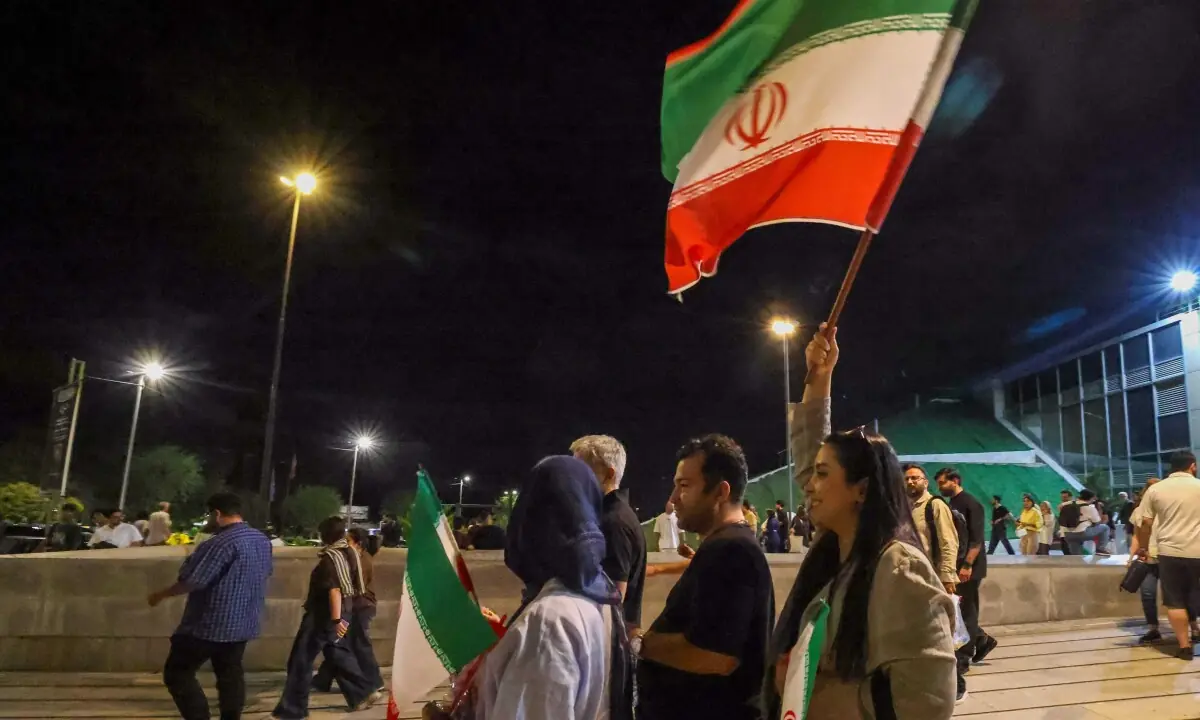
Player Mehdi Torabi was also required to visit the US consulate in Tijuana for a new visa during the tournament. Iranian supporters reportedly lost access to ticket allocations, further isolating the team.
In stark contrast, opponents such as Belgium have enjoyed standard host-nation privileges, including full access, training opportunities and logistical ease.
Although FIFA regulations generally require teams to travel the day before matches and return afterward, Iran’s situation has amplified those requirements because of political considerations. Other teams have not faced visa denials for key staff members or mandatory same-day departures.
The disparity has raised questions about fairness under FIFA statutes, which emphasise equal conditions for all participants.
Iran’s federation has announced plans to lodge a formal complaint with FIFA, arguing that the restrictions undermine competitive integrity.
“We don’t have that support and I think FIFA [has] to help us more than this,” one official said.
FIFA’s response, however, has remained muted. While the governing body has pledged fairness and reportedly intervened on certain issues, it has not overridden US security decisions or relocated matches as Iran had requested.
Critics argue that FIFA has failed to uphold the spirit of the host agreement, which typically requires host nations to provide equitable conditions for all competing teams. By allowing — or failing to challenge — targeted restrictions, FIFA appears to have prioritised geopolitical realities over sporting equity.
The US government has defended the measures as necessary security protocols amid lingering tensions, even as an interim peace framework with Iran progresses.
Andrew Giuliani, executive director of the White House FIFA Task Force, defended the arrangements, saying Iran had been informed in advance of the day-before-entry rules and that the Tijuana base actually reduced travel demands compared to a more distant US camp.
Officials have also emphasised that discussions remain ongoing regarding later matches, including a fixture against Egypt in Seattle, and noted that similar travel patterns occur for short-haul games.
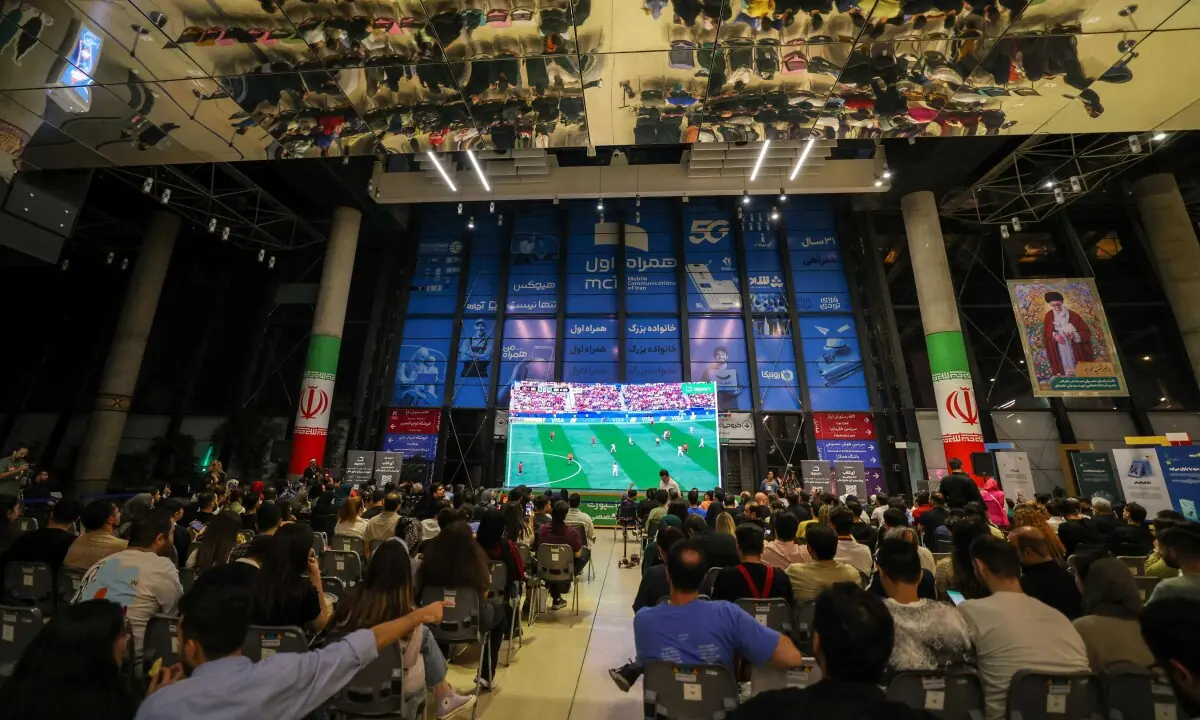
Critics contend that such arguments overlook the cumulative impact of enhanced security checks, denied visas and the absence of full delegation support — factors not applied uniformly to other teams.
Experts have weighed in sharply in recent days. Sports analysts and commentators have described the situation as an unprecedented politicisation of the tournament.
One observer noted the irony of a co-host nation effectively disadvantaging a participant through administrative barriers.
Human rights advocates and members of the Iranian diaspora have offered differing perspectives, with some criticising the Iranian government while others have condemned the treatment of the team as collective punishment.
Football governance specialists have highlighted potential breaches of host agreements, which require hosts to facilitate participation without undue interference.
As one expert put it, the arrangements place Iran at a “complete technical disadvantage”, forcing recovery during transit and fragmenting preparations.
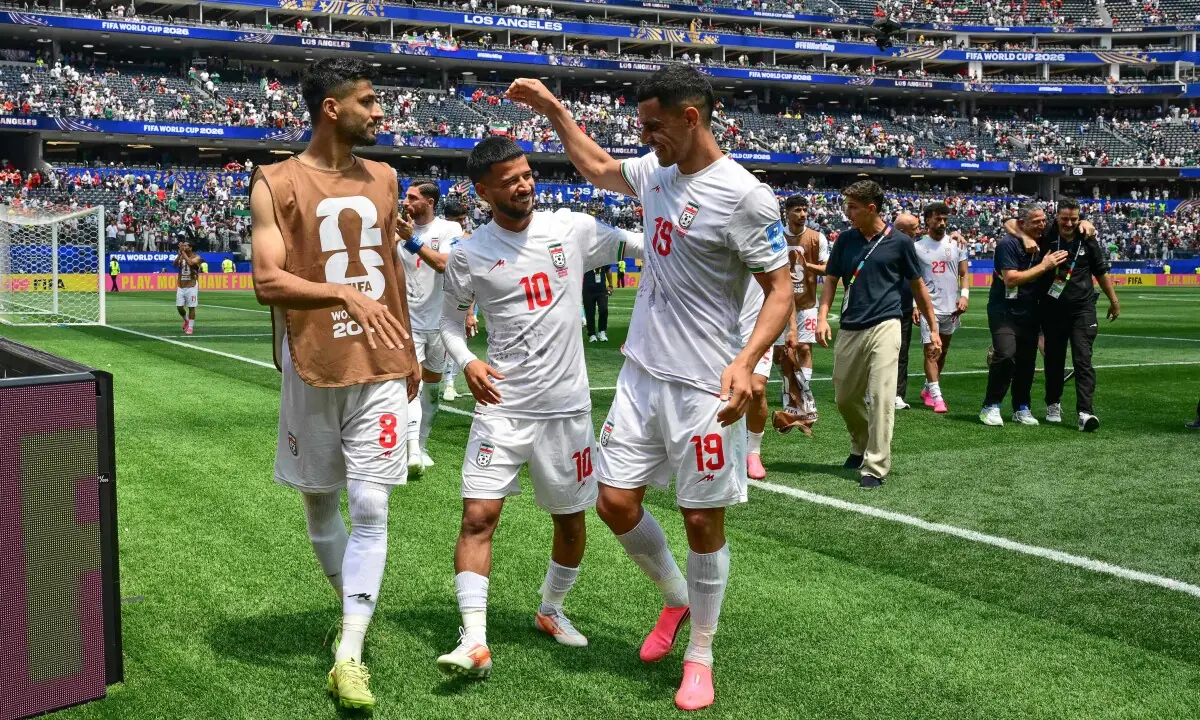
Despite the circumstances, Iran have delivered on the field.
The 2-2 draw with New Zealand showcased the team’s fighting spirit. Against Belgium — featuring stars such as Kevin De Bruyne, Romelu Lukaku and Thibaut Courtois — Iran held firm in a 0-0 draw, with goalkeeper Alireza Beiranvand producing a series of key saves.
The results have kept qualification hopes alive in a competitive group. Under Ghalenoei, Iran’s discipline and counter-attacking threat have earned widespread admiration, transforming logistical hardship into motivational fuel.
This World Cup may ultimately be remembered not only for its sporting drama but also for the extent to which politics intruded on the game, particularly in relation to the treatment of the Iranian team.
While organisers and FIFA continue to speak of unity and celebration, images of exhausted players boarding late-night flights back to Tijuana after giving everything on the pitch are likely to endure.
Football has long navigated geopolitical currents, but rarely have host-nation policies appeared to tilt the scales so visibly against a participant.
Should Iran extend their run into the knockout stages, their achievement would represent far more than a footballing upset. It would underscore the determination of athletes competing not only against opponents on the field but also against systemic obstacles beyond it.
As the tournament progresses, attention remains fixed on Team Melli — not merely for their results but as a case study in resilience.
In a competition intended to transcend borders, Iran have been forced to cross them repeatedly under difficult circumstances, yet have remained unbeaten in spirit. This chapter risks defining the 2026 World Cup as the tournament in which politics scored against fairness.
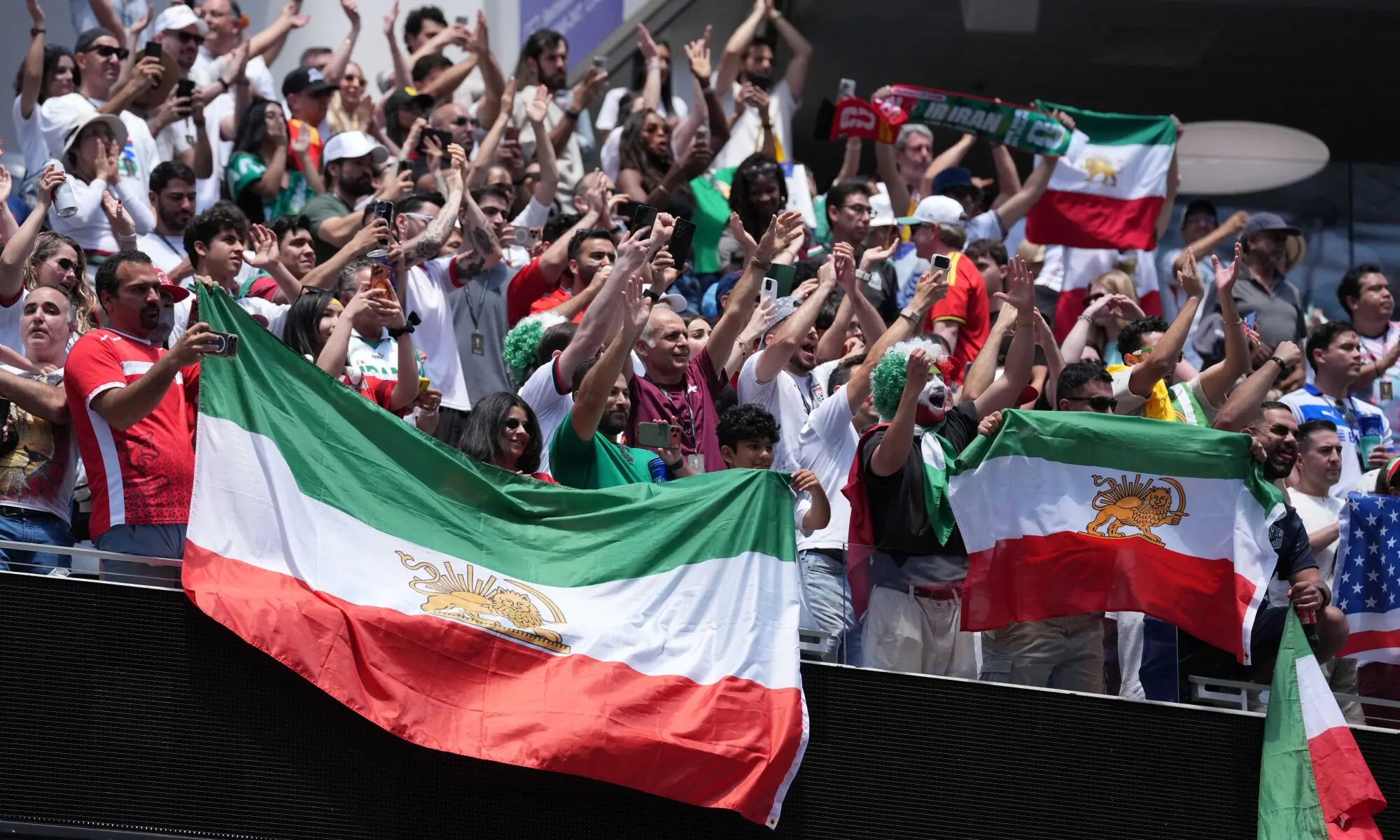
Header image: Iranian fans after the ‘Group G’ match between Iran and Belgium at the Los Angeles Stadium, Inglewood, California, US on Sunday. — Reuters
Mir Shabbar Ali is a sports reporter primarily covering cricket for Dawn. He tweets at @shabbar_mir