Pakistan sacrifices over seven million animals every Eidul Azha. Yet food banks and NGOs working in low-income areas say that the days right after Eid are actually when they receive the least donations, because everyone assumes the sacrificial meat is already reaching people. The truth is, it often does not.
Sometimes, people keep it for a deserving person or keep it in the freezers to distribute later, where it eventually gets forgotten. So, those of you who still have undistributed meat in the freezer, it is not too late to handover to shelter homes, domestic workers, labourers working at the construction site nearby, the guards in the street, etc.
The freezer mistakes
The biggest mistake most families make after Eid is taking out a large piece of meat, using half of it and putting the rest back in the freezer. The fact nobody knows or doesn’t bother to consider is that this act spoils the quality, the texture, the colour and taste of the meat; depending on how long it was kept outside. Bacteria that were inactive while frozen get time to wake up and do their thing.
To avoid all this, just remind your mum to thaw the meat in the fridge, not on the kitchen counter. Thawing in the fridge is a slow process, but it keeps the temperature controlled the whole time.
Best practice, before anything goes into the freezer after Eid, divide it into small portions, one meal’s worth each. That way, you defrost exactly what is needed and cook all of it.
The skin has its own story
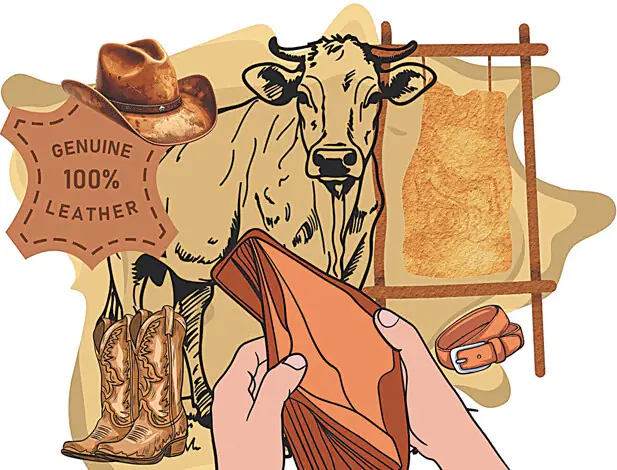
After the meat is distributed, there’s still the hide. Did you know that over 7.4 million animal skins and hides were collected across Pakistan after Eidul Azha in 2025?
That number sounds huge and hard to imagine until you realise that those hides feed Pakistan’s entire leather industry. Some of you may be wearing the shoes made from it or perhaps the new bag you are carrying, or the new belt or wallet your dad has bought, yes, a lot of that leather has Eidul Azha origins.
Hides from sacrificed animals are collected by tanners, processed into leather and sold. Charitable organisations and welfare groups often collect hides as donations and sell them to generate funds. It’s a significant revenue stream. In 2025, the estimated value of these hides collected was around Rs6.35 billion.
Published in Dawn, Young World, May 30th, 2026