Islamabad plans oil reserves, storage push
KARACHI: Pakistan plans to boost domestic storage for crude oil and refined products to increase its energy security, according to a government document that was shared with oil producers and some of the world’s leading trading firms.
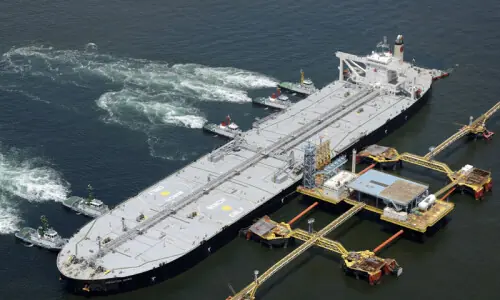
Despite depending on supplies through the Strait of Hormuz for up to 90 per cent of its oil and liquefied natural gas imports, Pakistan has no strategic petroleum reserves.
That has left it exposed to supply shocks provoked by the Iran war even as its lending programme with the International Monetary Fund limits room for costly state-owned emergency stocks.
According to the document reviewed by Reuters, the energy ministry is proposing to build strategic petroleum reserves as well as commercial storage through bonded terminals, refineries and oil marketing companies. It is also pushing for more oil and gas exploration and production, upgrades to its refineries and a consolidation of its downstream sector.
Govt plans to cut reliance on Hormuz imports
“Pakistan’s oil security requires both emergency reserves and stronger local supply capacity,” the ministry said in the document.
It shared the proposed framework with Saudi Aramco, Abu Dhabi National Oil Corp, Kuwait Petroleum Corp, QatarEnergy and PetroChina and oil trading firms Vitol and Trafigura and storage operator Vopak.
Trafigura, Vitol and Aramco declined to comment. The other companies and Pakistan’s petroleum ministry did not respond to requests for comment.
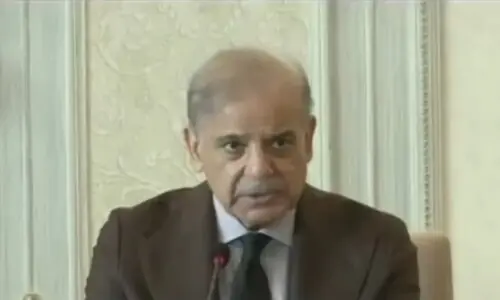
Petroleum Minister Ali Pervaiz Malik said last week that building reserves was “easier said than done,” especially for a country in an IMF programme with severe fiscal challenges, but added the government was trying to move quickly from planning to implementation.
Energy infrastructure
Under the bonded storage plan, international suppliers and traders would be allowed to hold petroleum stocks, creating commercial inventories that could support domestic supply during emergencies. The government could also allow companies to store fuel for re-export.
The document did not spell out details such as incentives, pricing, tax, foreign exchange, offtake or ownership terms, or whether companies would be expected to invest in storage infrastructure.
The ministry wants the bonded storage framework for suppliers to be finalised by June.
In addition to its lack of strategic reserves, the document cited constrained port infrastructure, limited ship-to-ship capacity and insufficient storage among Pakistan’s vulnerabilities.
The build-up of the government’s own strategic reserves would be paid for by a ring-fenced fund financed by Rs10 per litre from the existing levy on petroleum, with allocations to start on July 1. The document says that allocation would generate about $700 million a year.
Published in Dawn, May 27th, 2026