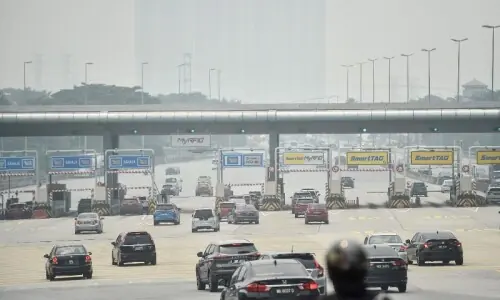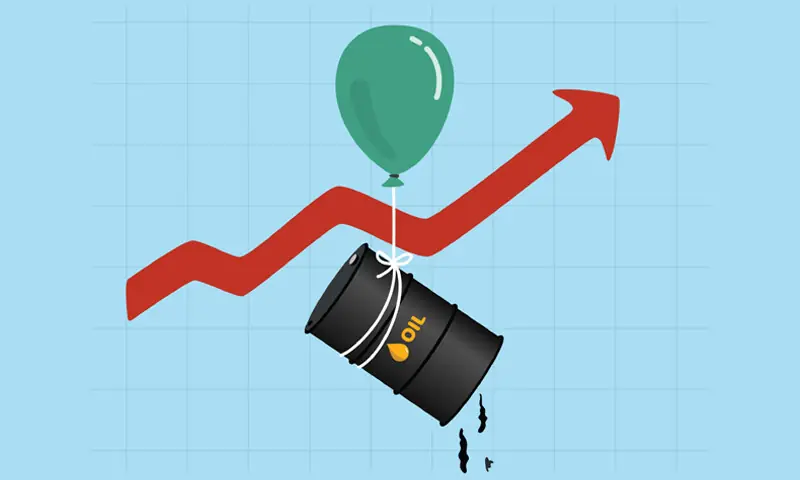
Irrespective of the outcome of the push for a negotiated, diplomatic settlement of the US-Israel war on Iran, one thing remains certain: Petrol prices are set to remain strong for some time to come.
Commercial oil inventories are falling rapidly and only have enough stockpiles left to meet global demand for a few weeks, Fatih Birol, the head of the International Energy Agency (IEA), told reporters recently. Global oil inventories have fallen “at a record pace” since the war began after markets drew a combined 246 million barrels in March and April, and the global reserves “are not endless”.
“Rapidly shrinking buffers amid continued disruptions may herald future price spikes ahead,” the IEA said.
Oil pundits are in unison; prices could soon rise convulsively, says The Economist. Some 2 billion barrels, or five per cent of the world’s yearly oil supply, have already been lost because the Strait of Hormuz is shut. Every day it remains closed, the deficit grows by 14m barrels. And, this counts.
JPMorgan predicted that commercial oil inventories in the developed world could “approach operational stress levels” by early June. Saudi Aramco is warning that global inventories of gasoline and jet fuel could reach “critically low levels” ahead of the summer.
Despite widespread concern over oil reserves, analysts expect inventories will not reach critically low levels, rather price spikes will curtail demand
The ongoing blockade of the Strait of Hormuz has stripped an unprecedented 1.2 billion barrels of oil from the global market, S&P Global Vice Chairman Dan Yergin warned on CNBC’s Squawk Box. This massive deficit marks the largest energy disruption in modern history. The shockwaves are actively draining emergency inventories and threatening to trigger operational paralysis across major global industries by early June.
“If the Strait remains effectively closed and commercial oil inventories in the Organisation for Economic Co-operation and Development continue to run down at the same pace as they were in April, oil stocks could reach critically low levels by the end of June,” wrote Jason Ma, citing Hamad Hussain of Capital Economics. He estimated that oil prices could top $130-140 a barrel next month if the strait remains closed and inventory depletion rates remain steady.
Swiss bank UBS is warning that oil inventories are approaching record lows, and “buffers have now largely been exhausted”. Product inventories would hit critical levels sooner in July or August, Rapidan Energy forecasted. The global economy would “seize up, with critical transportation infrastructure unable to source fuel at any price”, Rapidan analysts said in a May 7 note.
But inventories are very unlikely to reach these critically low levels, analysts said. Instead, oil and product prices will spike to curtail demand, which will cause “a severe economic contraction”. That is likely to happen before 3Q26, the Rapidan analysts stated.
Markets are in flux, as President Trump keeps changing his position, and oil market sentiment reacts accordingly. Investors reduced their bullish petroleum position to its lowest since the first week of the war as ceasefire talks between the United States and Iran continued, a small number of tankers were allowed to exit the Strait of Hormuz last week and the week before, said John Kemp in his note to subscribers.
After letting the waiver on Russian oil sales expire, the US had to reverse its decision. The market scenario forced it to do so. Last week, the US Treasury Secretary Scott Bessent announced a 30-day extension for countries to import Russian oil already on tankers at sea to reduce the oil supply shortages.
The closure of the Strait of Hormuz has curtailed oil exports from Saudi Arabia, the United Arab Emirates, Kuwait, Iraq, and Iran. Oil markets will take a long time to recover from this supply shock once the Strait reopens, with the recovery period extending the longer it remains closed. That means the price will remain elevated even if the Strait reopens tomorrow.
One issue hindering a return to normal will be the time needed to restart oil wells that oil companies had to shut in as above-ground storage terminals reached capacity. Wood Mackenzie estimates it will take some of Iraq’s southern oil fields almost nine months to get back to 85pc of their pre-war production levels.
The other issue is the need to rebuild global oil inventories, which will take even more time. For example, IEA member countries are releasing 400m barrels from their emergency stockpiles, which they will need to replenish once the supply picture improves.
LNG exports from Qatar could take more than a year to get back to normal. Its Ras Laffan LNG infrastructure was badly damaged and will need time to restart at optimal levels. This has repercussions for Pakistan, which is highly dependent on LNG imports from Qatar.
These factors suggest that oil prices will remain elevated long after the Strait of Hormuz reopens. While higher oil prices are creating some demand destruction, consumption remains well above supply. That trend could persist for months even after the Strait of Hormuz reopens, suggesting crude prices will remain high. Goldman Sachs’ base case is that Brent will average $90 a barrel during the fourth quarter, if exports from the Persian Gulf normalise by the end of June.
All this means that crude prices will likely remain elevated well into 2027. The market will recover from the ‘largest shock ever faced by them’ only slowly. It is not to be an ‘on and off’ situation. For Pakistan and its economy, the ride ahead will be rough.
The writer is an energy analyst and has delivered talks at the Department of Energy in Washington and the International Energy Agency.
X: @rhusainsyed
Published in Dawn, The Business and Finance Weekly, May 25th, 2026