ISLAMABAD: Pakistan has moved to significantly liberalise its genetically modified organisms (GMO) regulatory regime by approving major amendments to the Pakistan Biosafety Rules 2005, including simplifying licensing procedures and facilitating laboratory research in universities and the private sector.
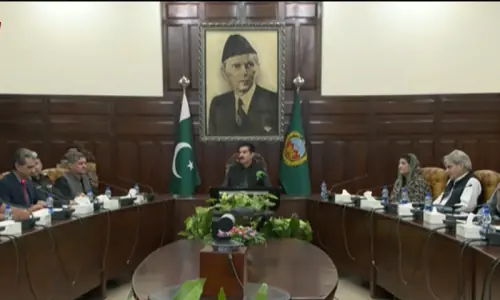
The development was announced on Sunday by Ministry of Climate Change and Environmental Coordination, which said amendments had been recommended for cabinet approval during a meeting of the National Biosafety Committee (NBC) held in Islamabad under the chairmanship of the ministry’s secretary.
A statement issued by the ministry said the meeting was attended by senior officials, including the director general of the Pakistan Environmental Protection Agency (Pak-EPA), along with technical experts and members of the biosafety regulatory framework.
Mohammad Saleem Shaikh, spokesperson for the by Ministry of Climate Change and Environmental Coordination, said the reforms would have far-reaching implications for Pakistan’s edible oil and poultry industries, which heavily relied on imported genetically modified soybean and canola for food, feed and processing purposes.
One of the key changes was the removal of the “sunset clause” imposed in 2024 that allowed GMO imports only until Jan 17, 2027. Under the proposed amendments, imports of GMO grains such as soybean and canola will continue without a cut-off date, the official said.
The revised rules also formally recognised new gene-editing technologies and granted greater autonomy to institutional biosafety committees (IBCs) at universities and private research institutions to approve student-based laboratory research projects.
Saleem Shaikh said the move aimed to promote science-based research and reduced bureaucratic hurdles in biotechnology innovation.
Pakistan’s biosafety regime currently operated through a multi-tier committee system to ensure compliance with the Cartagena Protocol on Biosafety. The amendments sought to streamline the structure and decision-making powers of these committees to ensure faster approvals and reduce delays.
Another major reform relates to the licensing process for GMO grain imports. Under the new framework, multinational biotechnology companies will be allowed to directly apply for licences for specific GMO events. Once approved by the NBC, the licences will be published on the Pak-EPA website, enabling private importers to import approved GMO grains without seeking separate licences, the ministry’s spokesperson added.
Officials at Pak-EPA believe the move will reduce the cost of doing business and encourage investment in the edible oil extraction and animal feed sectors.
“Pakistan’s biosafety regime is precautionary and rigid to some extent. We are trying to make it more open, science-based and business-friendly,” said Dr Mohammad Rauf, national programme manager of the Pakistan Biosafety Clearing House at Pak-EPA.
Commenting on the reforms, Mohammad Saleem Shaikh said the amendments reflected Pakistan’s transition towards a modern and innovation-driven biosafety governance system.
“These reforms are designed to balance biosafety safeguards with scientific progress, food security and investment facilitation,” he said, adding that in a climate-stressed world facing rising food insecurity, Pakistan needs efficient and science-based regulatory systems that encourage innovation while ensuring safety and transparency.
Officials said Pakistan was also studying international models, particularly Canada’s biosafety framework, to further modernise its regulatory system.
Published in Dawn, May 25th, 2026