Chinese firm plans $500m export facility
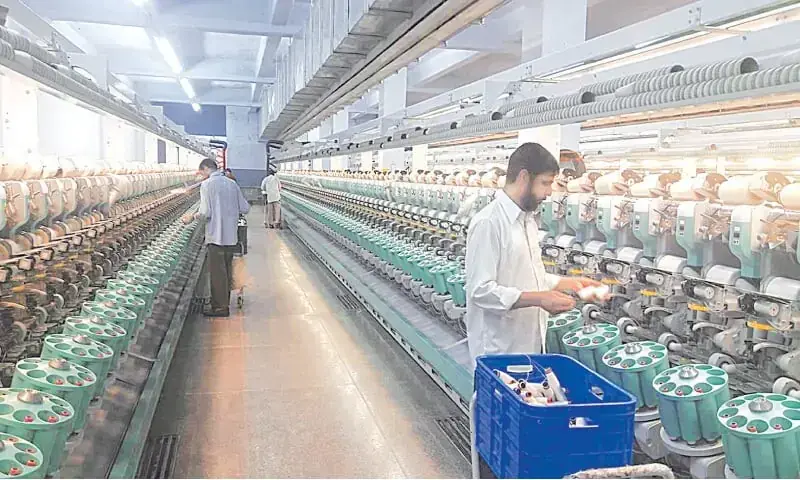
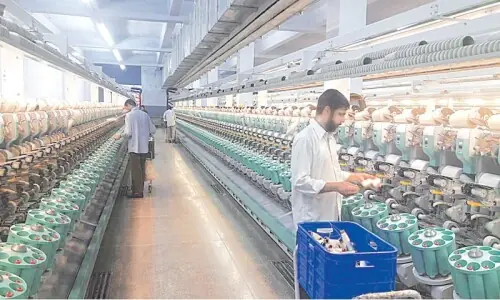
ISLAMABAD: A leading Chinese company is establishing a large-scale manufacturing facility in Pakistan, with the potential to generate annual exports of $400 million to $500m and create up to 20,000 local jobs, reflecting renewed investment interest as the country seeks to boost industrial output and external earnings.
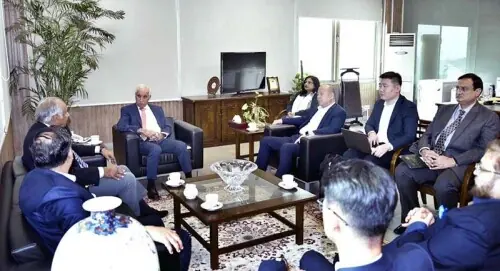
This was disclosed on Wednesday by a Chinese business delegation, led by Challenges Fashion Chairman Huwang Weiguo and Challenge Apparel CEO Ms Karen Chen, with Commerce Minister Jam Kamal Khan.
Both sides discussed investment in export-oriented manufacturing, industrial facilitation, tariff rationalisation, and broader Pakistan-China economic cooperation.
An official announcement said the delegation briefed the minister on the progress of their ongoing industrial project in Pakistan, sharing plans for significant expansion in manufacturing capacity, employment generation, and export growth.
Mr Huwang informed the minister that the company is establishing a major manufacturing facility under international production standards, with the first phase expected to be completed later this year.
He shared that the long-term expansion plan envisions one of the largest industrial operations of its kind, with the potential to create up to 20,000 employment opportunities and generate annual exports of approximately $400-500m.
The delegation highlighted Pakistan’s strategic advantages, including its skilled workforce, and geographic position linking regional and international trade routes. The investors expressed confidence in Pakistan’s industrial potential and expressed growing interest among Chinese businesses in expanding their presence in the country.
The delegation also raised specific operational requirements relating to specialised industrial construction materials and inputs that are currently not manufactured locally and that need to be imported to maintain international manufacturing and safety standards.
The minister invited the delegation to formally submit details of specialised products not produced locally, along with relevant tariff classifications, so the ministry could examine the matter within the ongoing tariff rationalisation framework.
Separately, Mr Kamal held a detailed, wide-ranging meeting with Chinese Minister-Counsellor Yang Guangyuan to discuss strengthening bilateral trade, industrial cooperation, agricultural modernisation, logistics connectivity, supply chain resilience, and emerging investment opportunities within the broader framework of the Pakistan-China strategic economic partnership.
A major focus of the discussion remained Pakistan-China industrial cooperation, particularly in electric vehicles (EVs), renewable energy, battery manufacturing, and advanced industrial technologies.
Published in Dawn, May 14th, 2026