Digital technologies redraw Vietnam’s jobs landscape


 0
0
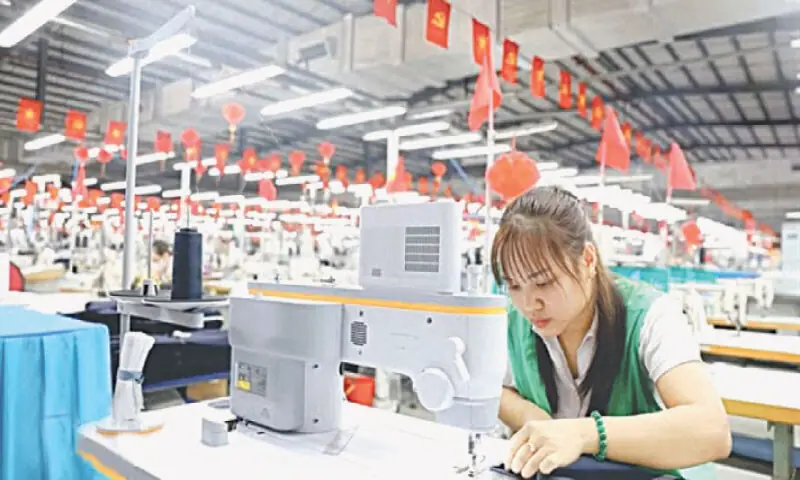

HANOI: The rapid advance of digital technology, particularly generative artificial intelligence (GenAI), is reshaping Vietnam’s employment structure.
As millions face changes in job content, the labour market is undergoing sectoral shifts while demanding urgent upgrades in skills, job quality and policy adaptation.
Vietnam’s labour market is entering an accelerated transition under digitalisation and AI. According to the International Labour Organisation (ILO), about 11.5 million workers — one in five — are in jobs potentially affected by GenAI.
Rather than mass job losses, the dominant trend is job transformation. Routine tasks are increasingly automated, while workers move towards roles requiring higher cognitive, creative and interactive skills.
Only around one million workers (under two per cent) are at risk of full automation, lower than in many regional peers, indicating a shift towards restructuring rather than displacement. Still, the scale of change underscores the urgency of reskilling and job transition.
Impacts vary across sectors. Finance and insurance, wholesale and retail, and information and communications are among the most affected, while administrative roles face particularly high exposure, with nearly two-thirds of positions at risk of partial automation.
Proactive governance to harness AI
Sinwon Park, Country Director of the ILO in Vietnam, noted that the country stands at a critical juncture to leverage generative AI as a driver of productivity and decent work. To ensure a positive transition, she stressed the need to strengthen AI governance in line with labour standards, invest in workforce skills, ensure workers’ participation in AI adoption, support responsible AI use among small and medium-sized enterprises, and establish safeguards to ensure an inclusive and equitable transformation.
Gender disparities are notable, with women more exposed to affected roles (24.1 per cent versus 17.8pc), highlighting the need to integrate gender considerations into policy. At the same time, AI can enhance productivity and create new job models, particularly in sectors like retail.
Published in Dawn, May 11th, 2026