Cotton stocks at ‘lowest ebb’ ahead of ginning season


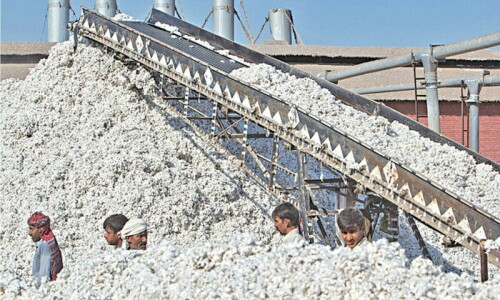
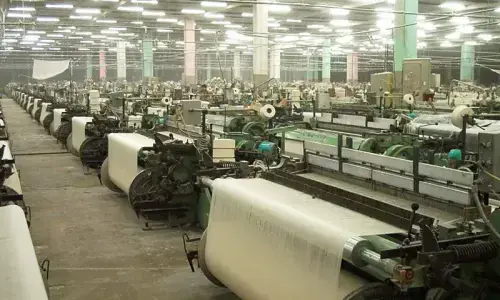
LAHORE: The cotton sector is facing an unprecedented supply crisis as stocks in the country have reportedly fallen below 10,000 bales before the start of the new ginning season, raising fears that some textile mills may partially shut down in the coming weeks due to cotton shortages.
It is perhaps the first time in the country’s history that cotton inventories had dropped to such critically low levels ahead of the new crop season.
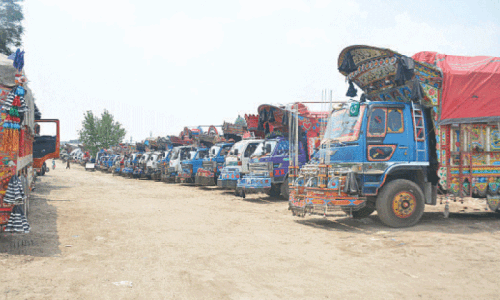
The closure of the Pakistan-Afghanistan border earlier prevented nearly 500,000 cotton bales from entering Pakistan from Afghanistan, while the subsequent US-Israeli-launched war against Iran disrupted cotton imports, worsening supply problems for domestic textile mills.
As a result of this, cotton prices surged during the past week to Rs22,000 per maund and up to Rs23,500 per maund on deferred payment.
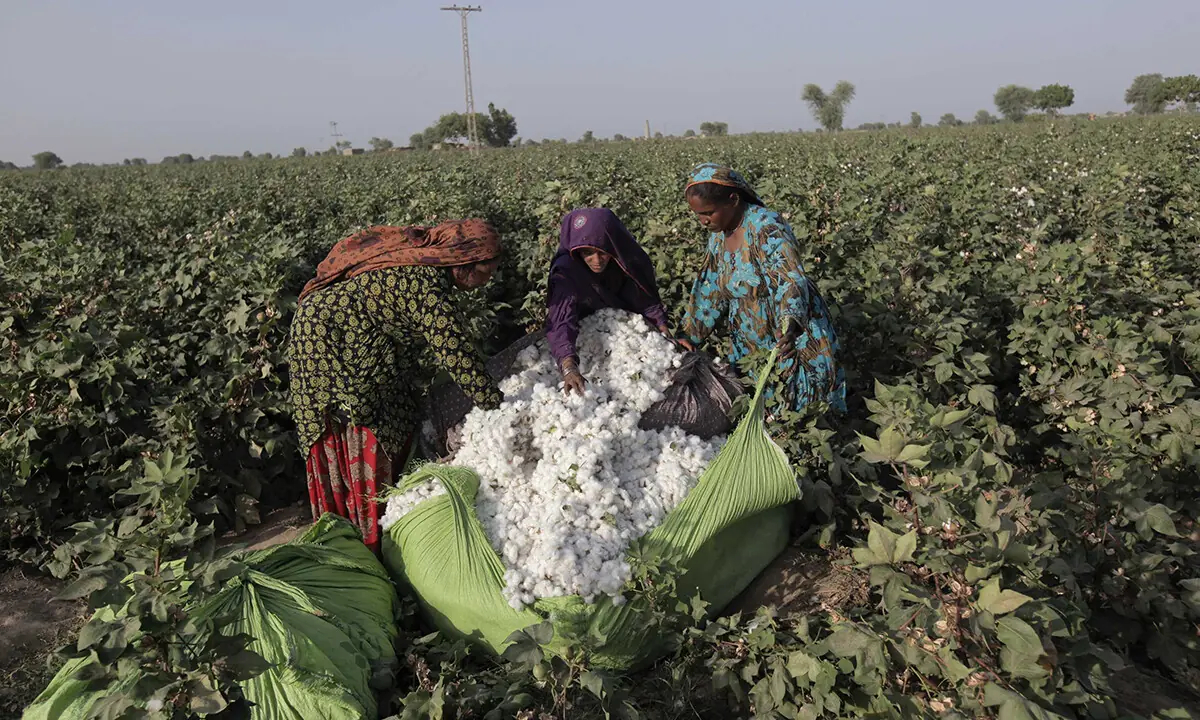
The new cotton ginning season in the country is expected to begin immediately after Eidul Azha, while full-scale arrivals of the new crop would likely start in the third week of June, bringing relief to textile mills through improved cotton availability.
Cotton Ginners Forum Chairman Ihsan ul Haq has stressed the need for emergency measures to make the country self-sufficient in cotton production, particularly by imposing a complete ban on sugarcane cultivation in designated cotton zones.
He has argued that such measures could significantly reduce cotton and edible oil imports, saving billions of dollars annually in foreign exchange.
Referring to regional developments, he said India had to import large quantities of cotton this year due to extraordinary exports of cotton yarn to China. Following that situation, the Indian government had allocated over Rs56 billion for a major cotton production enhancement programme from 2026-27 to 2030-31.
The Indian initiative aims to develop high-yield, climate-resilient and extra-long staple cotton seed varieties, while more than 2,000 ginning and processing factories across India would also be upgraded.
The programme targets increasing India’s annual cotton production to 49.8 million bales by 2031.
Likewise, New Delhi has also earmarked over Rs17 billion to compensate farmers if cotton market prices fall below officially announced support prices.
Meanwhile, cotton sowing is currently underway in most cotton-growing regions of the country and growers are facing a sharp rise in agricultural input costs, particularly diesel, electricity and fertilisers.
DAP fertiliser prices have climbed to a historic high of Rs16,000 per bag, while urea prices have gone up to Rs4,500 per bag. Lower fertiliser usage due to rising costs could reduce per-acre cotton yields, potentially lowering overall national cotton production below expectations and forcing Pakistan to once again rely heavily on cotton and edible oil imports.
Published in Dawn, May 11th, 2026