Climate risk could make Pakistan, India uninvestable: expert


 0
0
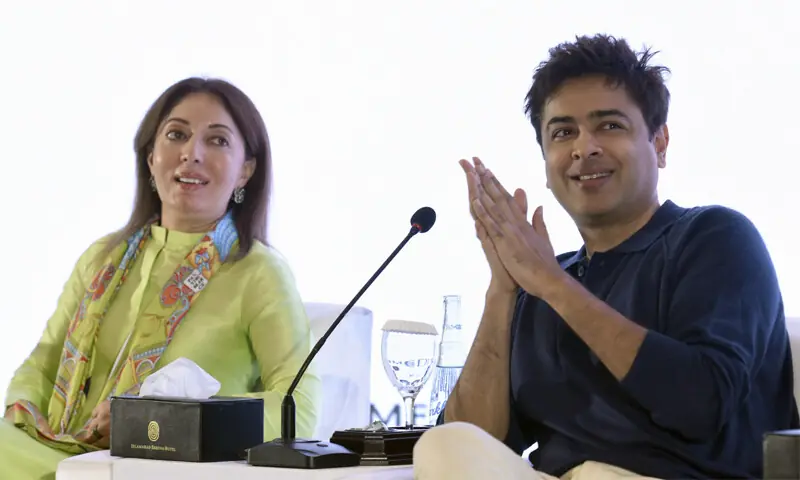

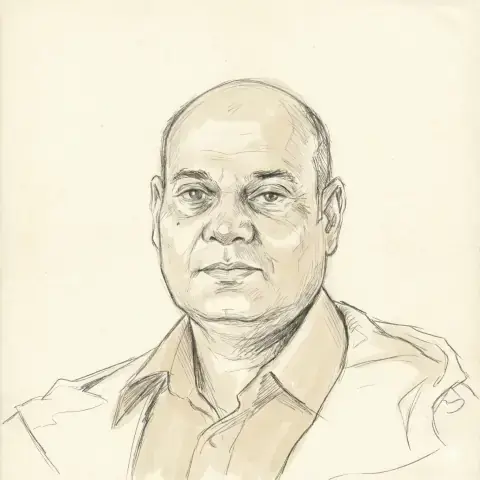
ISLAMABAD: A senior official of the corporate sector regulator on Thursday warned at the Breath Pakistan -- International Climate Change Conference -- that countries like Pakistan and India could become un-investable because of climate risk around water.
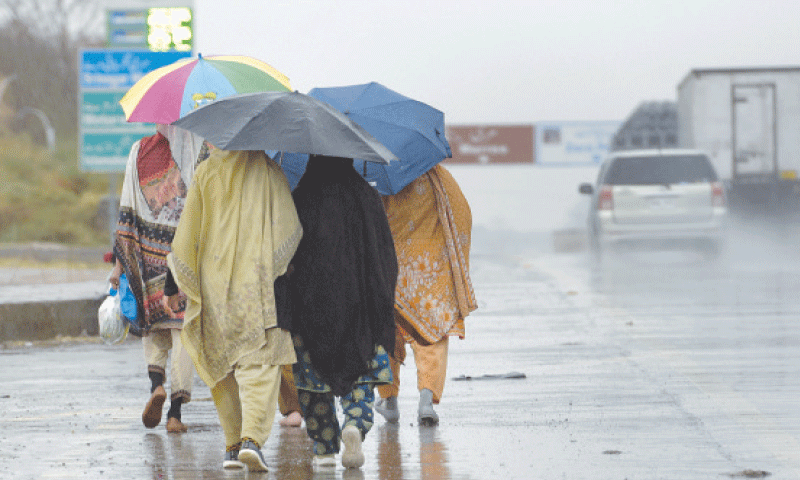
Ali Farid Khawaja, Commissioner Securities and Exchange Commission of Pakistan (SECP), said that in the next 50 years, investments could become too risky in many countries, including Pakistan and India, due to climate change and unpredictability of the weather conditions.
He asserted that the discourse on climate change, especially in the financial market, needed to shift from just mechanical reporting and scoring to incorporating the risks in fundamental research.
“This means when you are forecasting the revenue, forecasting the cost-rate, the overall GDP growth and inflation numbers, the climate outcome will be directly incorporated in those forecasts,” Mr Khawaja added.
He was speaking at a session, “From CSR to Climate Leadership: Mobilising Pakistan’s Private Sector.”
Mr Khawaja said CSR was treated as an extra cost and there was a problem with that approach because it leads to green washing.
He said Environmental Impact Assessments (EIA) should be “core” of business structure.
The SECP commissioner added that by 2031, all public companies, whether listed or not, will be mandated to report on their environmental, social and governance (ESG) framework. The first deadline for certain companies has been set at 2029.
A panel discussion at 10th session, titled ‘Why climate action should make business sense? was moderated by Nadia Rehman, member Board of Trustees, SBP’s Climate Risk Fund.
Speaking on the occasion, Dr Faisal Hashmi from Coca-Cola Pakistan & Afghanistan, highlighted his company’s initiatives for water conservation.
“Whatever water we are using for our product, we are giving more water back to the community and nature,” he said.
Mr Hashmi explained that since 2015, the company had replenished 100 per cent water used in finished products globally, and in Pakistan treated water was used by the company’s plants and even communities.
“With the help of sustainable development and technology, we are using minimum water that needed treatment,” he added.
Najeebullah Khan, Deputy Director Zong, said that during the 2022 floods, Zong was the first operator to restore the network within 14 days.
“We were the first ones to get the network up in affected areas.”
Noting that Pakistan was heavily affected by monsoon rains and subsequent floods, Zong teams on the ground worked to protect and secure network and also helped the local communities.
He also highlighted the usage of technology to reduce fossil fuel consumption, adding the company had installed 10 MW of solar power, reducing 1.4m litres of fuel consumption as around 85 per cent of Zong’s telecom towers were equipped with lithium batteries.
Fahd Chinoy, CEO Pakistan Cables, warned of copper shortage in future due to the transition towards clean energy, suggesting there could be a mismatch in the terms of demand and supply.
Renewables and EVs demand significantly more cabling. For instance, an EV uses about 85kg of copper, which has multiplied the demand for it.
He noted that the gestation period of copper mines was 17-18 years as it was deeper in the ground. Copper is already trading at an all-time high, however, Pakistan, being a mineral-rich country and with some of the largest copper mines in Balochistan, could turn this into an opportunity, he added.
Mohammad Raza of Meezan Bank said banks were actively working towards promoting product innovations and developments regarding climate actions.
“The green bonds are in action and with the passage of time, these actions are now becoming mandatory,” he noted.
But he cautioned against “green-washing”, where projects were presented as green without knowing whether they actually were sustainable.
Ziad Bashir, director Gul Ahmed Textiles, said producing electricity was not the job of companies but they were doing so because the government was not efficient or they had too many systemic losses.
“These inefficiencies are passed on to us, in losses, in transmission, everything is passed on to the manufacturer, how much can the manufacturer absorb?” he said.
At the same time, he criticised the imposition of carbon levies in Pakistan, stressing that the nation cannot afford to make expensive mistakes.
Published in Dawn, May 8th, 2026