Here is how you can protect yourself from extreme heat


 4
4
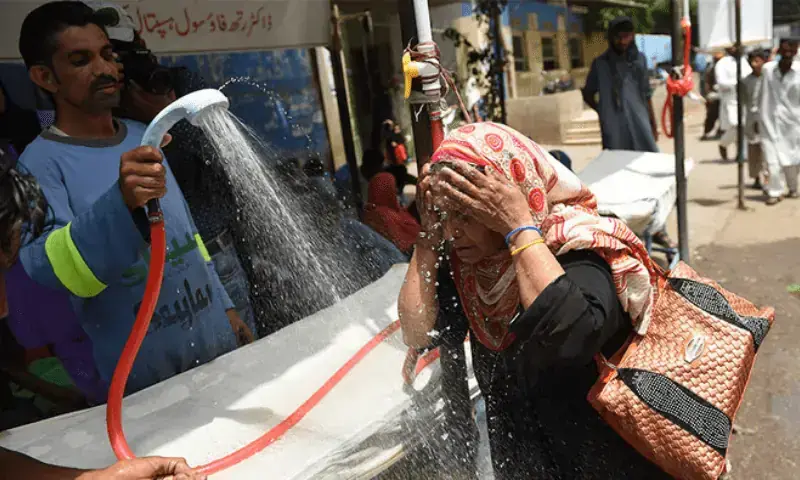

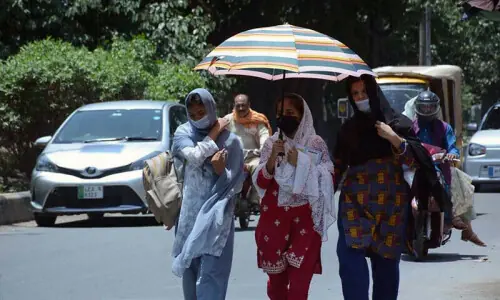
On Monday, citizens in Sindh’s provincial capital, Karachi, experienced sweltering temperatures as the mercury touched 44°C.
The Pakistan Meteorological Department (PMD), in its daily advisory on Monday, said that very hot and dry weather is expected to persist in the southern parts of the country over the week.
As of 4pm, the temperature in Karachi stood at 44°C with a relative humidity of 8 per cent and a feel-like temperature of 40°C.
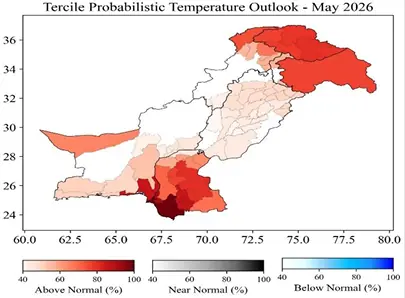
Meanwhile, according to PMD’s May outlook, mean temperatures are expected to remain above normal nationwide, which could “increase the potential for heat spikes and heatwave conditions, especially over the plain areas of Punjab, Sindh and Balochistan”.
Heat extremes can worsen health risks from chronic conditions (cardiovascular, mental, respiratory and diabetes related conditions) and cause acute kidney injury, according to the World Health Organisation (WHO).
As per WHO estimates, the frequency of extreme heat and heat waves is expected to rise in the coming years due to climate change, increasing the risk of heat exposure and illness.
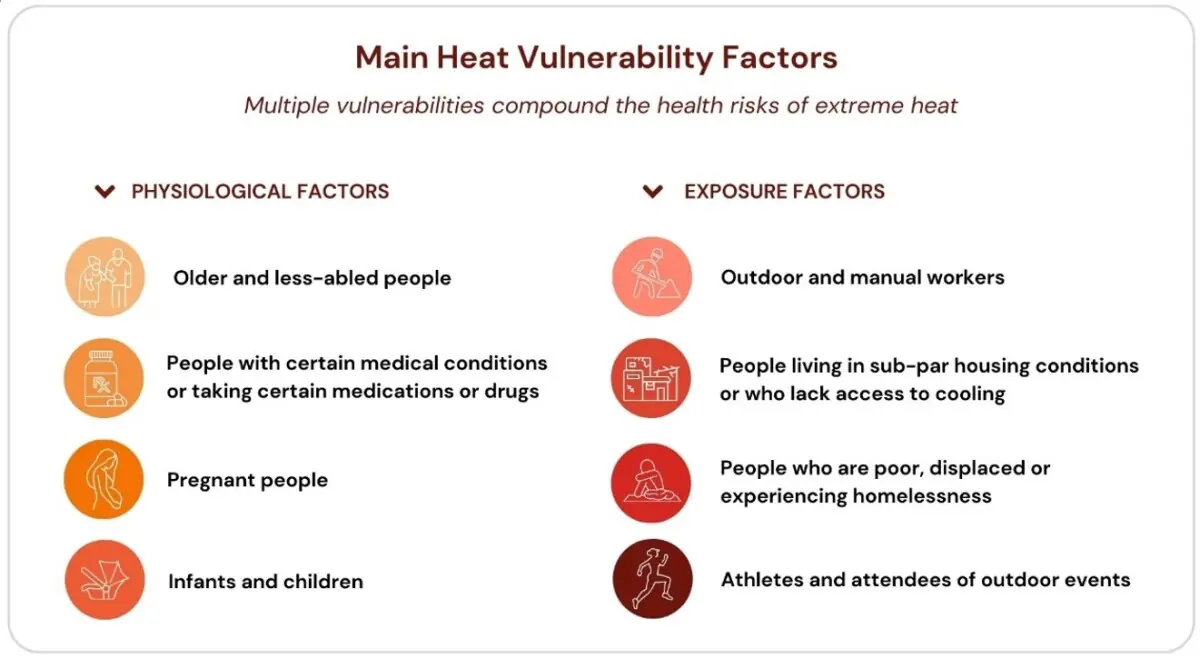
Here is how you can protect yourself and your loved ones from the rising temperatures, according to the guidelines issued by the WHO.
- Avoid going outside and doing strenuous activity during the hottest time of day.
- Stay in the shade when going out and avoid direct exposure to the sun.
- Make sure to spend at least two to three hours in a cool place throughout the day.
- Open windows after dark to use the night air to cool down your home, and cover them with blinds to block direct sunlight during the day.
- Keep your body cool and hydrated, taking cool showers or baths or wet your skin using a damp cloth, spray or wet clothing.
- Use light and loose-fitting clothing and bed linens.
- Make sure to stay hydrated. Drink at least two to three litres of water per day.
- Wear wide-brimmed hats, sunglasses, and sunscreen to protect your skin from the sun’s rays.
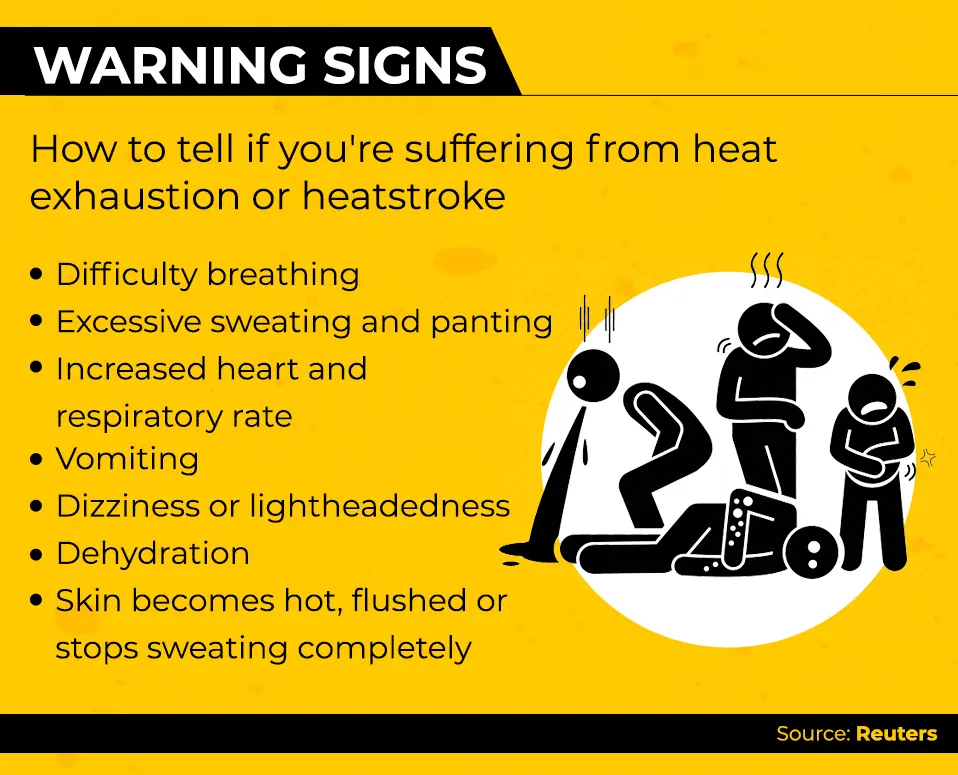
What to do in case of heatstroke
In case of heatstroke, the WHO advises that one should immediately call for emergency medical help, use any available means to cool the person down and keep a close eye on their condition.
Signs of heatstroke can include feeling faint, dizzy or nauseous, stopping sweating, or losing consciousness.