Govt urged to reduce tax on milk
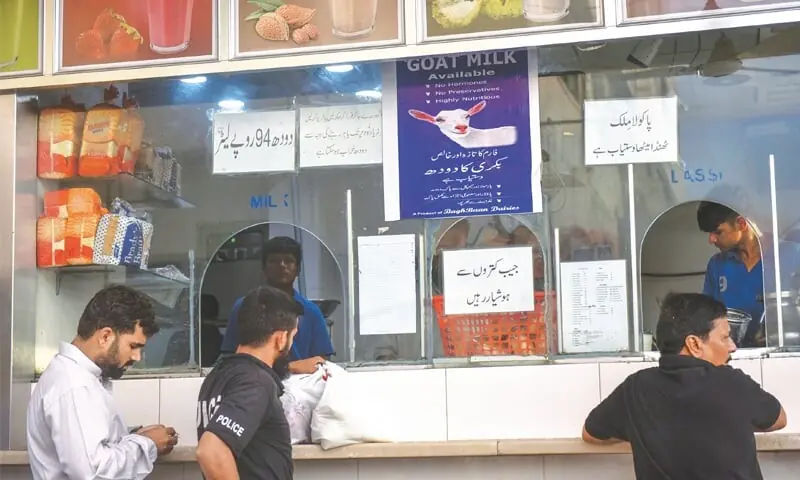


ISLAMABAD: At a pre-budget consultation on structural reforms in the dairy sector, the government was urged to reduce the general sales tax on milk as safe milk is essential for child development.
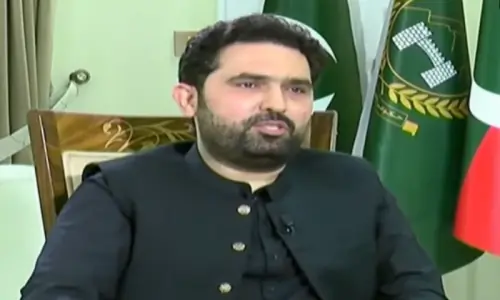
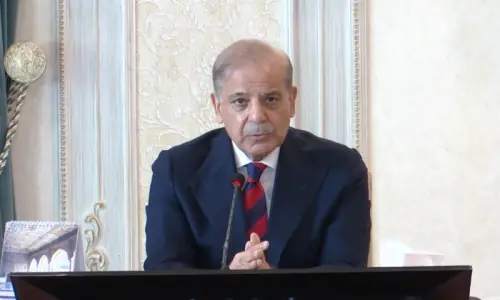
Minister for National Food Security and Research Rana Tanveer Hussain, while participating in the consultations, organised by the Sustainable Development Policy Institute and the Pakistan Dairy Association, claimed that reducing GST on milk was not difficult and called for tax rationalisation and structural reforms to boost the dairy sector.
Dairy association chairman says 18pc GST led to 27pc decline in dairy sector
These measures would improve affordability and ensure safe nutrition besides supporting farmers across the country.
Safe milk cities proposal
He said proposals, like pilot projects for pasteurisation and the establishment of ‘safe milk cities’, were under consideration. Improving milk quality and formalising the sector would be key priorities going forward, he added.
According to the minister, livestock accounts for nearly 60 per cent of the agriculture sector and holds significant potential for both domestic nutrition and exports. He acknowledged that taxation policies, particularly sales tax on dairy products, affected production and growth. “Softening of tax regime can help increase both production and revenue,” he suggested.
In his welcome remarks, SDPI Executive Director Dr Abid Qaiyum Suleri suggested multiple taxation scenarios and called for placing processed milk in a ‘third schedule’. He warned that rural milk collection centres were shutting down since the pricing of processed milk directly hits loose milk markets.
Public health
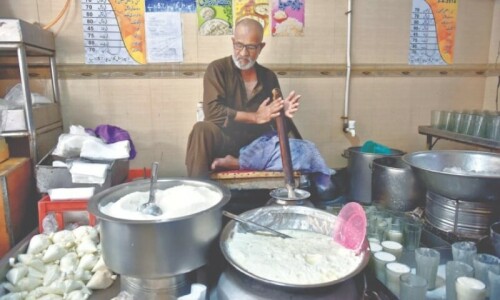
Pakistan Dairy Association Chairman Usman Zaheer Ahmad highlighted that 40pc of children in Pakistan suffered from stunting due to malnutrition, despite milk being the most widely consumed animal protein. The sector remains 98pc informal, with limited quality controls, he said.
He warned that 18pc GST in 2024 caused a 27pc decline in the formal dairy sector. He proposed reducing GST to 10pc and bringing part of the informal economy into the tax net, which could generate up to Rs250 billion in revenue.
Global Alliance for Improved Nutrition (GAIN) Country Director Farrah Naz said malnutrition costs Pakistan around 3pc of GDP annually, with over 40pc of children under five stunted.
She advocated reducing GST on milk from 18pc to 5pc. She also stressed the need for strengthening formal dairy systems, expanding processing capacity, and utilising by-products.
Published in Dawn, May 4th, 2026