After long wait, Centre fixes prices of 35 new essential drugs



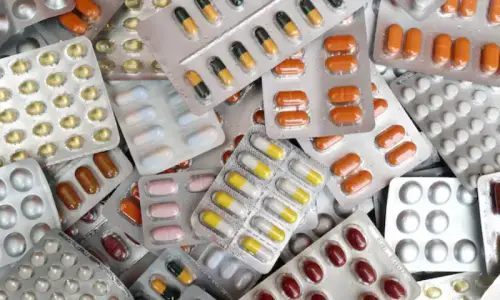
KARACHI: The federal government has approved the long-awaited price fixation of 35 new essential and life-saving medicines, with another 45 molecules expected to be cleared shortly, in a move aimed at ending critical shortages that had disrupted treatment for patients across Pakistan, a senior official and industry sources said on Sunday.
The official said the decision would improve the availability of several high-priority therapies that had remained inaccessible due to prolonged delays in price fixation, forcing patients to either go without treatment or depend on costly and often unregulated smuggled medicines.
According to the official, Health Minister Syed Mustafa Kamal took up the matter at the highest level, presenting the case before the cabinet and briefing Prime Minister Shehbaz Sharif on the urgency of ensuring access to critical medicines.
Apparently, the government believed it was perceived as a price increase and so it deferred the matter multiple times during the last two years until the case was pleaded by Kamal.
Another 45 medicines expected to be cleared soon; move aims at ending shortage of critical molecules
“The prime minister was told that delays in price approvals are not only disrupting supply chains but also putting lives at risk, particularly in cases requiring uninterrupted treatment,” said the official.
The medicines affected by the delay, he said, included a wide range of critical therapies such as oncology drugs, transplant medicines, cardiovascular treatments and vaccines, including Typhoid Vi, polio and pneumococcal vaccines.
“Other essential products impacted by the delay included recombinant human coagulation factor VIII, human rabies immunoglobulin and semaglutide, among others,” he added.
The official maintained that the non-availability of these medicines had created serious gaps in treatment, especially for patients suffering from cancer, haemophilia, severe infections and chronic conditions. In many cases, patients were left with no option but to procure medicines through informal channels, exposing them to risks related to quality, safety and efficacy.
PPMA hails move
The Pakistan Pharmaceutical Manufacturers’ Association (PPMA) welcomed the government’s decision, calling it a timely intervention to address acute shortages of essential medicines.
In a statement, the association appreciated the leadership of PM Shehbaz, the health minister, other members of the federal cabinet and the Drug Regulatory Authority of Pakistan for resolving what it described as a long-standing issue affecting patient care.
For the past two years, the PPMA said, the industry had repeatedly highlighted that delays in price fixation approvals were restricting the availability of essential medicines, including new molecules and advanced treatment options, thereby limiting therapeutic choices for healthcare providers.
The association noted that the shortages had not only disrupted the formal supply chain but had also led to increased reliance on smuggled and unregulated medicines, posing serious risks to public health.
Terming the latest move a “turning point” for the healthcare system, the PPMA said the decision would help restore the availability of critical therapies, improve clinical outcomes and reduce dependence on unsafe alternatives.
For over the last two years, the government had been putting off the fixation of prices of essential medicines. In February 2024, the then caretaker government lifted price controls on non-essential medicines under its deregulation policy. Last month, the government decided to continue its policy of deregulating medicine prices.
It had decided that the deregulation policy would continue to govern the pricing of non-essential medicines, while essential and life-saving drugs would remain under government price controls. Industry sources had said the shortages were largely linked to delays in the official notification of prices for essential medicines.
Published in Dawn, April 27th, 2026