0
0
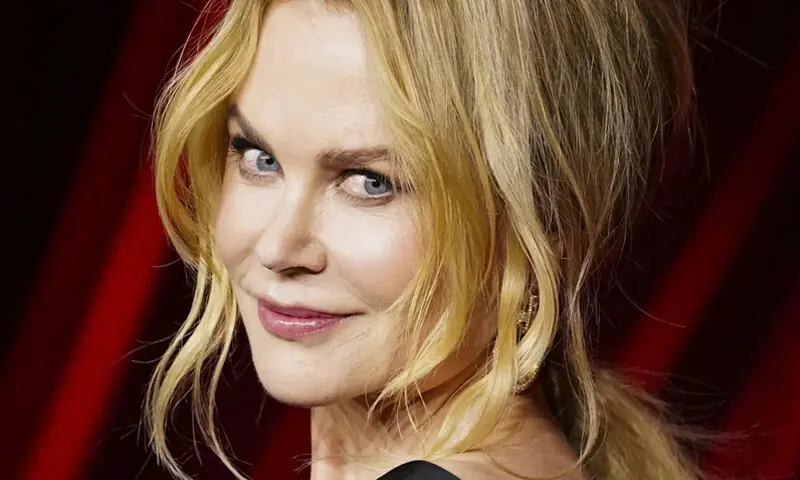
Last week, Nicole Kidman revealed that she is training to become a death doula. She told an audience at the University of San Francisco it “may sound a little weird”, but she was inspired after her mother died in 2024.
Observing how her family wasn’t able to provide the support they hoped they could, Kidman wished there were “people in the world that were there to sit impartially and just provide solace and care.” This is how she came to explore the field of death doulaship.
The concept of a doula is often familiar: you might have heard of a birth doula, who supports a family through pregnancy. A death doula works in a similar capacity, as a community partner offering support to the dying.
There is no singular definition for doulas, but those within the field often describe their work as a “holding space” for their clients. They act as a neutral third-party, working between the family, end-of-life care professionals and funeral professionals.
Actor Nicole Kidman says she is training to be a ‘death doula.’ But what exactly is a death doula?
Though there are training programmes that offer certifications for death doulas, their work varies widely depending on the preferences of the doula and the type of assistance sought by the client.
You may have even acted as a death doula within your own community, aiding the dying or their loved ones without the official title.
A new model for dying
Dying, death and funerals were once a sacred communal process taken care of by a family in the comfort of their home. As death became institutionalised, medicalised and professionalised over the late 19th and early 20th centuries, loved ones were pushed to the wayside, as they did not have the proper training to care for the dead in the eyes of the industry.
By the mid-1900s, the family parlour was no longer the central meeting spot to lament over mortality, and the funeral industry, as we understand it today, was in full swing. This shift slowly gave way to a host of paraprofessionals. Death doulas and death midwives, an ancient practice, re-emerged in the early 2000s.
Stemming from the Greek term ‘δούλα’, meaning ‘female servant’, doulas serve as community helpers in liminal periods, most commonly birth and death. They seek to fill the gaps that medical and funeral personnel are unable to attend.
Not everyone who acts in this role calls themselves a “death doula.” They are also known as soul guides, compassionate companions and vigilers, among other titles.
I volunteered, researched and worked in thanatology — the study of death and dying — for over a decade before completing my death doula training. The hands-on experience I gained working with death before my training programme was crucial in shaping my ability to communicate about mortality.
Most people want to talk about death, but they’re faced with the conversation too late. In their most vulnerable hour, the dying and their loved ones are expected to make impossible decisions with little guidance. That’s where death doulas come in.
Easing the burden
Kidman said, “As my mother was passing, she was lonely, and there was only so much the family could provide.” While many family members are elected as surrogate decision-makers throughout the end-of-life process, it is common that they feel highly uncertain about the choices they’re making.
The assistance and support of third-party advocates, like death doulas, help ease the burden on family members and offer a neutral perspective during a vulnerable period.
I came into this work because I experienced deaths at a young age, and I understood my capacity to deal with death. Similarly to Kidman, many doulas I have interviewed came to the work after a loss of their own, with a newfound desire to share what they learned through their experience to help others in an inevitable time of need.
Death doulas can specialise their work, electing to work with pets, stillbirths, children, cognitive decline and many other types of loss. Some doulas may enter work with a client years before a death, working on more administrative tasks like advanced care planning. Others may join right before a death occurs, focusing on sitting by a bedside. A third doula may specialise their work around funeral planning, coming in to help facilitate an at-home funeral.
No two doula practices are identical, just like no two deaths are identical.
If you are wondering if you should join a death doula training programme, my response would be that increasing your death literacy is always beneficial, but there are many ways to get a death education.
Before diving in, explore what is drawing you to the profession and if you want to do this work for others or if you are seeking the knowledge for yourself. Both are wonderful motivations, but they could lead to different outcomes in the type of programme you choose to attend or the kind of death education you seek.
We’re all going to die, and it’s never too soon to start talking about it.
The writer is a Phd Candidate, School of Engineering, DeathTech Research Team at the University of Melbourne in Australia
Republished from The Conversation
Published in Dawn, ICON, April 26th, 2026