UNDP, Japan partner to boost climate resilience


 0
0

• $400,000 initiative targets flood-hit communities in south Punjab
• Year-long project to build readiness, focusing on women, youth
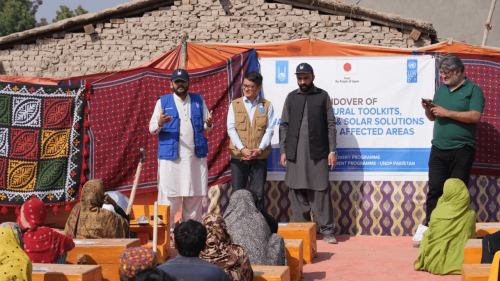
ISLAMABAD: The United Nations Development Programme (UNDP) and the Japanese government are launching a project to strengthen community resilience and disaster preparedness in Pakistan with a $400,000 contribution from Japan.
The initiative will be implemented as part of the UNDP’s broader support to recovery and resilience efforts in Pakistan, in collaboration with national and provincial partners, the Japanese embassy announced on Monday.
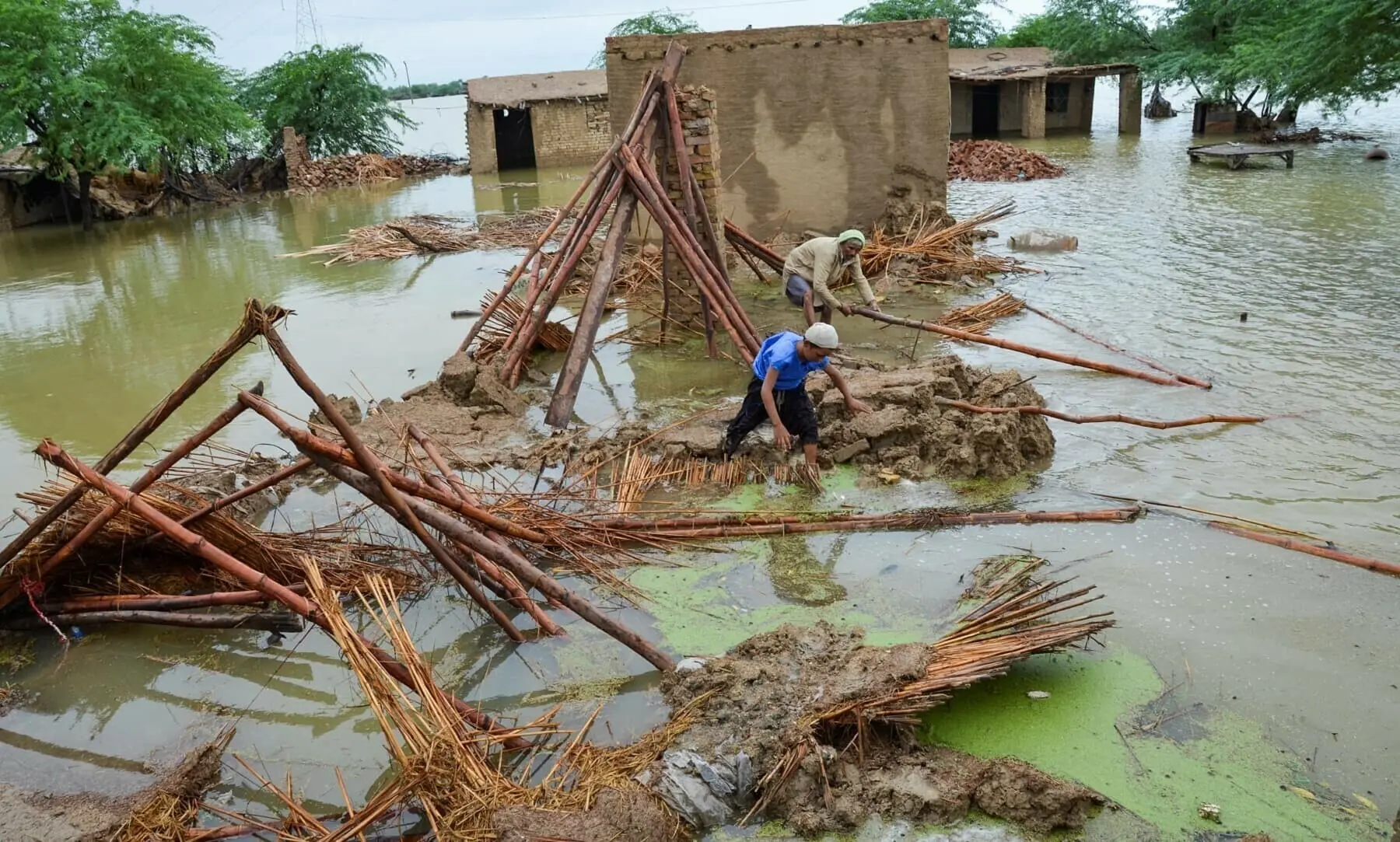
The 12-month project will focus on strengthening community-based disaster preparedness in flood-affected areas of southern Punjab.
It is expected to directly benefit 3,000 people, particularly youth and women, by increasing their capacity to anticipate, prepare for, and respond to climate-related risks.
Key activities will include training community members in early warning dissemination, preparedness planning, and first response coordination.
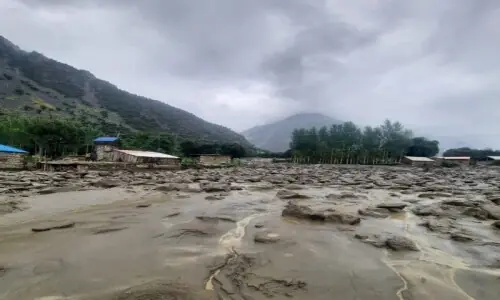
Pakistan continues to face increasing risks from climate-induced disasters, including recurrent flooding, which have affected millions and caused significant damage to livelihoods and infrastructure. These impacts further compound existing vulnerabilities, particularly among communities already facing socio-economic challenges.
“Japan remains committed to supporting Pakistan in building resilience against natural disasters,” Japanese Ambassador Akamatsu Shuichi said at the project launching ceremony in Islamabad.
“Building resilience is not only about responding to disasters,” UNDP Resident Representative in Pakistan, Dr Samuel Rizk, said. “It is also about strengthening the systems and capacities that help communities anticipate and withstand shocks, and recover from them over the long term.”
Published in Dawn, April 21st, 2026