PAKISTAN’S top civil and military leaders are currently engaged in hectic shuttle diplomacy, crisscrossing capitals in order to prevent the US-Iran ceasefire from collapsing, while hoping to bring both foes back to the table to seal a workable deal. Most of the international community is closely watching these efforts, hoping for a breakthrough that would allow calm to return to the Middle East, and prevent a global economic meltdown due to the war’s impact on world trade.
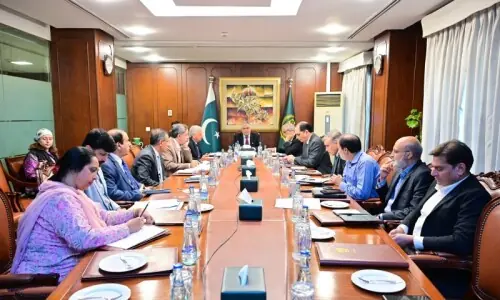
The prime minister was in Qatar on Thursday after visiting Saudi Arabia a day earlier, and will head to Turkiye from Doha. Meanwhile, the chief of defence forces was in Iran, meeting top officials. The Americans are obviously in the loop, as Pakistan’s leadership has reportedly been relaying messages between Washington and Tehran, while keeping key Arab and other Muslim capitals briefed on discussions. Although US President Donald Trump had indicated that the next round of talks was imminent, the Foreign Office spokesman has said that no dates had been finalised.
The fact that US and Iranian delegations met last week in Islamabad is no small feat. Pakistan’s deft diplomacy has been appreciated across the spectrum, with the UN, the US, Iran and other foreign powers all hailing its sincere efforts to end this devastating conflict. The White House press secretary, in fact, called Pakistan “incredible mediators”.
It is a testament to Pakistan’s diplomatic skills and foreign policy expertise that all sides involved have a significant level of trust in the country’s abilities. The Iranians feel comfortable with Pakistan, while the US president has often expressed his appreciation for its civil and military leadership.
Moreover, Saudi Arabia, Qatar and most other Arab states on the front lines of the conflict have very close relations with Pakistan, and realise that Islamabad will keep their views in mind. However, despite Pakistan’s best efforts, the ultimate end to this war will rely on decisions taken in Washington and Tehran, with the onus on the US — as the instigator of this conflict — to bring it to a swift close.
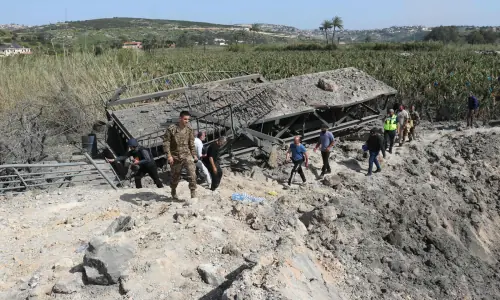
Despite the positive vibes, mistrust remains high between the US and Iran, while Israel will undoubtedly make every effort to scuttle a lasting deal. Before Mr Trump announced a 10-day truce yesterday, Israel had been pounding Lebanon mercilessly. Iran had insisted that the truce cover Lebanon as well; seemingly the move indicates Washington’s seriousness to take the process forward and keep the Iranians on board. Yet continued threats, such as those delivered by the US war secretary to Iran on Thursday, will hardly create optimal conditions for dialogue. There are great expectations that the proposed second meeting in Islamabad will deliver a peace deal. The opportunity must not be lost.
Published in Dawn, April 17th, 2026