IHC restrains CDA over tree-cutting on Ataturk Avenue, seeks response


 0
0
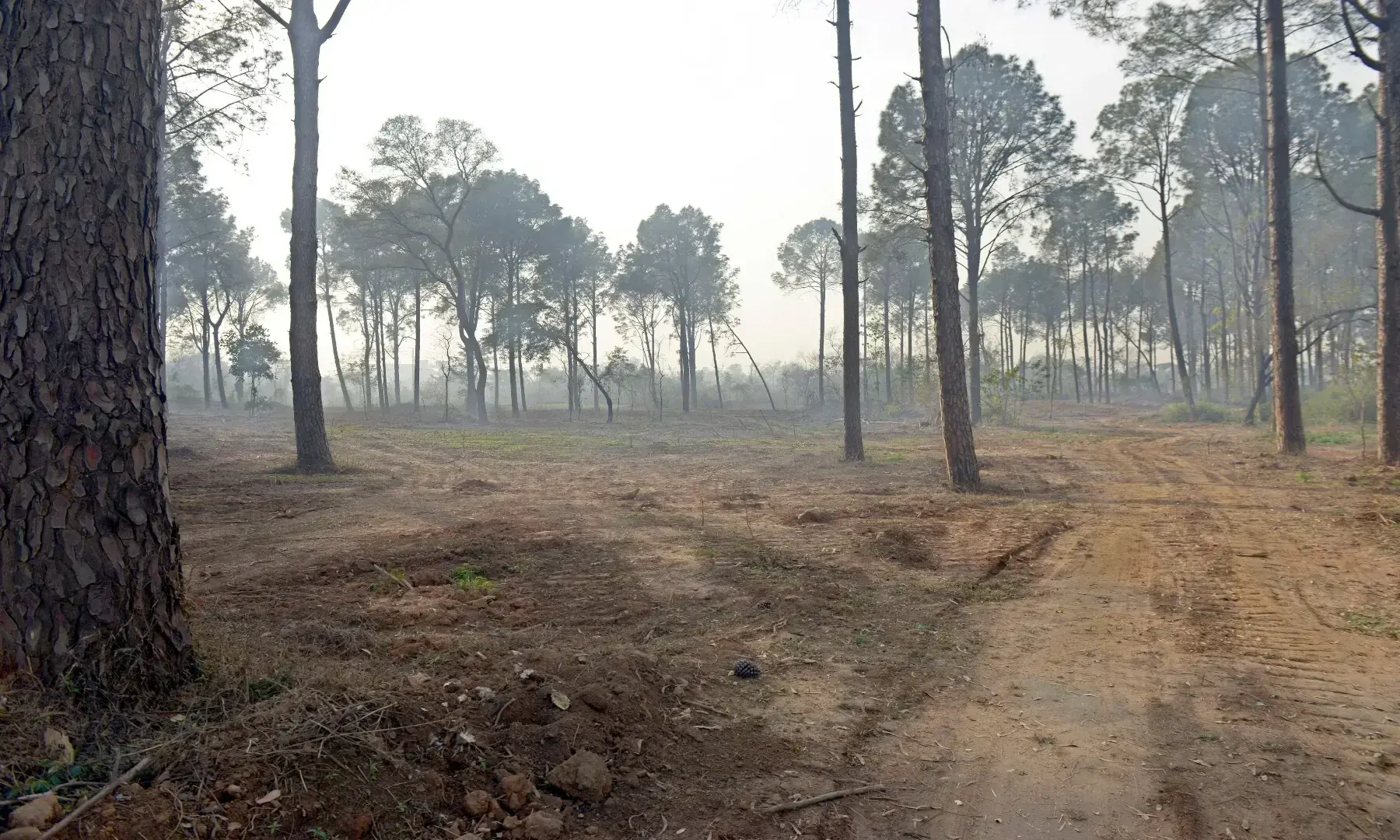

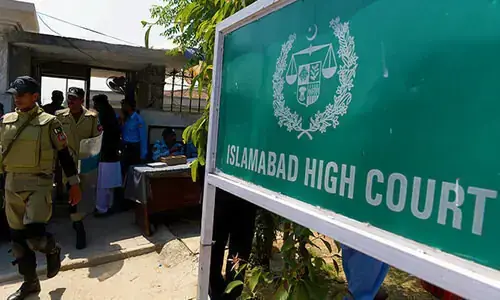
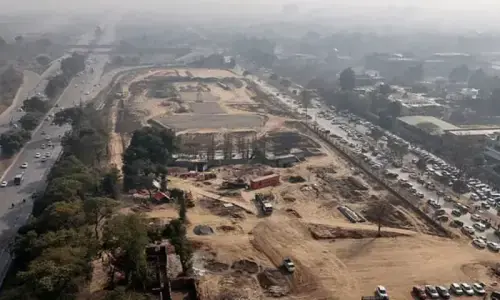
ISLAMABAD: The Islamabad High Court (IHC) has restrained the Capital Development Authority (CDA) from cutting trees along Ataturk Avenue, from Express Chowk to Aga Khan Road, while seeking responses from the civic agency and other parties.
Justice Khadim Hussain Soomro passed the order while hearing a petition filed by Ayesha Muzaffar challenging the ongoing tree cutting for a road expansion project.
Advocate Mudassar Latif Abbasi appeared on behalf of the petitioner and argued that the CDA was acting in clear violation of a prior court order, issued on January 15, 2026, in Writ Petition No. 153/2026, which restrained the authority from cutting trees in the federal capital.
The counsel contended that the authority had adopted an “unsustainable approach” to traffic management by resorting to cutting trees and widening roads.
“Opening roads by eliminating green cover is not a solution to traffic issues,” Advocate Abbasi argued, adding that the project involved the removal of more than 55 large trees and dozens of smaller ones.
He further pointed out the contradiction in government policy, noting that while an environmental levy was being imposed on petrol in the name of conservation, billions of rupees were simultaneously being spent on projects that harm the environment.
After hearing the arguments, Justice Soomro restrained the CDA from cutting any trees on the said stretch and issued notices to the respondents, directing them to submit their replies by next Tuesday.
The case stems from an earlier petition challenging large-scale deforestation in Islamabad, including in Shakarparian, where thousands of trees—particularly paper mulberry—have been removed in recent years, allegedly resulting in environmental degradation, biodiversity loss, and worsening air quality
According to the petition, approximately 29,000 paper mulberry trees were removed across the city in 2025, including around 8,700 in Shakarparian, ostensibly to address pollen-related concerns.
It is worth mentioning that environmental conservation organisation WWF-Pakistan, in a statement, had disputed Islamabad authorities’ stance that paper mulberry trees were removed due to a rise in pollen allergies, stating that the action was also linked to infrastructure development.