ISLAMABAD: Setting a new precedent, the Medical Tribunal has set aside the verdict of the erstwhile Pakistan Medical Commission (PMC) regarding alleged professional misconduct in the preparation of medico-legal post-mortem reports, declaring that permanent licence cancellation requires clear and compelling evidence of grave misconduct or moral turpitude.
It also suggested that regulators must look beyond punitive action and invest in capacity-building, clearer protocols and continuous professional development, particularly in forensic medicine.
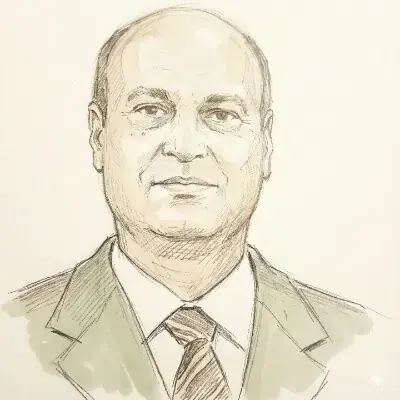
Member (Technical) of the tribunal Dr Minhajus Siraj elaborated that the ruling provides a much-needed course correction in medical regulation to distinguish between medical negligence and professional misconduct.
According to a judgment authored by its chairman, retired Justice Safdar Saleem Shahid, and available with Dawn, the Medical Tribunal has partially allowed an appeal against the decision of the Disciplinary Committee of the erstwhile PMC.
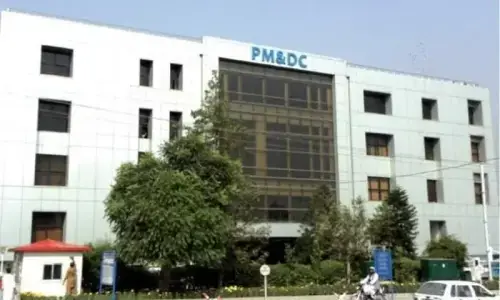
The case arose from disciplinary proceedings initiated against a medical officer over alleged professional misconduct in the preparation of medico-legal post-mortem reports relating to a death reported in Sukkur in September 2020. The Disciplinary Committee of PMC (now PMDC) had permanently cancelled the practitioner’s medical licence and imposed a fine of Rs1 million, citing inconsistencies and deficiencies in a series of post-mortem reports issued in the same case.
After a comprehensive review of the record, evidence and applicable legal principles, the Medical Tribunal concluded that the practitioner did exhibit professional negligence, particularly in documentation and forensic articulation, and in failing to determine the cause of death after the post-mortem.
However, no evidence of intentional concealment, fabrication or fraudulent conduct was established. The inconsistencies in the reports were attributable to technical and clerical deficiencies, not wilful misconduct. The disciplinary findings were partially sustainable, but the penalty imposed was excessively harsh and legally disproportionate.
In a detailed legal analysis, the tribunal emphasised the doctrine of proportionality, stating that disciplinary actions affecting professional rights must meet this test. Extreme penalties such as permanent licence cancellation require clear and compelling evidence of grave misconduct or moral turpitude.
The judgment relied on established precedents of the Supreme Court of Pakistan, reaffirming that administrative decisions must be fair, evidence-based and proportionate.
While the findings of professional negligence by the Disciplinary Committee of PMDC (erstwhile PMC) have been upheld, the Medical Tribunal issued operative directions. The fine of Rs1,000,000 will remain intact, while the penalty of permanent cancellation of licence has been set aside.
In its place, the practitioner’s licence has been suspended for a period of five years, and its restoration will be conditional upon completion of certified medico-legal and forensic training, along with submission of proof to the PMDC before permission to practise again.
According to a medical professional, “the ruling is regarded as a landmark in medical jurisprudence in Pakistan, as it clarifies the legal threshold between negligence and misconduct. It reinforces fairness in disciplinary proceedings, protects medical professionals from disproportionate punitive actions, and strengthens the integrity and accountability of medico-legal practices.”
Dr Minhajus Siraj told Dawn, “By distinguishing between negligence and intentional misconduct, the judgment draws a necessary line that regulatory bodies must heed. If every serious error is treated as grounds for professional extinction, the system may inadvertently discourage transparency and honest correction.”
“The tribunal’s reliance on the doctrine of proportionality is therefore both timely and necessary. A five-year suspension, coupled with mandatory forensic training, signals that negligence will carry consequences. There is, however, a broader institutional lesson here.”
Regulators must therefore look beyond punitive action and invest in capacity-building, clearer protocols and continuous professional development, particularly in forensic medicine, Dr Siraj suggested.
Published in Dawn, April 6th, 2026