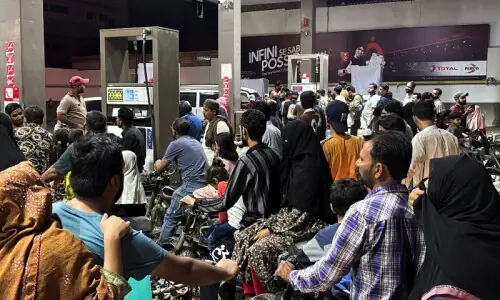
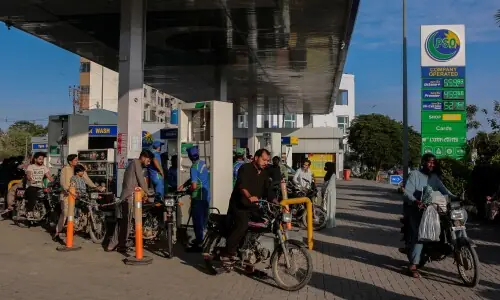
Petrol price reduces to Rs378 per litre as govt cuts levy by Rs80
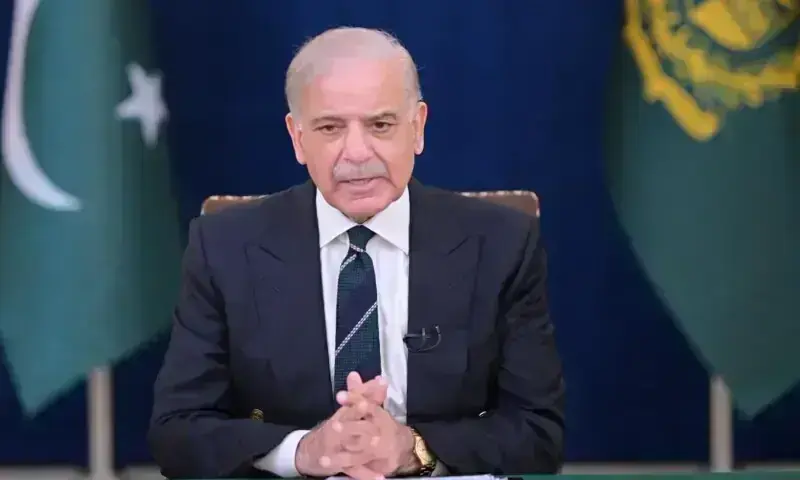
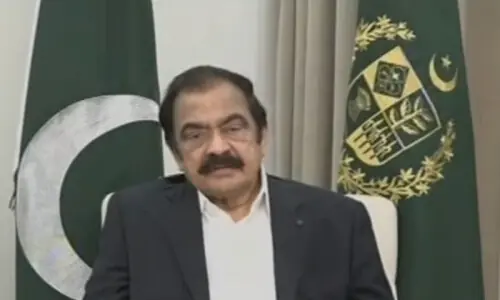
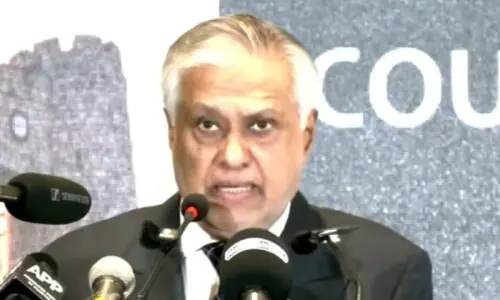
Prime Minister Shehbaz Sharif announced on Friday that the government was reducing the petrol levy by Rs80 per litre, after which the commodity would be available to the end consumer for Rs378 per litre.
He said the new price would take effect at 12am on Saturday.
The premier said this in a televised address to the nation a day after the government announced an unprecedented increase of 43 per cent and 55pc in the prices of petrol and high-speed diesel (HSD), respectively.
Petroleum levy rates were adjusted to limit the increase in diesel prices — which stand at RsRs520.35 — and its impact on transportation and freight costs. The levy on petrol was increased to Rs160 per litre from Rs105, while it was reduced to zero on diesel from Rs55, sources had told Dawn.
Consequently, the petrol price had increased to Rs458 per litre.
The premier said after the reduction in levy, the petrol price would now reduce to Rs378 per litre and would remain unchanged for at least one month.
The new price would be effective across the country, he added.
He assured the federal and all four provincial governments would continue to work toward easing the difficulties being faced by the people at this “critical time”.
He also said that previously it was decided that federal cabinet members would not receive their salaries for two months as part of the austerity measures taken by the government to deal with the fuel crunch. But now, the premier said, they would not get their salaries for six months.
PM Shehbaz said that he had, however, not been able to consult the members of his cabinet on this decision due to “haste”.
These developments have taken place amid a global fuel crisis resulting from the US-Israeli war on Iran, which began on February 28.
After the war began, the government initially hiked petrol and diesel prices by Rs55 per litre on March 6 and announced unprecedented austerity measures on March 9 in the first steps to deal with the situation.
On March 20, the PM said he had rejected an increase of Rs76 per litre in the price of petrol Rs177 per litre in that of HSD. The premier had also said that he had rejected a similar recommendation earlier as well, following a hike in oil prices in the international market on March 13.
A week later, he again announced that he had rejected a third recommendation for an increase of Rs95 per litre in the price of petrol and Rs203 per litre in that of HSD since the war began.
However, the government announced an unprecedented increase in the prices of the two products on Thursday, citing the rising oil prices in the international market.
PM details challenges
The PM had begun his address by detailing the impacts of the ongoing Middle East conflict. He said he was once again addressing the nation at a challenging time, with a war going on in the Middle East. And due to that war, oil prices had skyrocketed across the region, he said, adding that Pakistan had also been feeling the impact of the soaring prices.
In these circumstances, he continued, the poor, the common man, and farmers were facing difficulties.
He said he had tried his best to utilise the “national resources, which are limited”, to reduce those difficulties and for the public welfare.
Reiterating that oil prices had soared in international markets, he said, adding that even big economies were struggling in the face of rising inflation. “Certainly, Pakistan is also badly affected by it,” he said.
He added that he “did not find it appropriate to pass on the burden of the increase in oil prices to the people over the past three weeks” as he was aware of the difficulties of the common man.
During the past three weeks, the government had spent Rs129 billion from national resources to cushion the impact of the rising oil prices, he said.
The premier also said that he and Deputy Prime Minister and Foreign Minister Ishaq Dar, as well as Chief of the Defence Forces and Chief of Army Staff Field Marshal Asim Munir, had been making efforts for de-escalation in the Middle East and would continue to do so.
He said the decisions announced on Thursday were taken after consultation with all provinces and other relevant parties, as well as leaders from Azad Jammu and Kashmir and Gilgit-Baltistan.
PM Shehbaz then detailed decisions taken as part of the government’s targeted subsidy initiative, adding that they would also apply to AJK and GB.