Waziristan residents resent prolonged mobile, internet disruptions
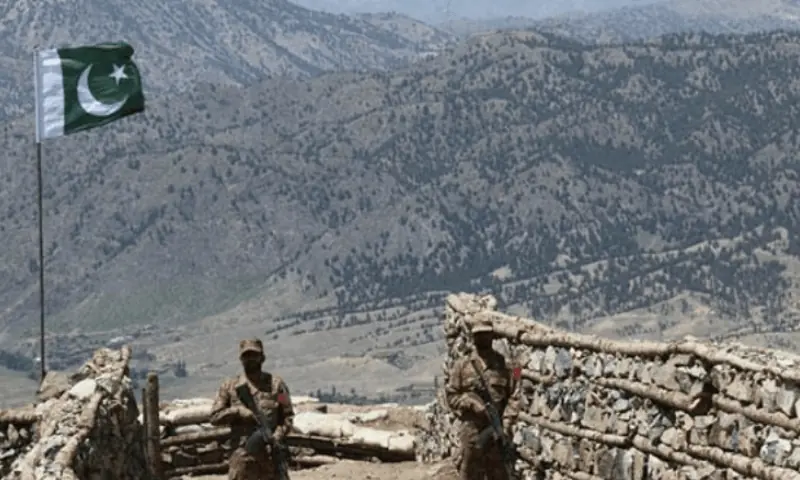
SOUTH WAZIRISTAN LOWER: Mobile network disruptions and prolonged internet outages across several areas of Lower South Waziristan severely affected daily life, leaving residents grappling with mounting difficulties over the past two months.
Users of major telecom operators have reported persistent signal issues and frequent internet shutdowns, disrupting communication and access to essential online services. The situation has impacted not only ordinary citizens but also business owners, traders, students and journalists, who rely heavily on digital connectivity for their daily activities.
Local members of the Wazir tribe said on Saturday that mobile signals in parts of Wana and Birmal tehsils have remained either extremely weak or completely unavailable for weeks. Internet services, they added, have been equally unreliable, often remaining suspended for extended periods.
The most affected areas included Spin, Tanai, Azam Warsak, Ghowa Khowah, Dabkot, Sholam and Raghzai, where residents are struggling to make phone calls, send messages or access online platforms. Many users have described the situation as unprecedented, particularly in an era where connectivity is considered a basic necessity.
Residents say the ongoing disruption has significantly hampered routine life. Students, in particular, have voiced concern over their inability to attend online classes, complete assignments or access academic resources, which they fear may adversely affect their educational progress.
Say educational, business activities worst hit
Similarly, members of the business community and trade associations have reported financial losses due to the breakdown in communication channels. Online transactions, digital banking services and coordination with clients and suppliers have all been affected, further compounding their challenges.
Journalists working in the region have also expressed serious concerns, stating that limited access to communication tools has hindered timely reporting and information gathering. They noted that in remote tribal areas, where access to facilities is already limited, such disruptions further isolate communities and obstruct the flow of information.
Residents of the affected areas have urged the federal government and the Pakistan Telecommunication Authority (PTA) to take immediate notice of the situation and ensure the restoration of mobile and internet services on an emergency basis.
They warned that if the issue was not addressed promptly, the difficulties faced by the public will continue to escalate having long-term implications for the region’s economy and education sector.
Despite repeated attempts to seek clarification, relevant authorities have yet to issue an official statement explaining the reasons behind the prolonged service disruptions. The absence of a clear response has added to public frustration and uncertainty, with residents questioning both the cause of the outage and the timeline for its resolution.
Local inhabitants have once again appealed to senior officials to prioritise the issue and take swift corrective measures. They emphasised that restoring reliable communication services is essential not only for easing public hardship but also for reconnecting the region with the rest of the country.
Published in Dawn, March 29th, 2026