WTO conference opens amid global trade tensions
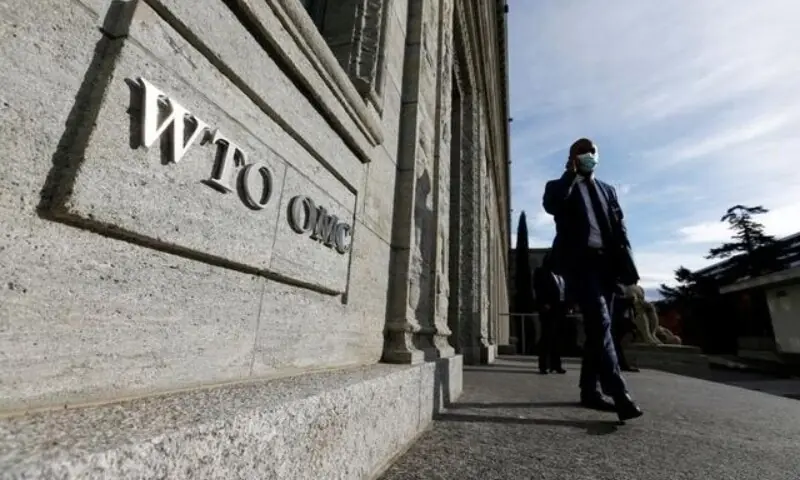
ISLAMABAD: The 14th Ministerial Conference of the World Trade Organisation (WTO) has kicked off at a time when the multilateral organisation is facing an ‘existential crisis’ due to rising unilateralism and an increase in tariff and non-tariff barriers imposed by various countries.
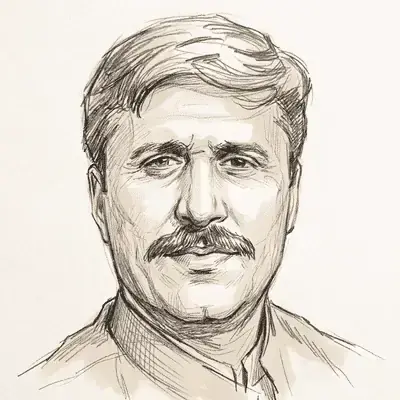
A high-level official delegation representing Pakistan, led by Minister of State for Finance and Railways Bilal Azhar Kayani has reached Yaoundé, Cameroon, to participate in the ministerial conference (March 26-29).
Ambassador and Permanent Representative of Pakistan to the WTO, Ali Sarfraz, was also part of the delegation along with his team from Pakistan’s WTO Mission in Geneva.
Cameroon’s Minister of Trade Luc Magloire Mbarga Atangana chaired the conference. Ministers from around the world discussed the challenges and opportunities facing the multilateral trading system, and to take action on WTO’s future work.
Ministers gather as rising protectionism challenges multilateralism
The ministerial was taking place in a highly volatile time when the WTO is facing, what many trade experts term as, ‘existential crisis’ due to increasing unilateralism, rising number of tariff and non-tariff barriers by various countries in the world and increasing preference for national priorities over a rule-based international order.
Meanwhile, the chair of the conference has selected Bilal Azhar Kayani as Minister-Facilitator for WTO’s Committee on Agriculture — Special Session (CoA-SS), which has been tasked to chart the way forward with regard to negotiations on agriculture related issues.
Talks on agriculture trade have remained stalled for many years now due to inflexible positions taken by different countries due to their internal policy considerations regarding farmers’ subsistence and food insecurity.
Mr Kayani will underscore the importance of foundational issues, including the principles of Most Favoured Nation treatment, National Treatment, and the preservation of Special and Differential Treatment for developing countries.
Pakistan remains firmly committed to the development dimension of the WTO and the need to preserve a level playing field for all members, particularly developing and least-developed countries.
Published in Dawn, March 27th, 2026