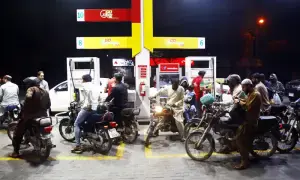
The United Nations Food and Agriculture Organisation (FAO) warns in a report that prolonged disruption to trade through the Strait of Hormuz amid the Middle East war could create cascading impacts across energy markets, fertiliser supply chains and global agrifood systems.

The FAO report, titled ‘Global Agrifood Implications of the 2026 Conflict in the Middle East’, adds that this, in turn, will raise production costs, tighten agricultural supply and increase food prices worldwide.

While global food markets remain more stable than during previous crises, the current shock underscores the vulnerability of interconnected energy and agrifood systems and the importance of coordinated international action to stabilise markets, maintain open trade routes, and protect vulnerable populations from rising food insecurity, the FAO says in its report.

It calls for a coordinated policy response to mitigate these risks and build resilience.

Opinion

Editorial

Writing on the wall
27 Jul, 2026

Writing on the wall

EVERY few months, another set of figures reminds Pakistan of a painful reality. Sahil’s latest Six Months Cruel...
Still unprepared
27 Jul, 2026

Still unprepared

EVEN as Pakistan counts around 100 deaths since the onset of the monsoon season on June 26, it is bracing for ...
Delayed devolution
27 Jul, 2026

Delayed devolution

THE debate over Islamabad’s reluctance to fully let go of devolved subjects has been running since 2010. But it ...
Quid pro quo
Updated 26 Jul, 2026

Quid pro quo

Accepting Israel would mean legitimising its violence against the Palestinians, as well as its neighbouring Arab states and Iran.
AI in government
26 Jul, 2026

AI in government

THE Prime Minister’s Office has announced the introduction of an AI-powered digital system and directed ministries...
Cautious optimism
26 Jul, 2026

Cautious optimism

THE latest polio surveillance figures offer some encouraging news regarding the difficult fight against polio. The...